
Opening branch overview
Building the branch home surface
Loading branch highlights, featured unit context, and gallery moments.
Overview
Members
Units
Building the branch home surface
Loading branch highlights, featured unit context, and gallery moments.
Building the branch units surface
Loading unit filters, rankings, and the branch unit grid.

U.S. Air Force•13 members
Relive and share the memories of your service-time with your brothers and sisters in arms today. VetFriends.com can help you reconnect.
Did you proudly serve in the Norton AFB?
Are you looking for someone who is or was in the Norton AFB?
Do you have Norton AFB photos you'd like to share?
Then join a community with your brothers and sisters of the Norton AFB.
Norton Air Force Base (AFB), located in San Bernardino, California, was established in 1942 as San Bernardino Army Air Field, serving as a vital maintenance and supply facility during World War II. Renamed in 1950 to honor Captain Leland F. Norton, a local war hero killed in action, the base played a key role throughout the Cold War, supporting Air Force Logistics Command and hosting transport units such as the 63rd Military Airlift Wing. Norton AFB was instrumental in airlift missions, space program support, and humanitarian operations, including Southeast Asia evacuations. The base was closed in 1994 as part of the Base Realignment and Closure (BRAC) program, with its legacy continuing through civilian use and community redevelopment.
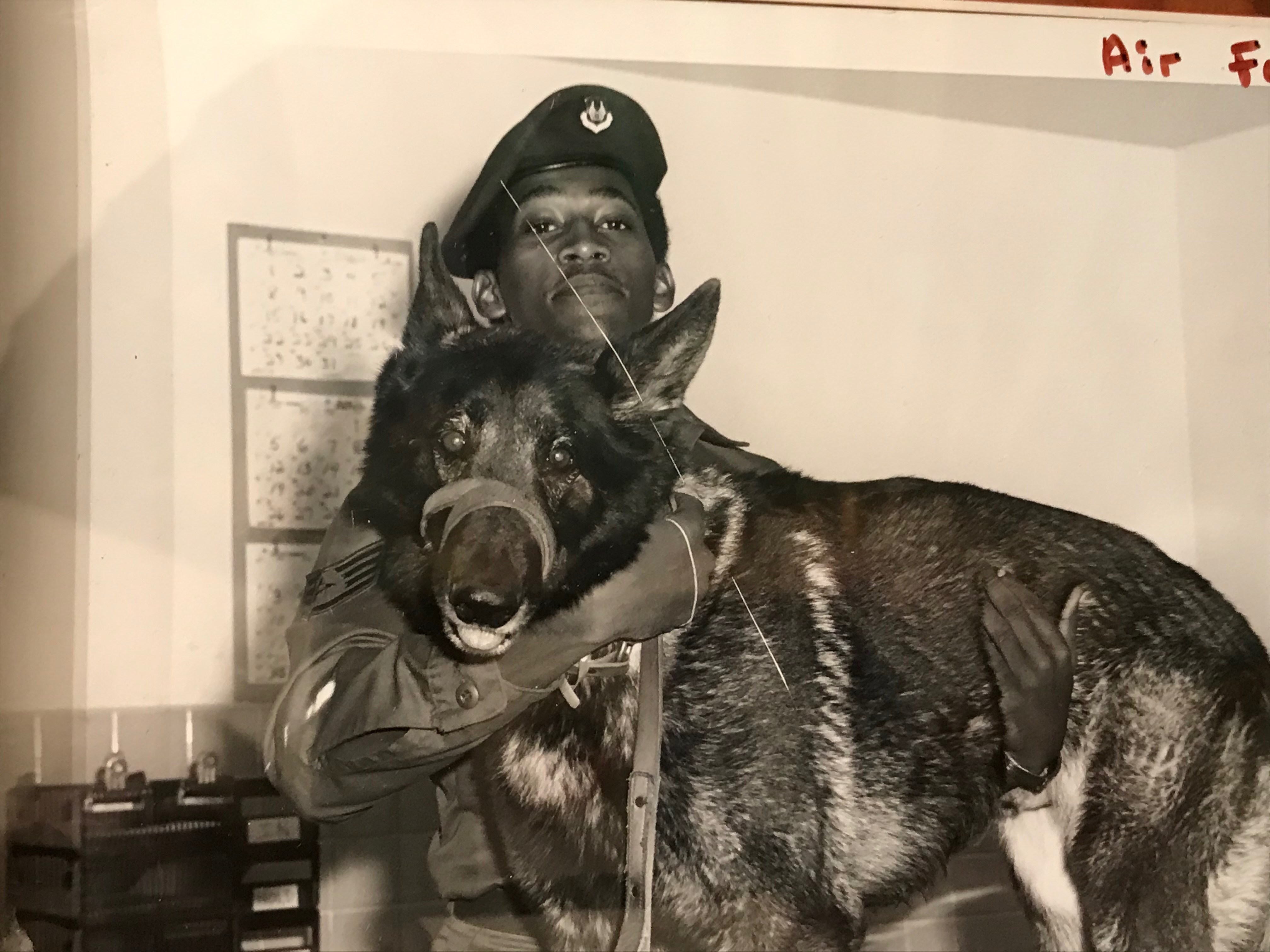
U.S. Air Force
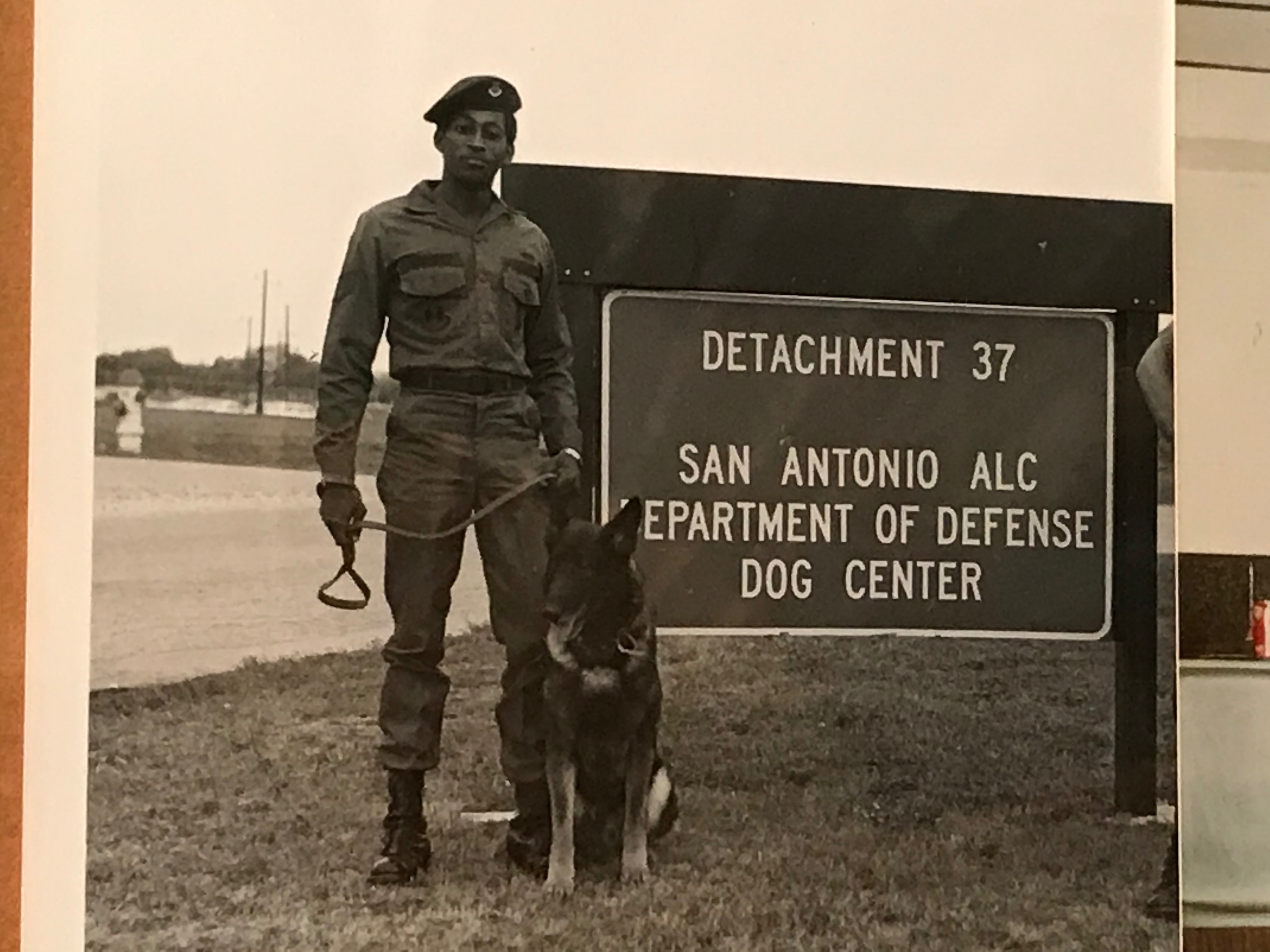
U.S. Air Force
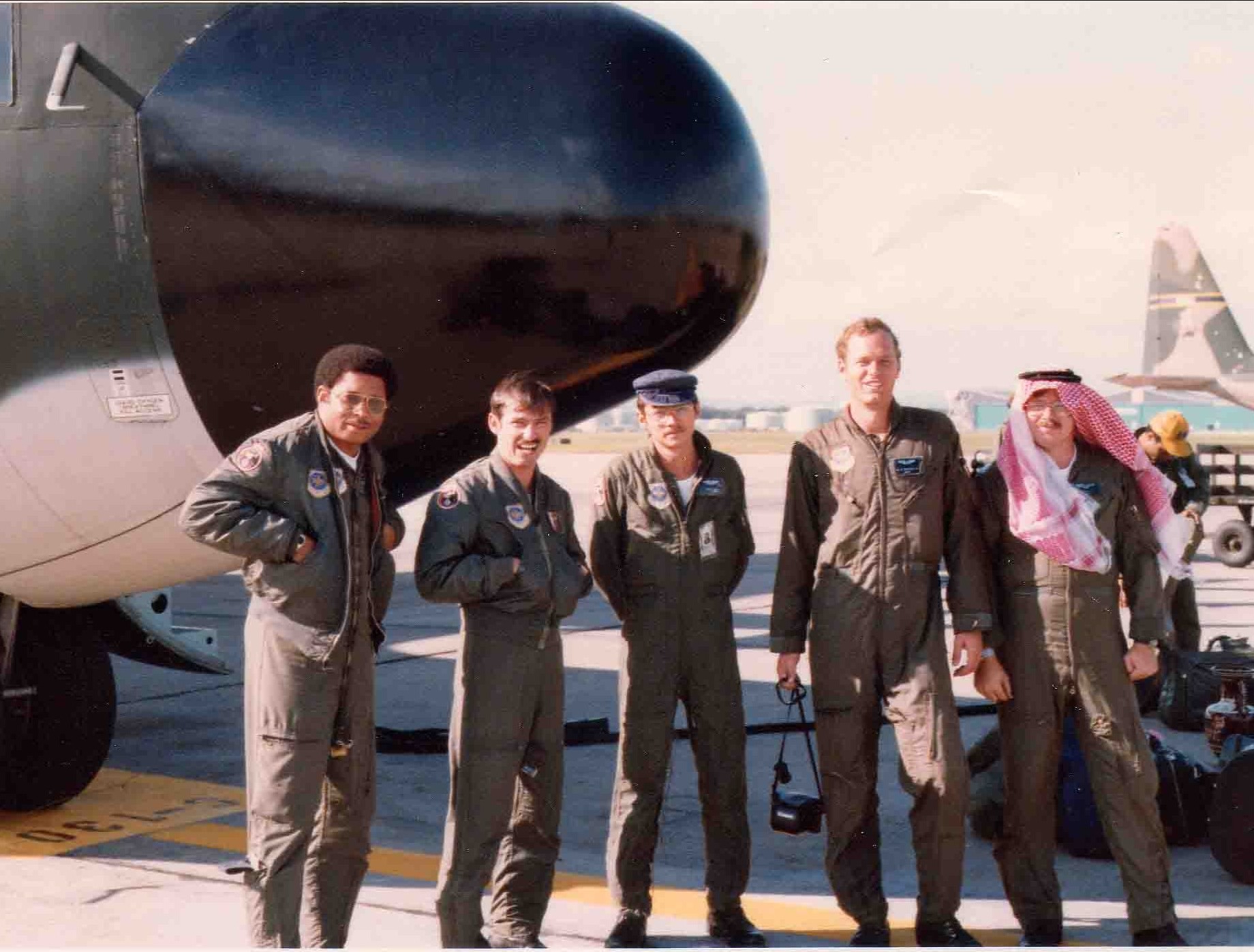
773 TAS • U.S. Air Force • 1979
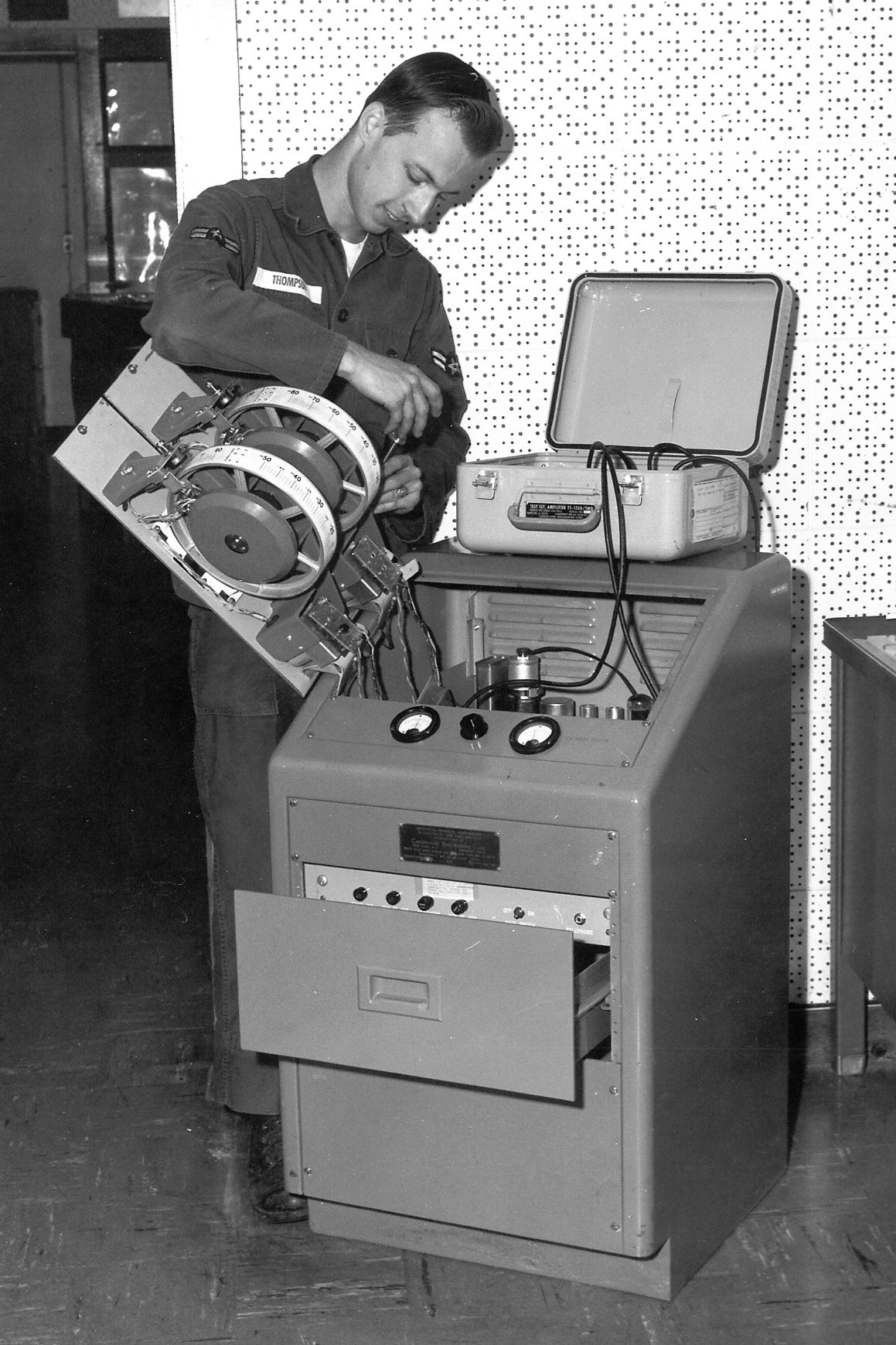
Air Weather Service • U.S. Air Force • 1962