
Opening branch overview
Building the branch home surface
Loading branch highlights, featured unit context, and gallery moments.
Overview
Members
Units
Building the branch home surface
Loading branch highlights, featured unit context, and gallery moments.
Building the branch units surface
Loading unit filters, rankings, and the branch unit grid.

1 members•1 unit
Relive and share the memories of your service-time with your brothers and sisters in arms today. VetFriends.com can help you reconnect.
Did you proudly serve in the Non-Morse intercept Operator?
Are you looking for someone who is or was in the Non-Morse intercept Operator?
Do you have Non-Morse intercept Operator photos you'd like to share?
Then join a community with your brothers and sisters of the Non-Morse intercept Operator.
Branch
U.S. Air Force
Members
1
The Non-Morse Intercept Operator emerged as a specialized role during the Cold War, as militaries sought to monitor and exploit enemy communications that did not utilize standard Morse code transmissions. These operators were tasked with identifying, intercepting, and analyzing complex or unconventional signal formats, including frequency-shift keying and other digital modes used by adversaries for secure communications. Non-Morse Intercept Operators played a crucial part in signals intelligence (SIGINT) operations, providing valuable information on enemy movements, intentions, and technological capabilities. Their expertise contributed significantly to national security efforts and the broader intelligence picture throughout the late 20th century and into the modern era of electronic warfare.
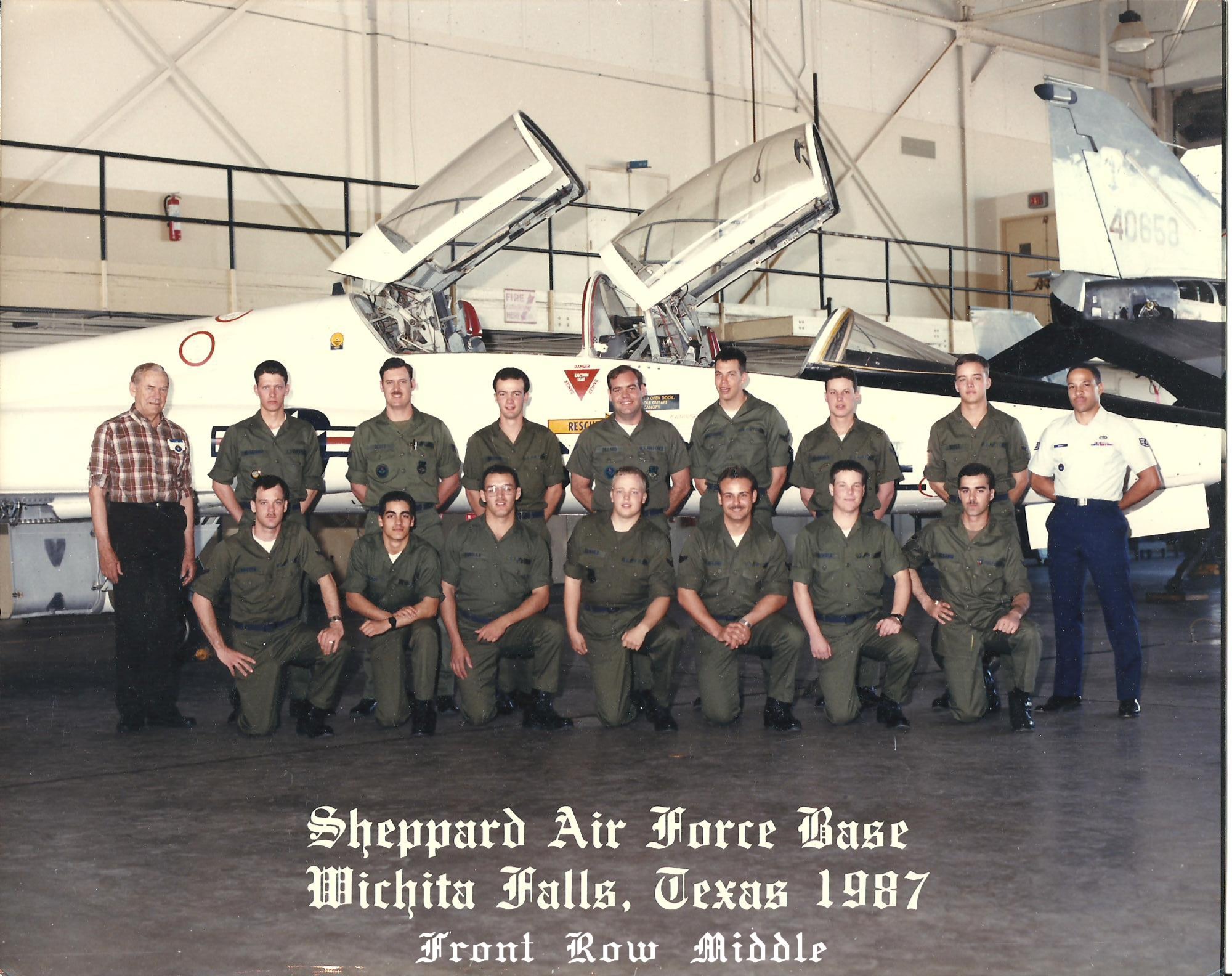
U.S. Air Force • 1987
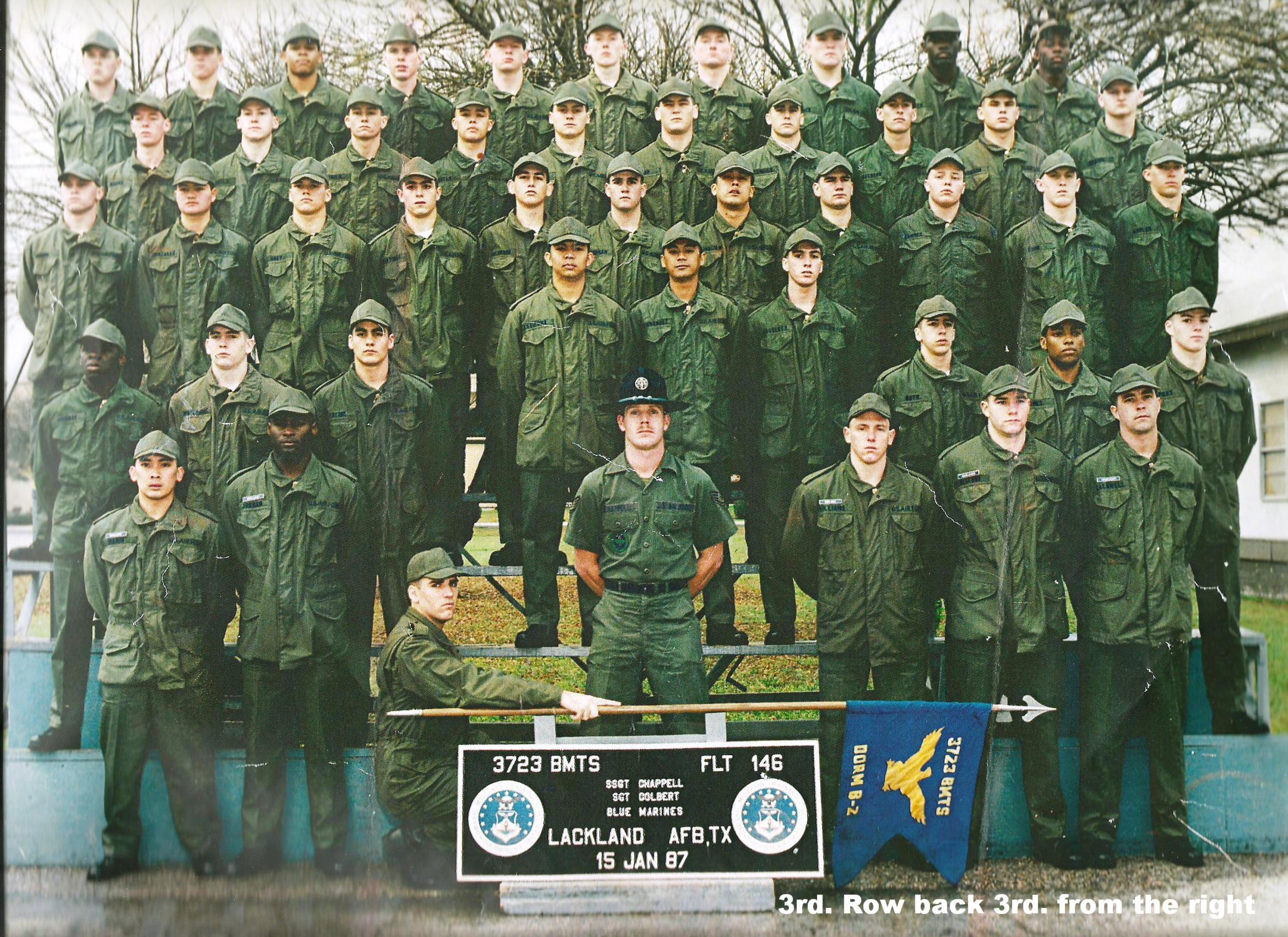
U.S. Air Force • 1987
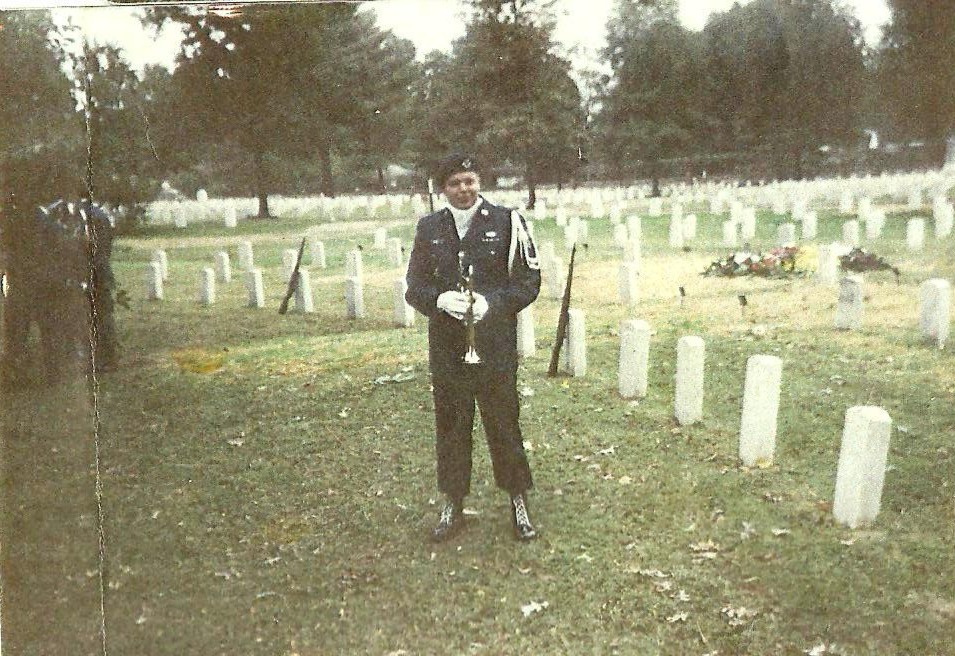
97th. Bom wing • U.S. Air Force • 1988

323rd TRS • U.S. Air Force • 2001