
Opening branch overview
Building the branch home surface
Loading branch highlights, featured unit context, and gallery moments.
Overview
Members
Units
Building the branch home surface
Loading branch highlights, featured unit context, and gallery moments.
Building the branch units surface
Loading unit filters, rankings, and the branch unit grid.

16 members•1 unit
Relive and share the memories of your service-time with your brothers and sisters in arms today. VetFriends.com can help you reconnect.
Did you proudly serve in the Naha Air Base Okinawa?
Are you looking for someone who is or was in the Naha Air Base Okinawa?
Do you have Naha Air Base Okinawa photos you'd like to share?
Then join a community with your brothers and sisters of the Naha Air Base Okinawa.
Branch
U.S. Air Force
Members
16
Naha Air Base, located in Okinawa, Japan, has a rich military history dating back to World War II, when it was initially constructed and utilized by the Imperial Japanese Army Air Service. Following the Battle of Okinawa in 1945, the base was seized and expanded by United States forces, becoming an important hub for the U.S. Air Force during the postwar occupation and throughout the Cold War. In 1972, with the reversion of Okinawa to Japanese sovereignty, control of Naha Air Base was transferred to the Japan Air Self-Defense Force (JASDF). Today, it serves as a key base for the JASDF, housing the 9th Air Wing and playing a vital role in the air defense of Japan’s southwestern region.

U.S. Air Force
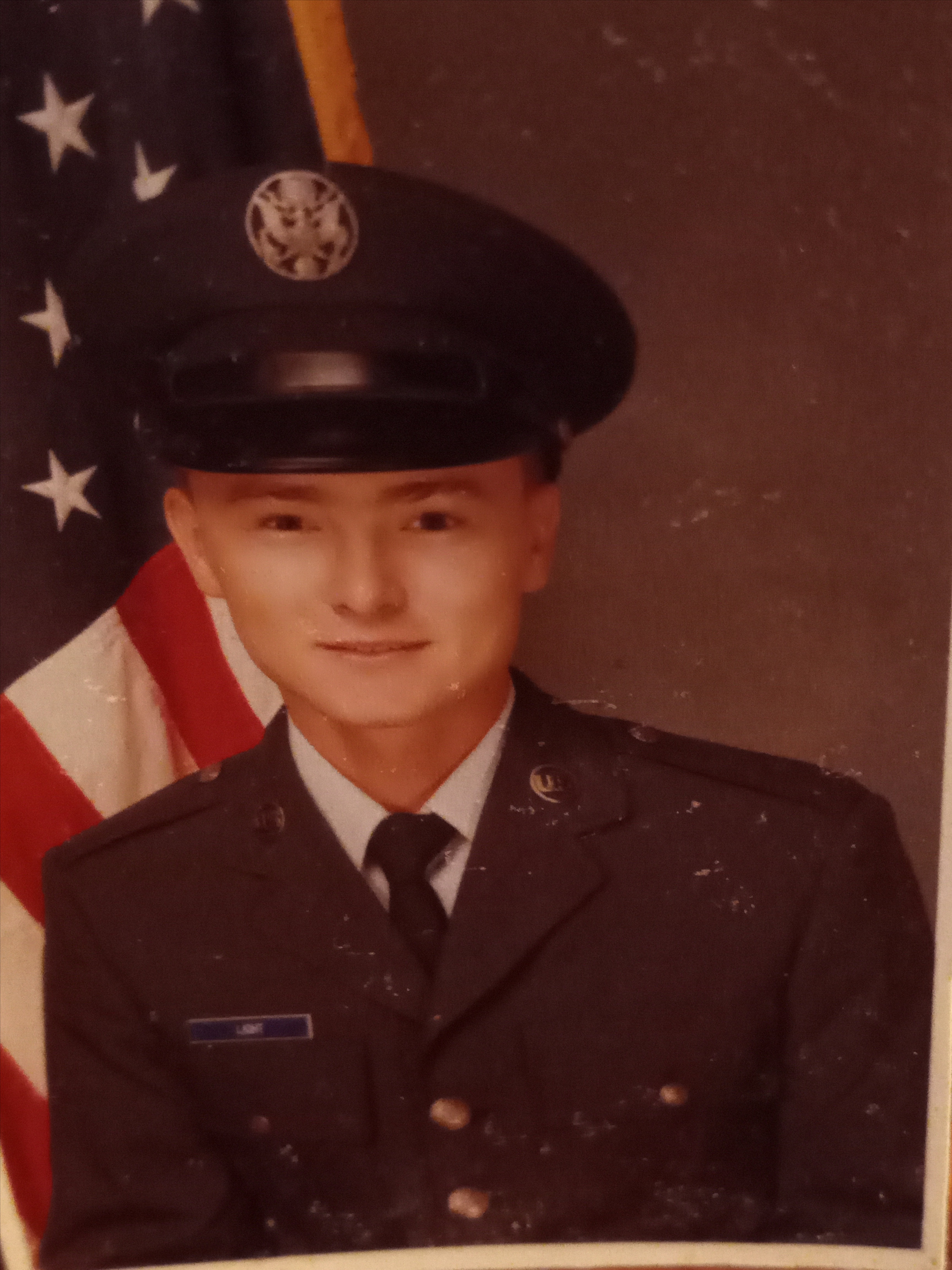
U.S. Air Force
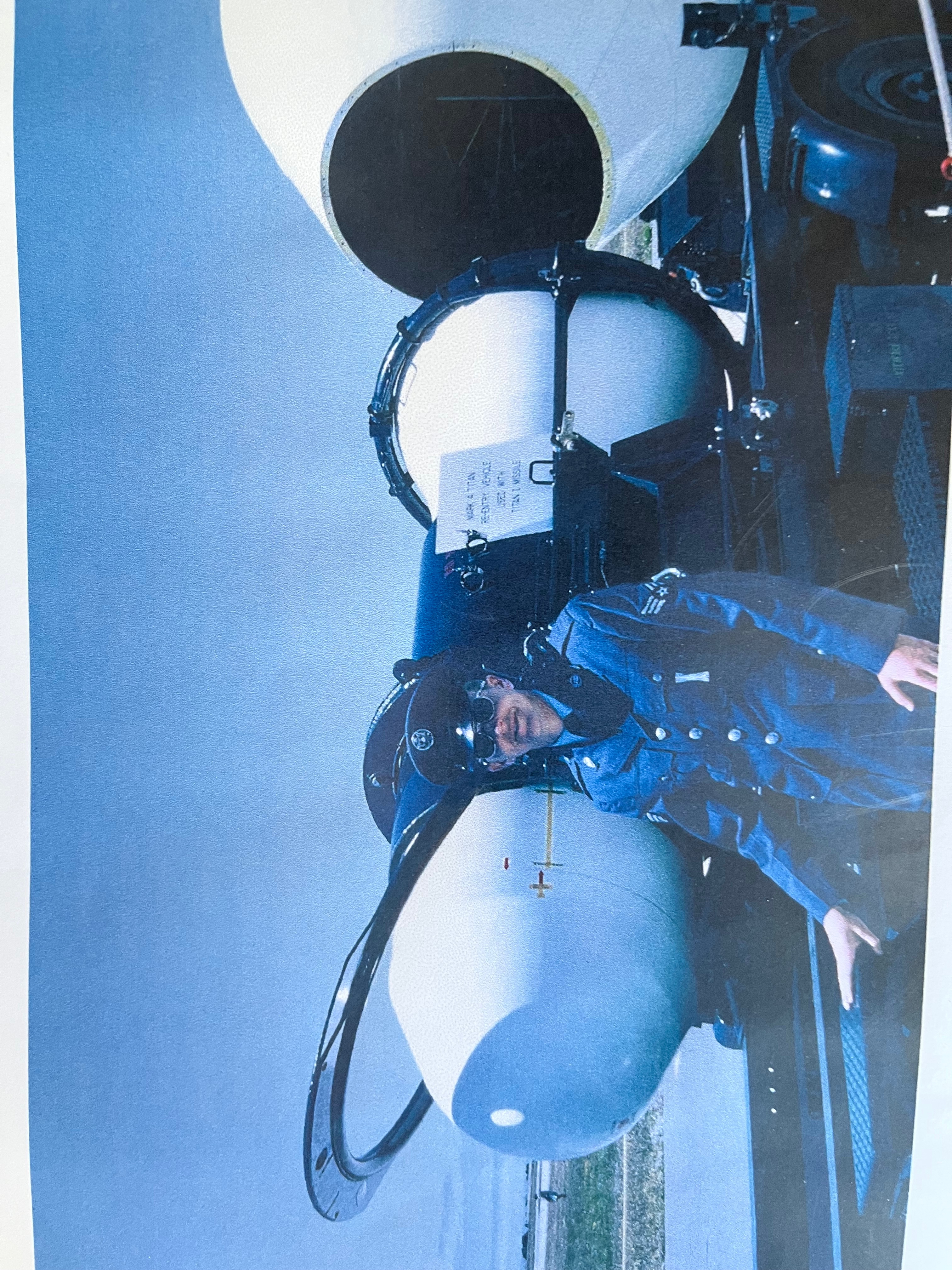
51st MMS (SAC) • U.S. Air Force • 1963
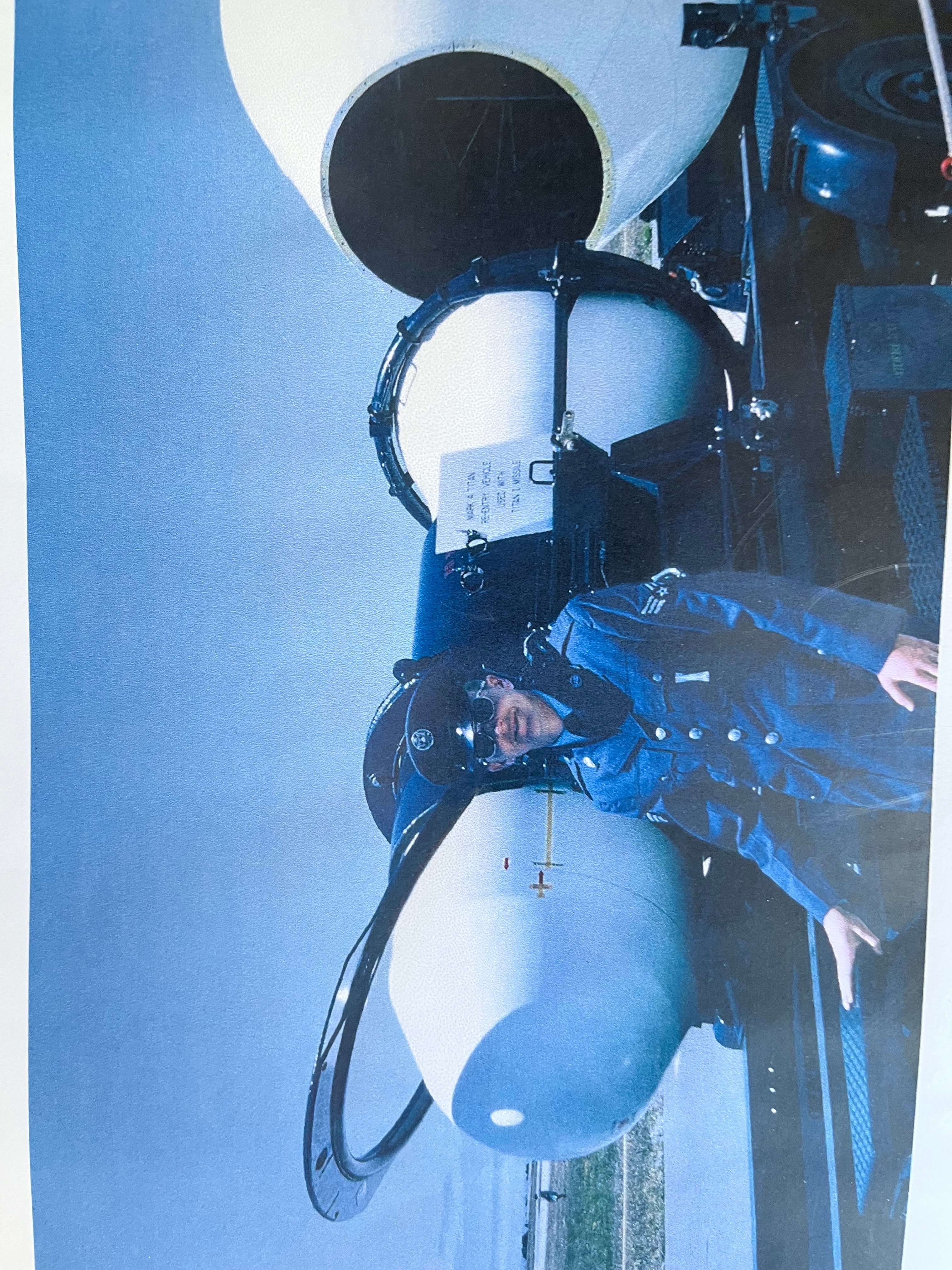
U.S. Air Force