
Opening branch overview
Building the branch home surface
Loading branch highlights, featured unit context, and gallery moments.
Overview
Members
Units
Building the branch home surface
Loading branch highlights, featured unit context, and gallery moments.
Building the branch units surface
Loading unit filters, rankings, and the branch unit grid.

52 members•1 unit
Relive and share the memories of your service-time with your brothers and sisters in arms today. VetFriends.com can help you reconnect.
Did you proudly serve in the NAF ATSUGI?
Are you looking for someone who is or was in the NAF ATSUGI?
Do you have NAF ATSUGI photos you'd like to share?
Then join a community with your brothers and sisters of the NAF ATSUGI.
Branch
U.S. Air Force
Members
52
Naval Air Facility (NAF) Atsugi, located in Kanagawa Prefecture, Japan, was established in 1950 as a key logistics and support base for U.S. Naval aviation in the Asia-Pacific region. Originally constructed by the Imperial Japanese Navy in the 1930s, the airfield was taken over by U.S. forces after World War II. Throughout the Korean War, Vietnam War, and the Cold War, NAF Atsugi played a critical role in supporting combat operations, maritime patrols, and intelligence missions. Today, it remains an essential hub for U.S. Navy carrier air wing detachments and joint U.S.-Japan operations, contributing to regional security and readiness.

U.S. Air Force
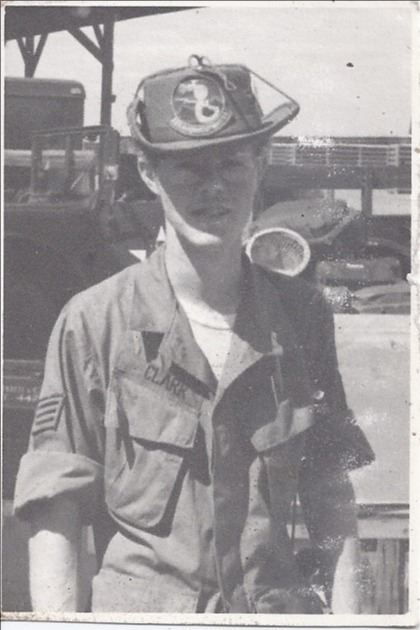
388 AMS • U.S. Air Force • 1972

831st Services Squadron • U.S. Air Force • 2026

U.S. Air Force