
Opening branch overview
Building the branch home surface
Loading branch highlights, featured unit context, and gallery moments.
Overview
Members
Units
Building the branch home surface
Loading branch highlights, featured unit context, and gallery moments.
Building the branch units surface
Loading unit filters, rankings, and the branch unit grid.

U.S. Air Force•4 members
Relive and share the memories of your service-time with your brothers and sisters in arms today. VetFriends.com can help you reconnect.
Did you proudly serve in the MUNITIONS LOADING?
Are you looking for someone who is or was in the MUNITIONS LOADING?
Do you have MUNITIONS LOADING photos you'd like to share?
Then join a community with your brothers and sisters of the MUNITIONS LOADING.
MUNITIONS LOADING units have played a critical role in military operations since the advent of modern warfare, ensuring the rapid and safe transfer of ammunition and explosives to combat platforms. Originating in the early 20th century with the need for specialized crews aboard naval vessels and airfields, these units evolved alongside advancements in weapons technology and logistics. During World War II, munitions loading teams became indispensable, supporting large-scale bombing campaigns and sustained ground offensives by maintaining a steady flow of ordnance. Today, MUNITIONS LOADING units operate with advanced safety protocols and mechanized equipment, continuing to provide essential support for air, land, and sea forces across the globe.
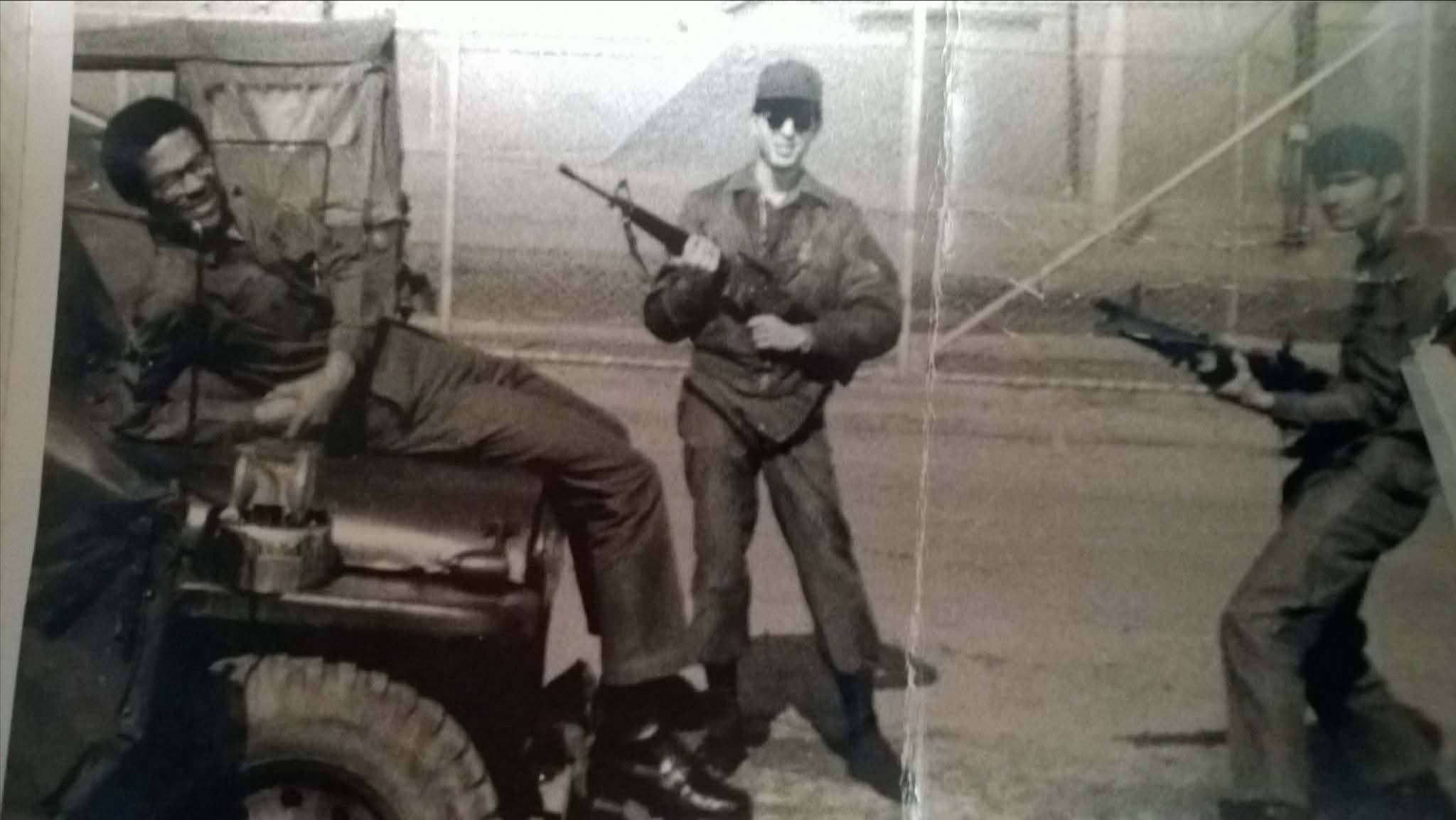
U.S. Air Force
U.S. Air Force
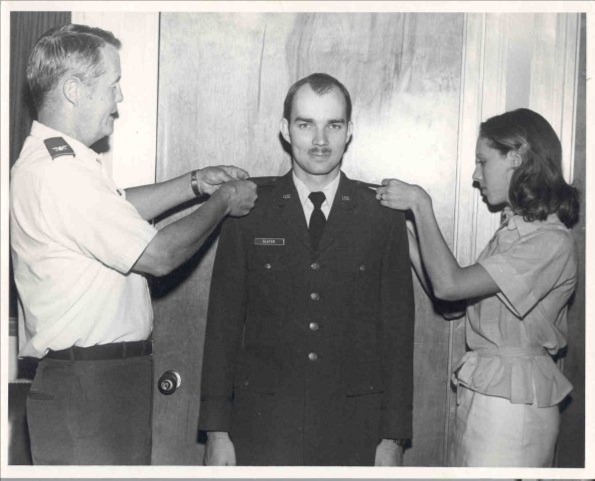
3900 CPUSS • U.S. Air Force • 1979

U.S. Air Force