
Opening branch overview
Building the branch home surface
Loading branch highlights, featured unit context, and gallery moments.
Overview
Members
Units
Building the branch home surface
Loading branch highlights, featured unit context, and gallery moments.
Building the branch units surface
Loading unit filters, rankings, and the branch unit grid.

U.S. Air Force•2 members
Relive and share the memories of your service-time with your brothers and sisters in arms today. VetFriends.com can help you reconnect.
Did you proudly serve in the Multinational Forces -Iraq DOMEX?
Are you looking for someone who is or was in the Multinational Forces -Iraq DOMEX?
Do you have Multinational Forces -Iraq DOMEX photos you'd like to share?
Then join a community with your brothers and sisters of the Multinational Forces -Iraq DOMEX.
The Multinational Forces-Iraq (MNF-I) Document and Media Exploitation (DOMEX) teams were specialized intelligence units active during the Iraq War, particularly from 2003 to 2011. Tasked with the collection, analysis, and exploitation of captured enemy documents, electronic media, and other materials, DOMEX teams provided critical information to coalition commanders and intelligence agencies. Operating alongside U.S. and coalition military units, DOMEX analysts uncovered insurgent networks, disrupted terrorist operations, and contributed to the targeting of high-value individuals. Their efforts played a key role in counterinsurgency operations and the broader intelligence mission of MNF-I throughout the conflict.
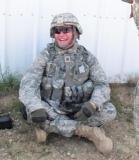
U.S. Air Force

U.S. Air Force