
Opening branch overview
Building the branch home surface
Loading branch highlights, featured unit context, and gallery moments.
Overview
Members
Units
Building the branch home surface
Loading branch highlights, featured unit context, and gallery moments.
Building the branch units surface
Loading unit filters, rankings, and the branch unit grid.

111 members•1 unit
Relive and share the memories of your service-time with your brothers and sisters in arms today. VetFriends.com can help you reconnect.
Did you proudly serve in the Military Airlift Command?
Are you looking for someone who is or was in the Military Airlift Command?
Do you have Military Airlift Command photos you'd like to share?
Then join a community with your brothers and sisters of the Military Airlift Command.
Branch
U.S. Air Force
Members
111
The Military Airlift Command (MAC) was established by the United States Air Force on January 1, 1966, as a successor to the Military Air Transport Service. Its primary mission was to provide global airlift capabilities, transporting troops, equipment, and supplies during peacetime and conflicts, including the Vietnam War and Operation Desert Storm. MAC operated iconic aircraft such as the C-141 Starlifter, C-5 Galaxy, and C-130 Hercules, playing a vital role in humanitarian and military operations worldwide. In 1992, MAC was inactivated and its responsibilities were assumed by the newly formed Air Mobility Command, reflecting an expanded mission that included both airlift and aerial refueling.

U.S. Air Force • 1967
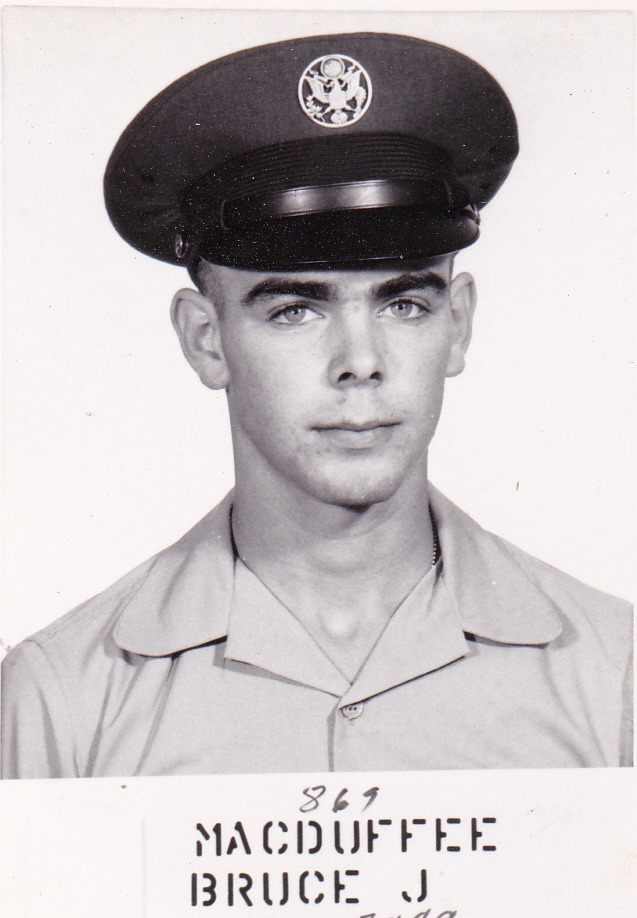
62nd Military Airlift Command • U.S. Air Force • 1968
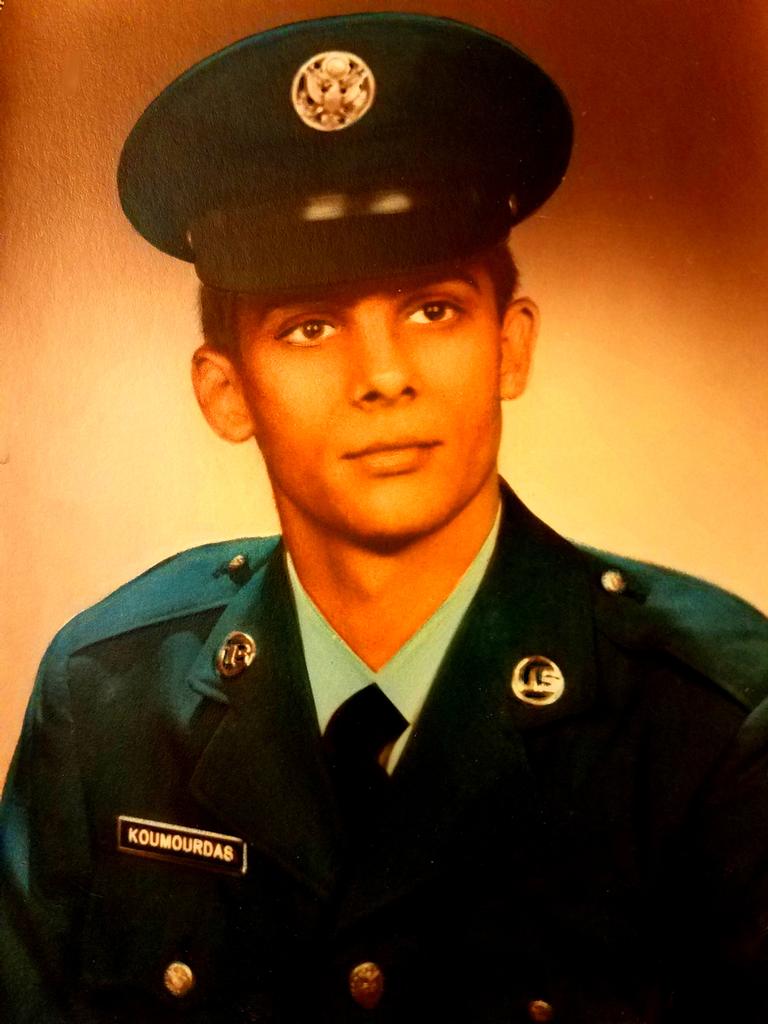
U.S. Air Force

62nd Military Airlift Command • U.S. Air Force • 1968