
Opening branch overview
Building the branch home surface
Loading branch highlights, featured unit context, and gallery moments.
Overview
Members
Units
Building the branch home surface
Loading branch highlights, featured unit context, and gallery moments.
Building the branch units surface
Loading unit filters, rankings, and the branch unit grid.

25 members•1 unit
Relive and share the memories of your service-time with your brothers and sisters in arms today. VetFriends.com can help you reconnect.
Did you proudly serve in the Medical Group?
Are you looking for someone who is or was in the Medical Group?
Do you have Medical Group photos you'd like to share?
Then join a community with your brothers and sisters of the Medical Group.
Branch
U.S. Air Force
Members
25
The Medical Group is a crucial component of military organizations, responsible for providing comprehensive medical support to service members in both peacetime and combat operations. Established in various forms across the world’s armed forces, Medical Groups have evolved from simple field aid stations to sophisticated units capable of advanced trauma care, preventive medicine, and evacuation. During major conflicts such as World War II and the Korean War, Medical Groups played a vital role in reducing battlefield mortality through rapid response and innovative medical techniques. Today, they continue to adapt, integrating new technologies and practices to ensure the health and readiness of military personnel worldwide.
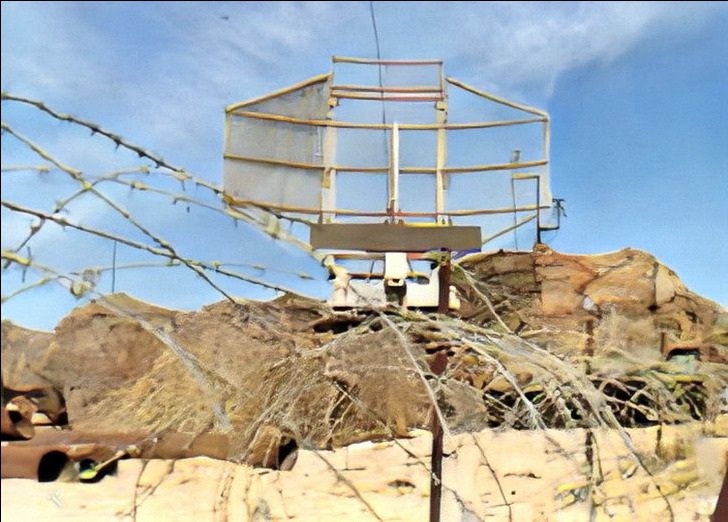
83RD TACTICAL CONTROL FLIGHT • U.S. Air Force

83RD TACTICAL CONTROL FLIGHT • U.S. Air Force
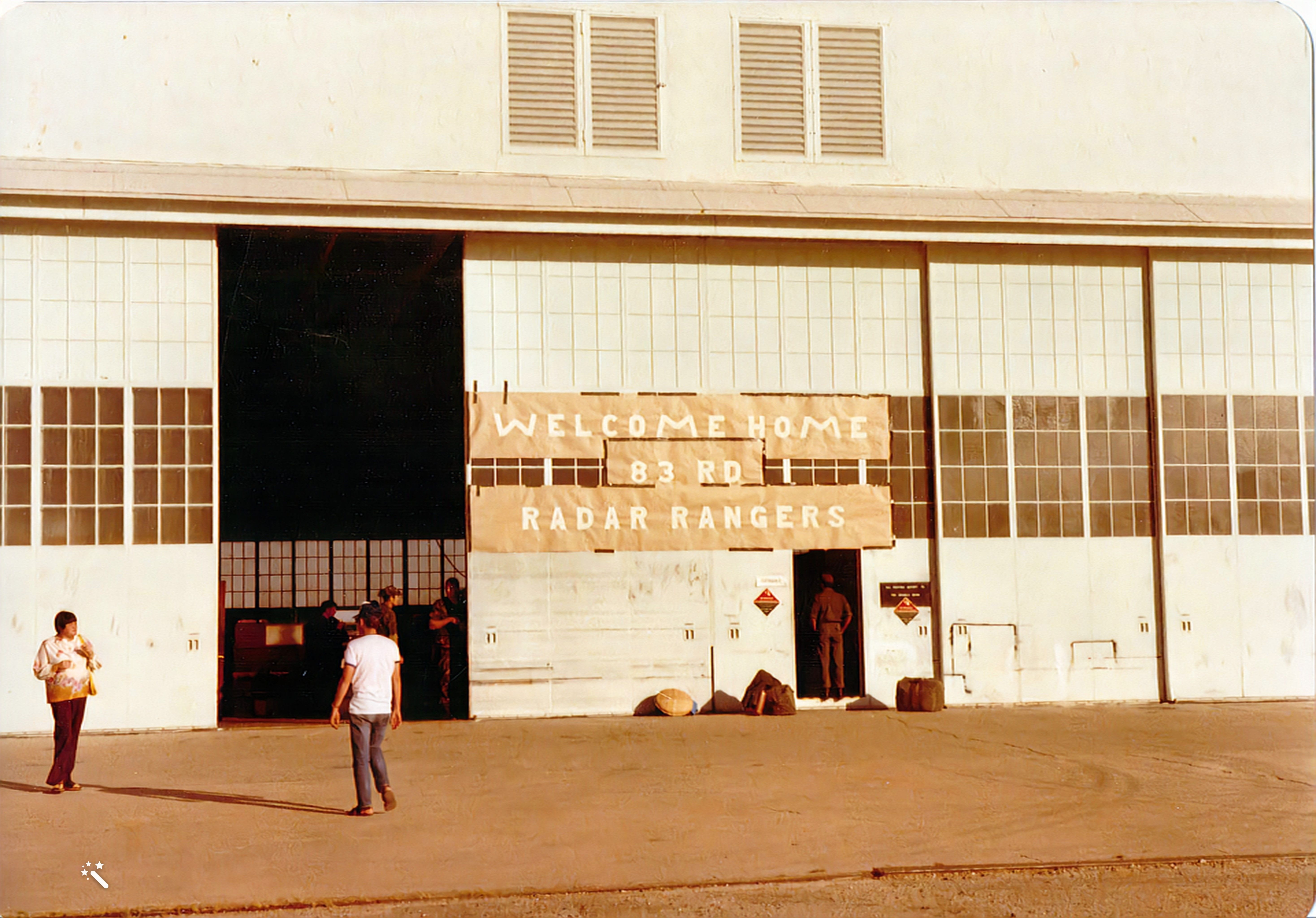
83RD TACTICAL CONTROL FLIGHT • U.S. Air Force • 1981

U.S. Air Force