
Opening branch overview
Building the branch home surface
Loading branch highlights, featured unit context, and gallery moments.
Overview
Members
Units
Building the branch home surface
Loading branch highlights, featured unit context, and gallery moments.
Building the branch units surface
Loading unit filters, rankings, and the branch unit grid.

8 members•1 unit
Relive and share the memories of your service-time with your brothers and sisters in arms today. VetFriends.com can help you reconnect.
Did you proudly serve in the Law Enforcement:Security?
Are you looking for someone who is or was in the Law Enforcement:Security?
Do you have Law Enforcement:Security photos you'd like to share?
Then join a community with your brothers and sisters of the Law Enforcement:Security.
Branch
U.S. Air Force
Members
8
The Law Enforcement/Security unit has played a vital role in military organizations, providing essential security and maintaining order within bases and operational areas. Originating from the need to protect military assets and personnel, these units evolved from traditional military police roles into specialized forces skilled in law enforcement, investigations, and force protection. Over time, their responsibilities expanded to include anti-terrorism, access control, and support during domestic emergencies or deployments abroad. Today, Law Enforcement/Security units are integral to modern military operations, ensuring the safety and discipline of service members while safeguarding critical infrastructure.

U.S. Air Force
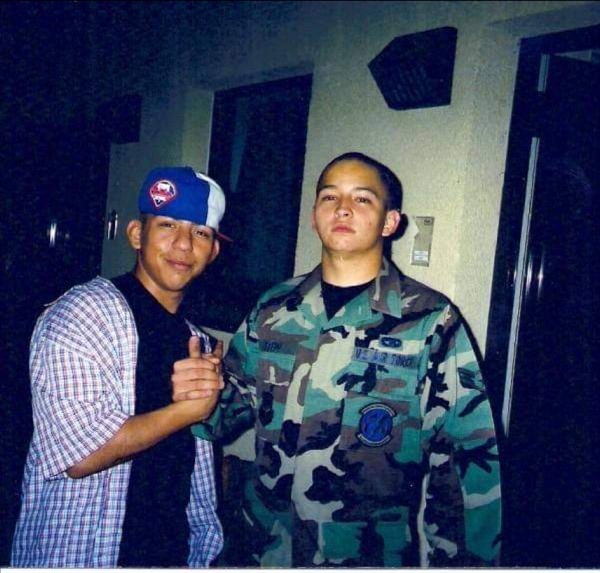
U.S. Air Force
U.S. Air Force • 1972
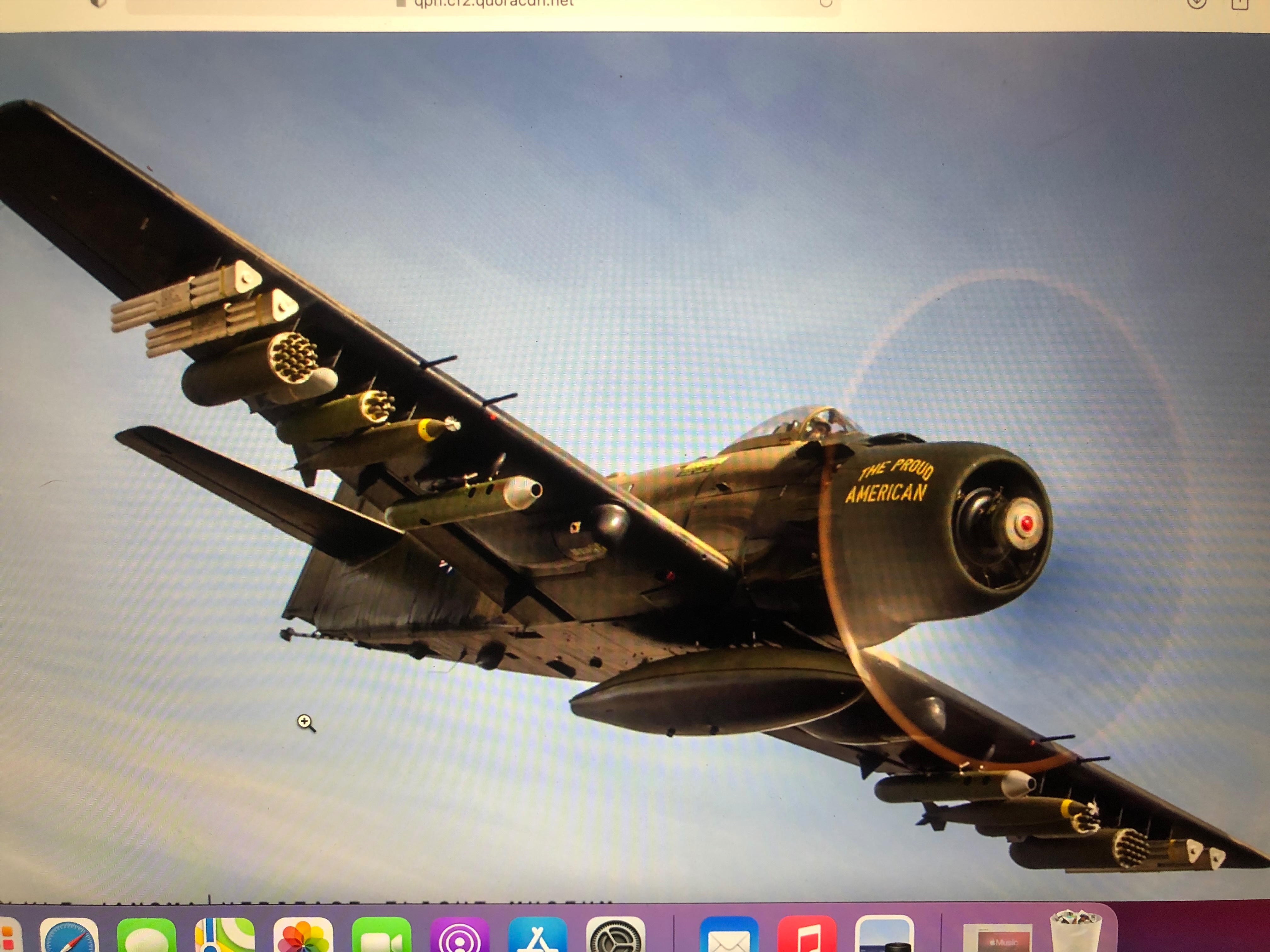
56th Fighter Wing • U.S. Air Force • 1970