
Opening branch overview
Building the branch home surface
Loading branch highlights, featured unit context, and gallery moments.
Overview
Members
Units
Building the branch home surface
Loading branch highlights, featured unit context, and gallery moments.
Building the branch units surface
Loading unit filters, rankings, and the branch unit grid.

U.S. Air Force•39 members
Relive and share the memories of your service-time with your brothers and sisters in arms today. VetFriends.com can help you reconnect.
Did you proudly serve in the Lakehurst Naval Air base?
Are you looking for someone who is or was in the Lakehurst Naval Air base?
Do you have Lakehurst Naval Air base photos you'd like to share?
Then join a community with your brothers and sisters of the Lakehurst Naval Air base.
Lakehurst Naval Air Base, established in 1921 in New Jersey, quickly became a pivotal center for U.S. Navy lighter-than-air operations. The base gained historical significance as the site of the Hindenburg disaster in 1937, highlighting the end of the airship era. During World War II, Lakehurst played a vital role in anti-submarine patrols and the training of airship crews. In the postwar years, it continued to support naval aviation research, particularly in launching and recovery systems for aircraft carriers. Today, it is part of Joint Base McGuire-Dix-Lakehurst, supporting a variety of military operations and training missions.
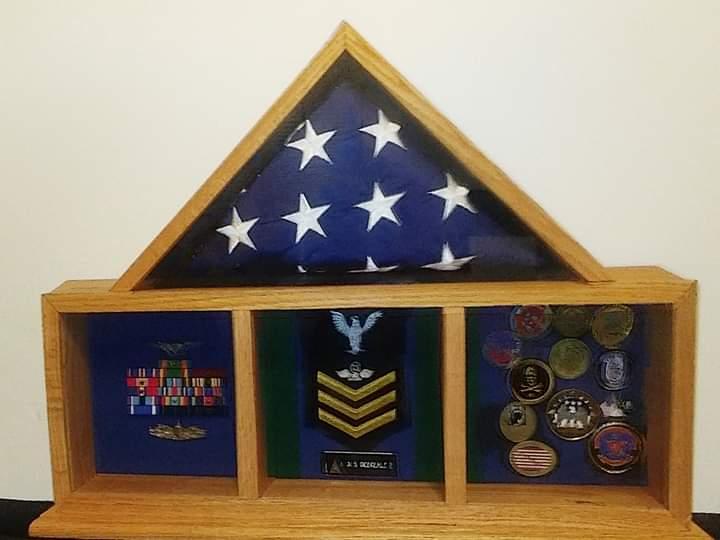
U.S. Navy

U.S. Navy

U.S. Navy

U.S. Navy