
Opening branch overview
Building the branch home surface
Loading branch highlights, featured unit context, and gallery moments.
Overview
Members
Units
Building the branch home surface
Loading branch highlights, featured unit context, and gallery moments.
Building the branch units surface
Loading unit filters, rankings, and the branch unit grid.

1 members•1 unit
Relive and share the memories of your service-time with your brothers and sisters in arms today. VetFriends.com can help you reconnect.
Did you proudly serve in the Israel Air Force?
Are you looking for someone who is or was in the Israel Air Force?
Do you have Israel Air Force photos you'd like to share?
Then join a community with your brothers and sisters of the Israel Air Force.
Branch
U.S. Air Force
Members
1
The Israel Air Force (IAF) was established in May 1948, shortly after the founding of the State of Israel. Initially composed of a small collection of obsolete and hastily assembled aircraft, the IAF played a crucial role in securing Israeli airspace during the 1948 Arab-Israeli War. Over the decades, it developed into one of the world’s most advanced air forces, renowned for its technological innovation, precision operations, and rapid-response capabilities. The IAF has been instrumental in key military operations, including the destruction of enemy airfields during the Six-Day War (1967) and Operation Opera (1981), which targeted Iraq’s Osirak nuclear reactor.

U.S. Air Force
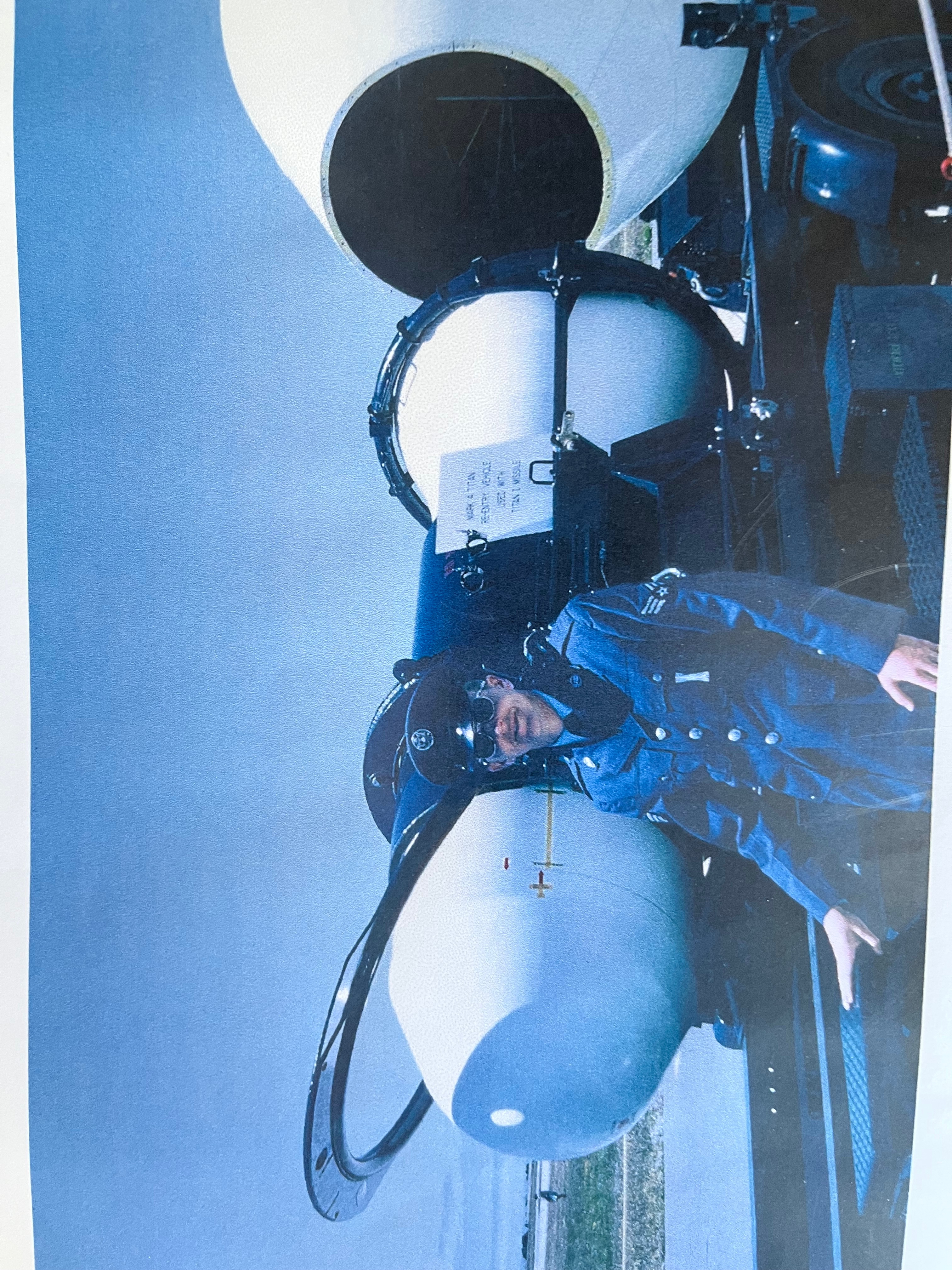
51st MMS (SAC) • U.S. Air Force • 1963
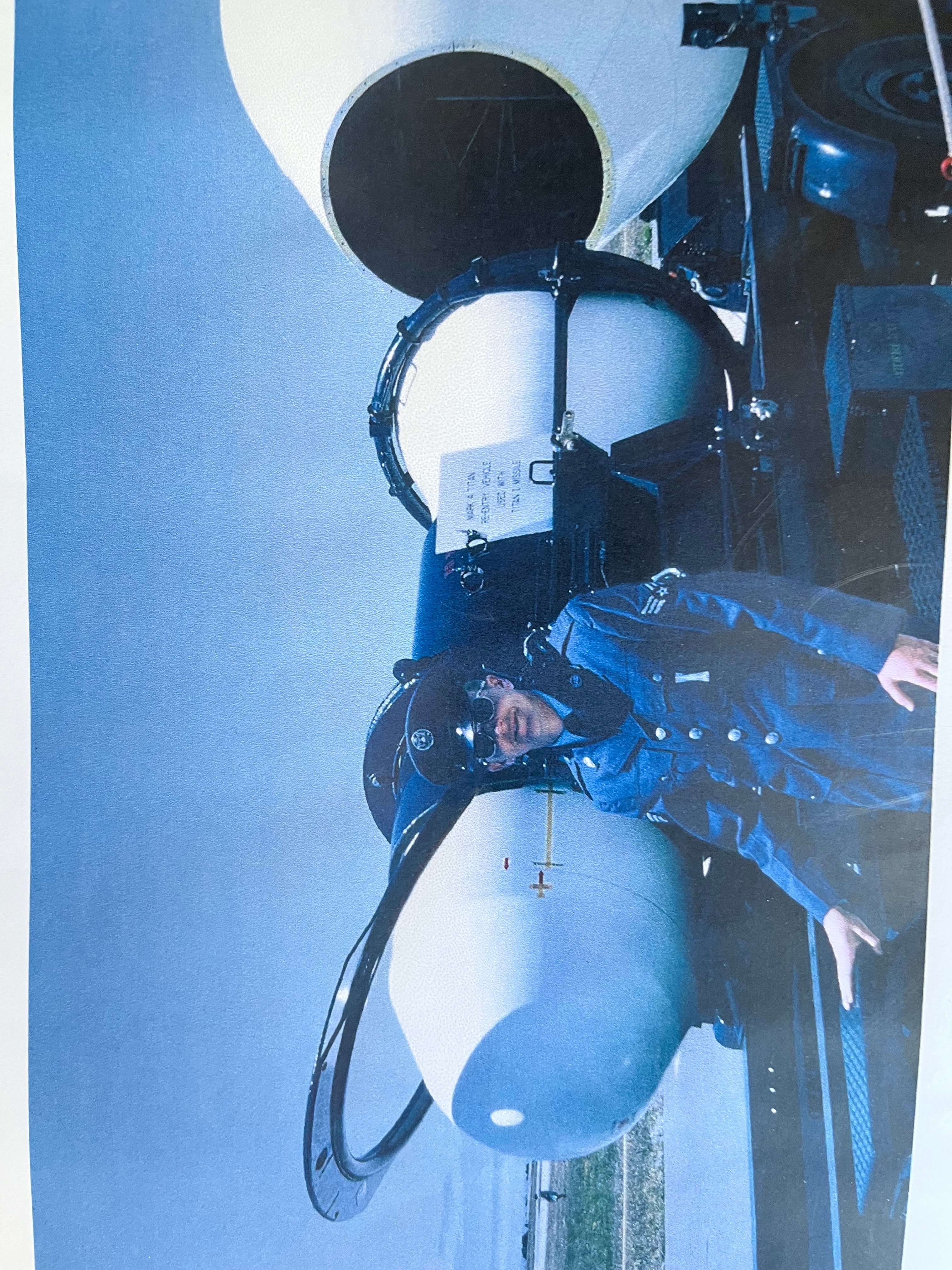
U.S. Air Force
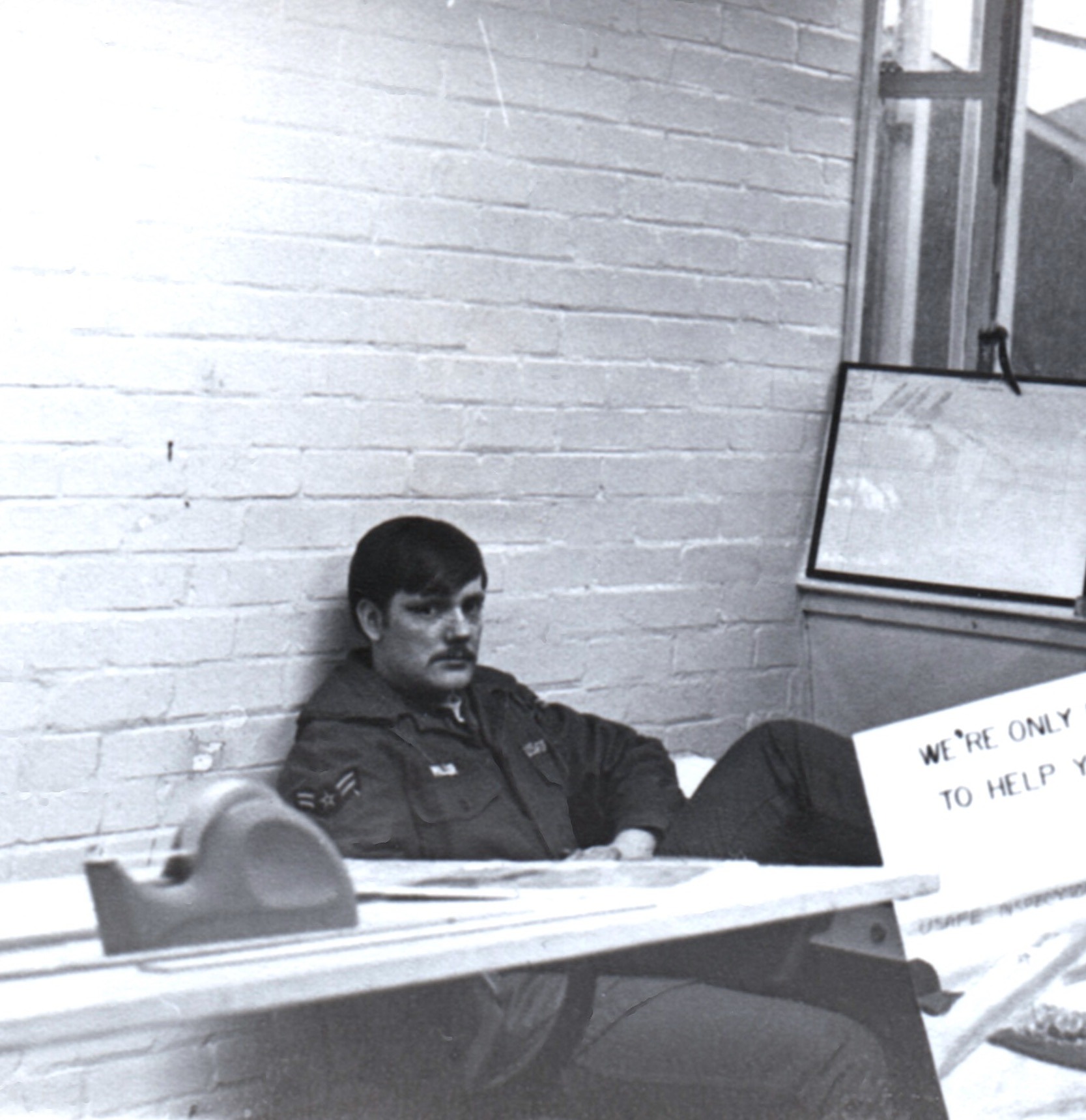
513 TACTICAL AIRLIFT WING • U.S. Air Force • 1967