
Opening branch overview
Building the branch home surface
Loading branch highlights, featured unit context, and gallery moments.
Overview
Members
Units
Building the branch home surface
Loading branch highlights, featured unit context, and gallery moments.
Building the branch units surface
Loading unit filters, rankings, and the branch unit grid.

1 members•1 unit
Relive and share the memories of your service-time with your brothers and sisters in arms today. VetFriends.com can help you reconnect.
Did you proudly serve in the ISC AFIS?
Are you looking for someone who is or was in the ISC AFIS?
Do you have ISC AFIS photos you'd like to share?
Then join a community with your brothers and sisters of the ISC AFIS.
Branch
U.S. Air Force
Members
1
The **ISC AFIS** (Information Support Command – Armed Forces Information Service) is a specialized military unit dedicated to information operations and strategic communication within the armed forces. Established in the early 2000s, ISC AFIS was formed to centralize and enhance the dissemination of accurate information to both military personnel and the public, supporting operational security and morale. The unit played a pivotal role during overseas deployments, providing media support, psychological operations, and countering misinformation. Over the years, ISC AFIS has evolved to incorporate advanced digital tools, ensuring timely and effective communication in the modern information environment.

HQ Air University • U.S. Air Force • 2024

U.S. Air Force • 1982

3333 BMTS, Amarillo AFB • U.S. Air Force • 1967
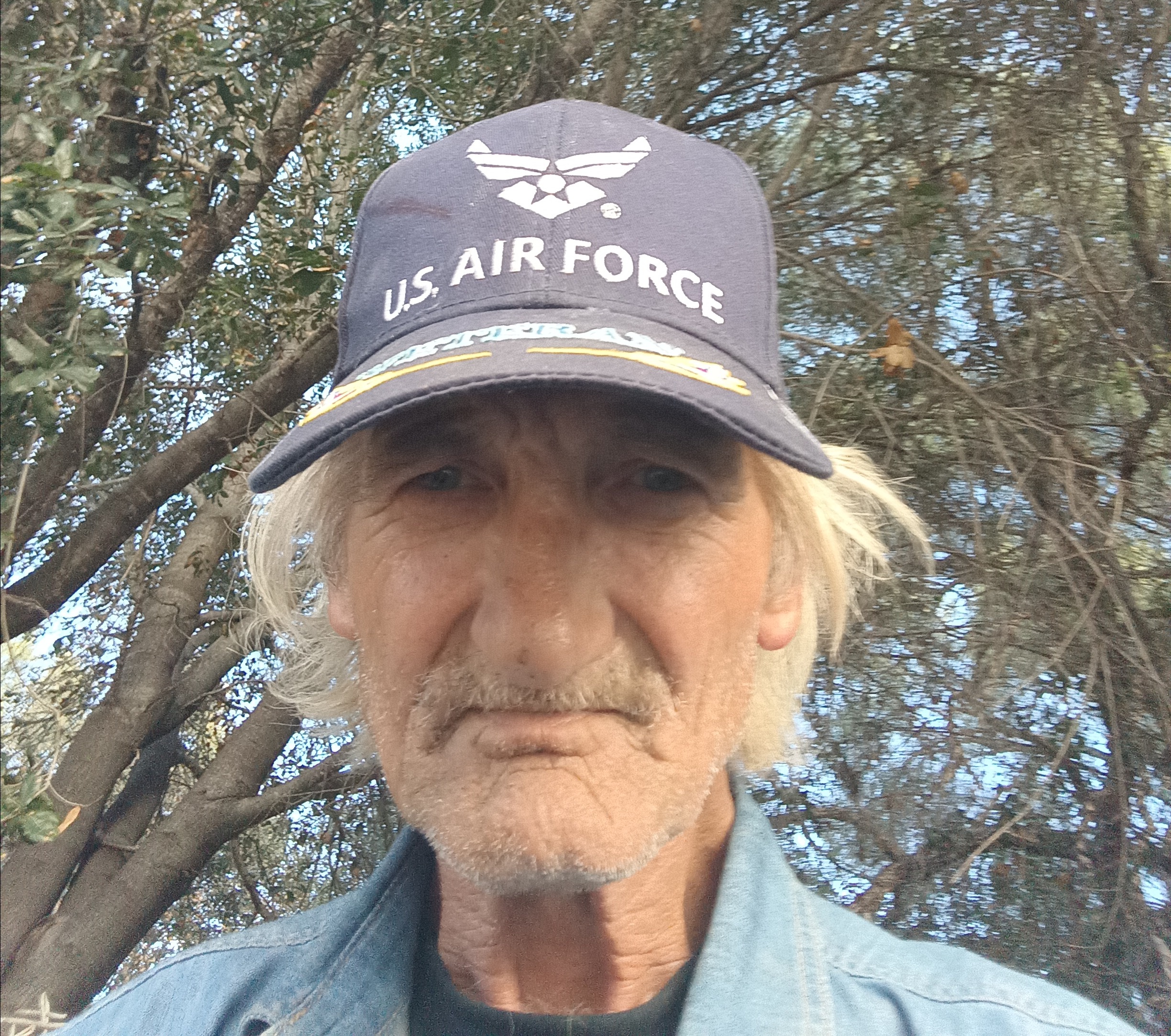
U.S. Air Force