
Opening branch overview
Building the branch home surface
Loading branch highlights, featured unit context, and gallery moments.
Overview
Members
Units
Building the branch home surface
Loading branch highlights, featured unit context, and gallery moments.
Building the branch units surface
Loading unit filters, rankings, and the branch unit grid.

4 members•1 unit
Relive and share the memories of your service-time with your brothers and sisters in arms today. VetFriends.com can help you reconnect.
Did you proudly serve in the HYDROFOIL SQUADRON 2 (PHMRON 2) MLSG?
Are you looking for someone who is or was in the HYDROFOIL SQUADRON 2 (PHMRON 2) MLSG?
Do you have HYDROFOIL SQUADRON 2 (PHMRON 2) MLSG photos you'd like to share?
Then join a community with your brothers and sisters of the HYDROFOIL SQUADRON 2 (PHMRON 2) MLSG.
Branch
U.S. Air Force
Members
4
Hydrofoil Squadron 2 (PHMRON 2), part of the U.S. Navy, was established in 1978 to operate and evaluate the high-speed Pegasus-class hydrofoils (PHM). Based at Key West, Florida, the squadron's mission focused on coastal patrol, interdiction, and rapid response in littoral waters, particularly in the Caribbean region during the Cold War. PHMRON 2 played a key role in testing the operational capabilities of hydrofoils, demonstrating their effectiveness in drug interdiction and surveillance missions. The squadron was disestablished in 1993 following the retirement of the Pegasus-class hydrofoils from active service.
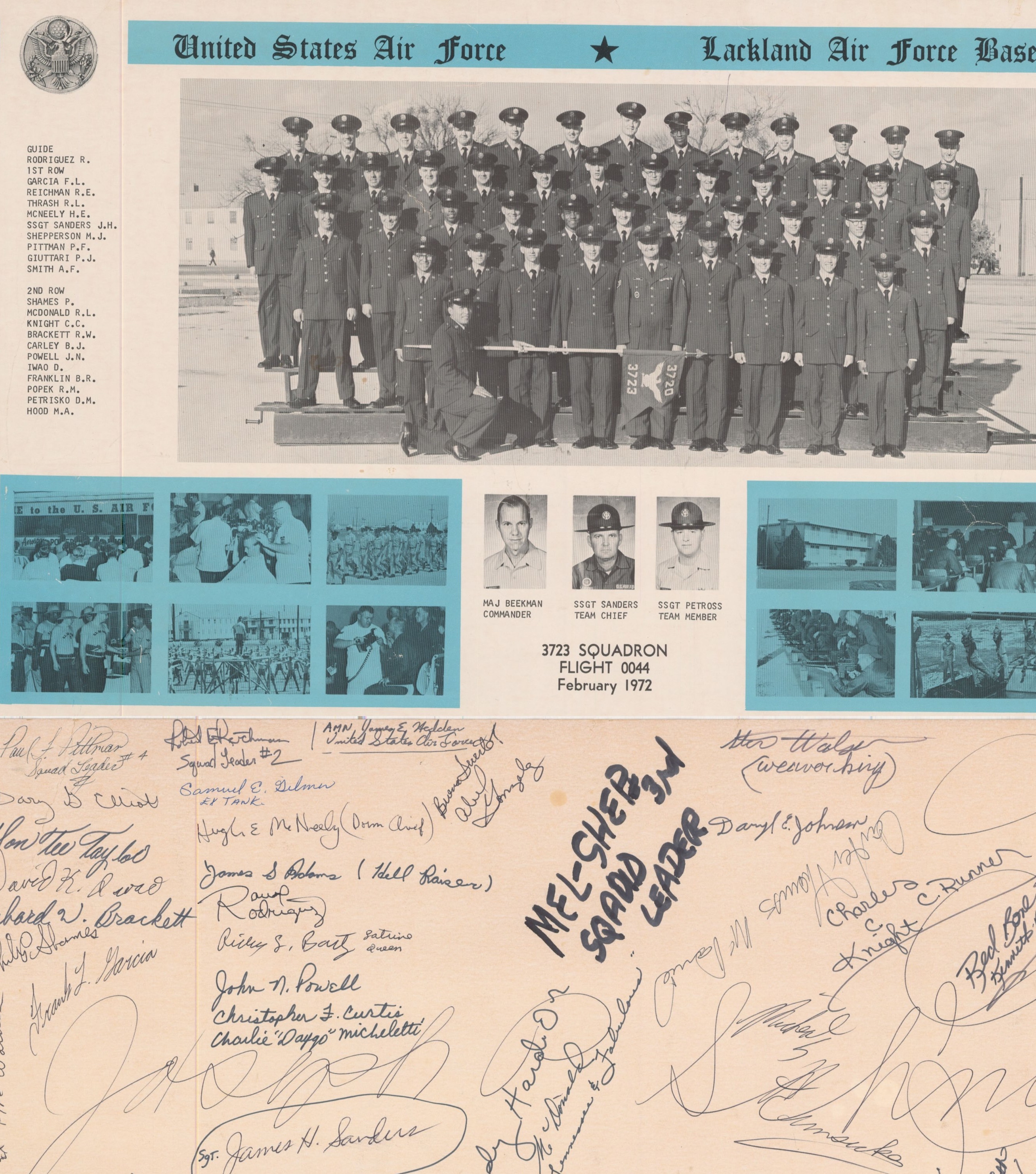
3723 Squadron/Flight 0044 • U.S. Air Force • 1972

U.S. Air Force
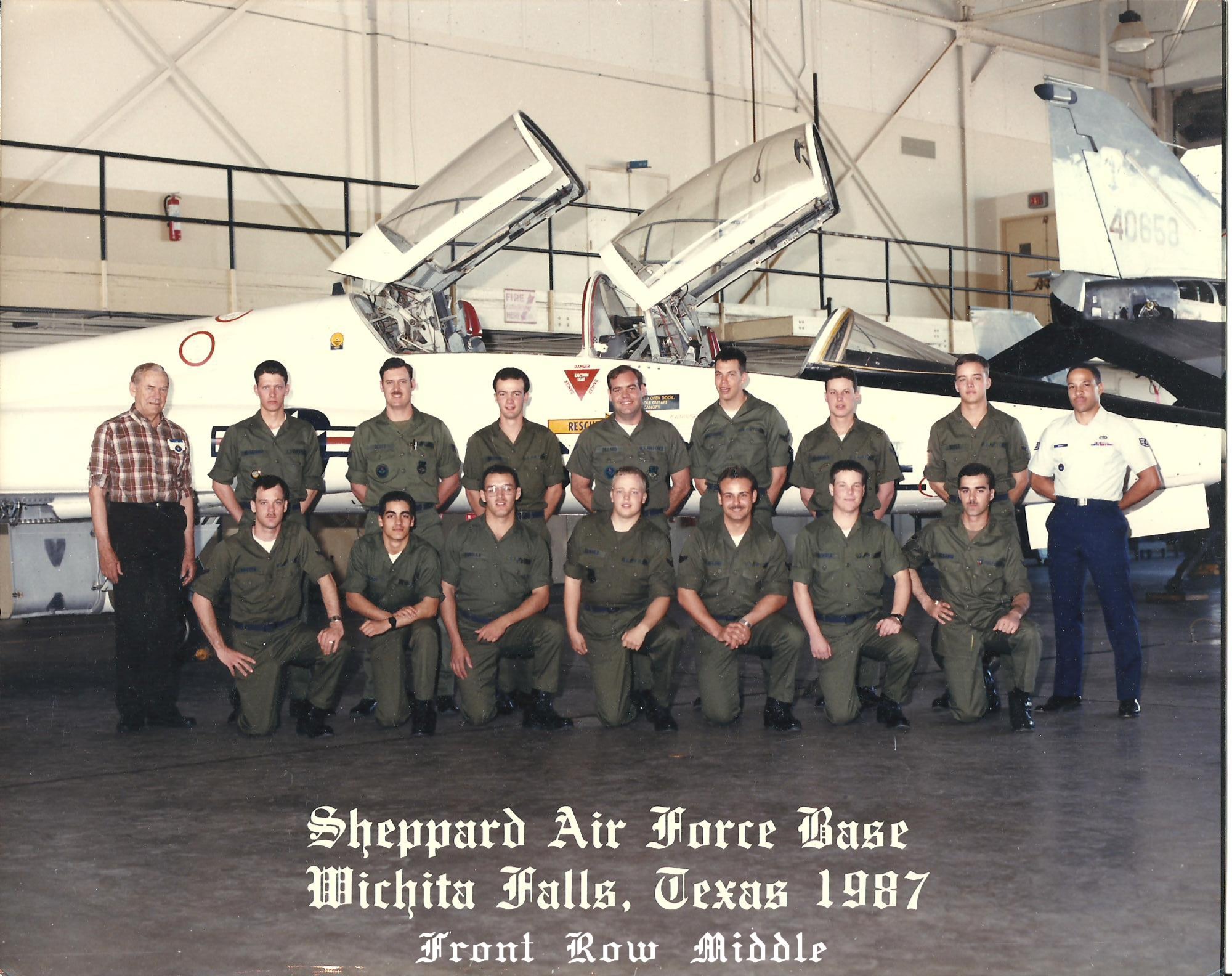
U.S. Air Force • 1987
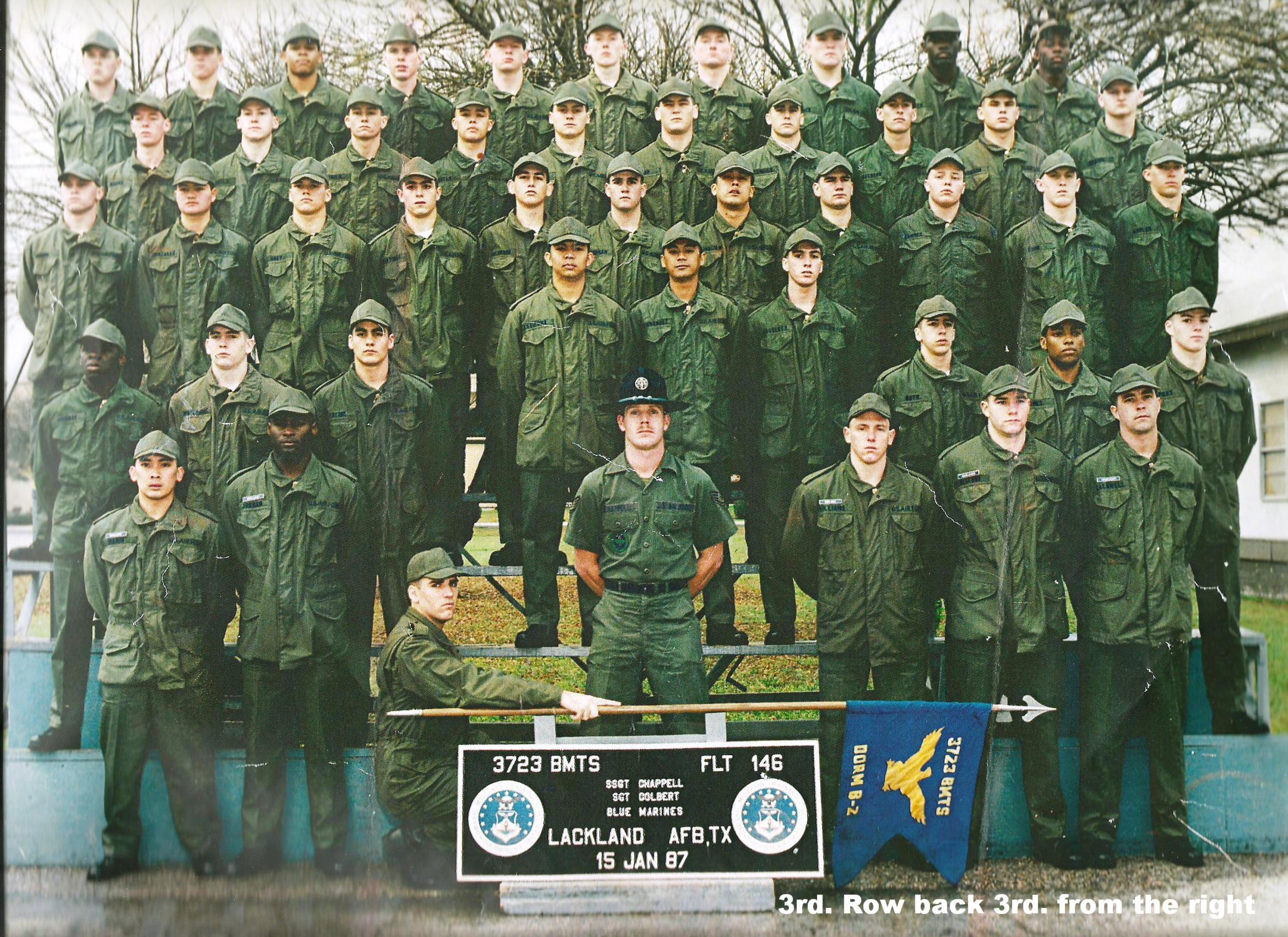
U.S. Air Force • 1987