
Opening branch overview
Building the branch home surface
Loading branch highlights, featured unit context, and gallery moments.
Overview
Members
Units
Building the branch home surface
Loading branch highlights, featured unit context, and gallery moments.
Building the branch units surface
Loading unit filters, rankings, and the branch unit grid.

5 members•1 unit
Relive and share the memories of your service-time with your brothers and sisters in arms today. VetFriends.com can help you reconnect.
Did you proudly serve in the HQAFSPACECOM?
Are you looking for someone who is or was in the HQAFSPACECOM?
Do you have HQAFSPACECOM photos you'd like to share?
Then join a community with your brothers and sisters of the HQAFSPACECOM.
Branch
U.S. Air Force
Members
5
**HQAFSPACECOM**, or Headquarters Air Force Space Command, was established on 1 September 1982 to organize, train, and equip U.S. Air Force personnel for space operations. Headquartered at Peterson Air Force Base, Colorado, AFSPACECOM was responsible for space surveillance, missile warning, satellite control, and space launch operations. Throughout the late 20th and early 21st centuries, the command played a crucial role in integrating space capabilities into joint and coalition operations. In December 2019, its mission and personnel were realigned under the newly established United States Space Force, marking the end of AFSPACECOM as a major command of the Air Force.
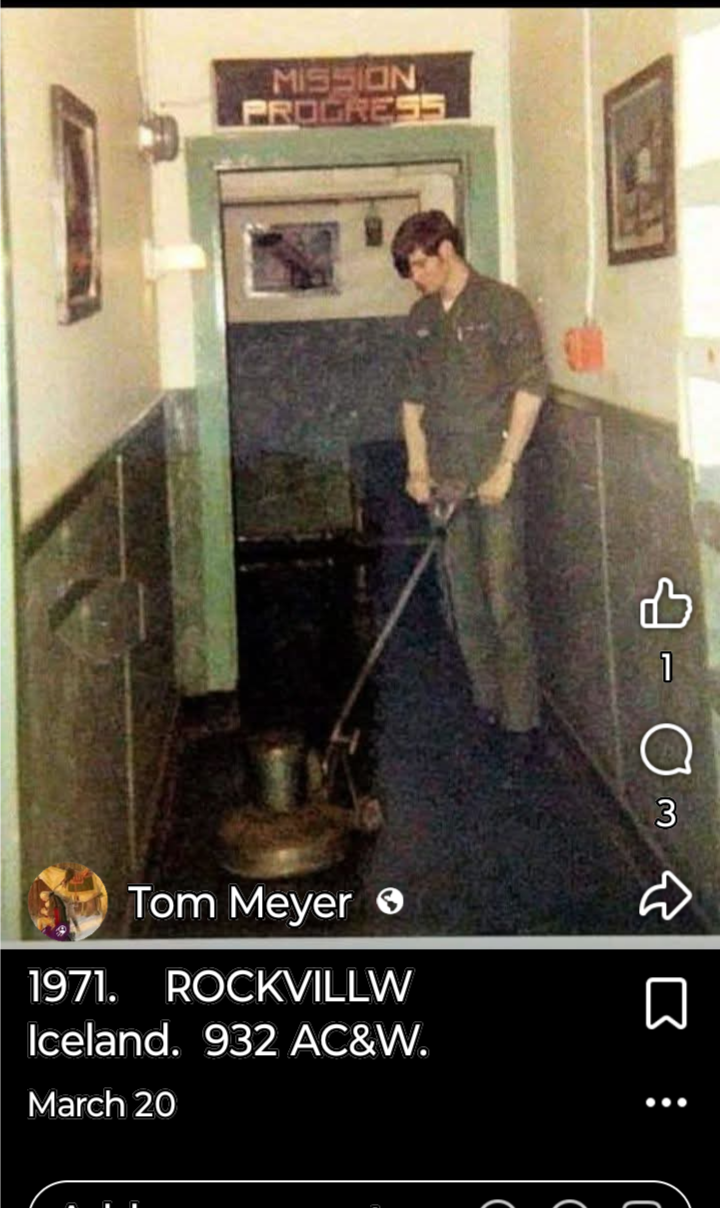
U.S. Air Force • 1971
U.S. Air Force
U.S. Air Force
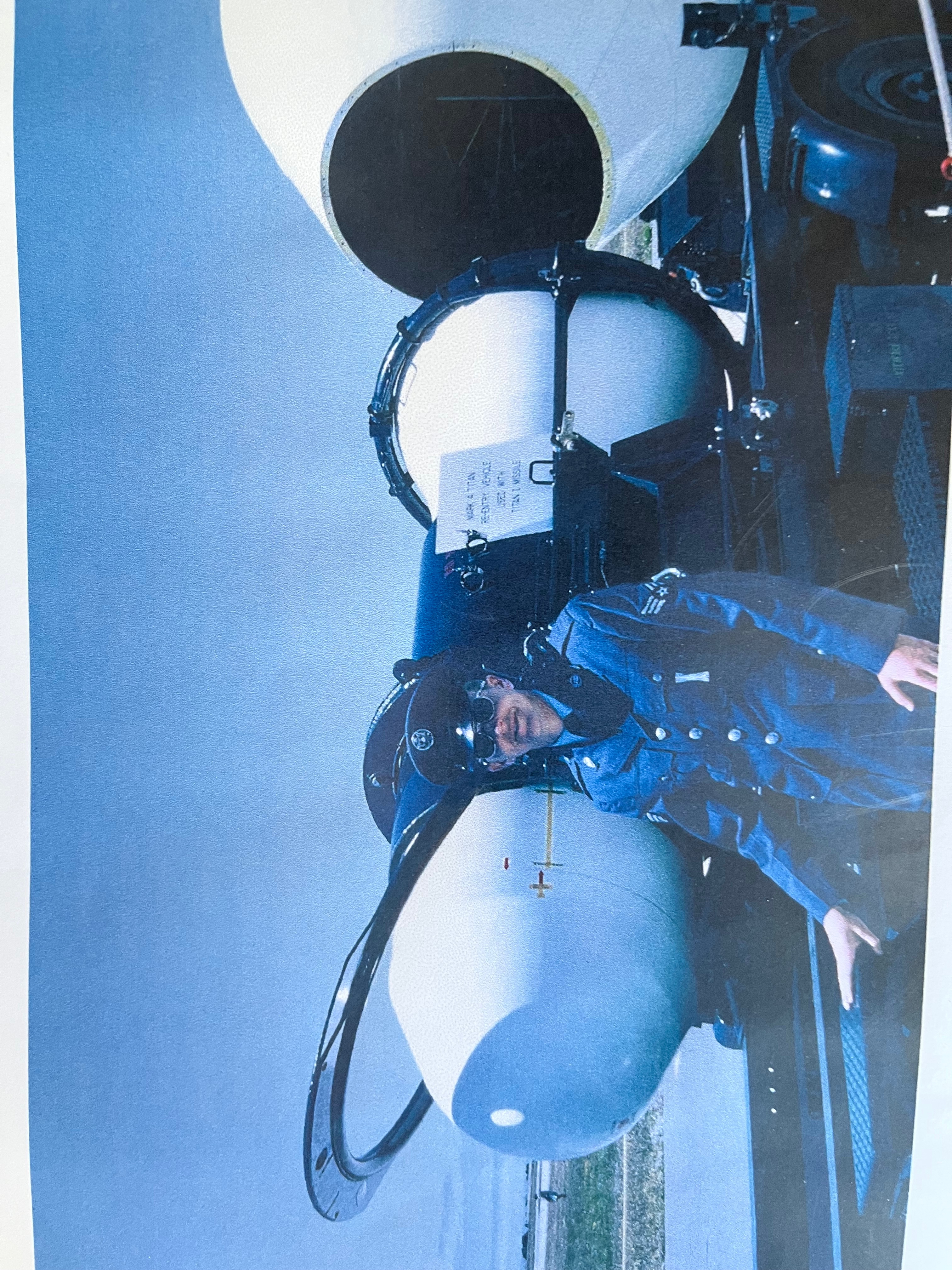
51st MMS (SAC) • U.S. Air Force • 1963