
Opening branch overview
Building the branch home surface
Loading branch highlights, featured unit context, and gallery moments.
Overview
Members
Units
Building the branch home surface
Loading branch highlights, featured unit context, and gallery moments.
Building the branch units surface
Loading unit filters, rankings, and the branch unit grid.

U.S. Air Force•16 members
Relive and share the memories of your service-time with your brothers and sisters in arms today. VetFriends.com can help you reconnect.
Did you proudly serve in the Howard AFB CES?
Are you looking for someone who is or was in the Howard AFB CES?
Do you have Howard AFB CES photos you'd like to share?
Then join a community with your brothers and sisters of the Howard AFB CES.
**Howard AFB CES Military History:** The Civil Engineering Squadron (CES) at Howard Air Force Base (AFB), Panama, played a crucial support role during the base’s operational years, particularly throughout the Cold War and Operation Just Cause in 1989. Tasked with the maintenance and construction of facilities, runways, and infrastructure, the Howard AFB CES ensured the base’s readiness for rapid deployment and sustained air operations across Latin America. Their expertise was vital in supporting U.S. Southern Command missions, humanitarian assistance, and disaster relief efforts in the region. The unit’s legacy reflects a commitment to operational excellence and adaptability, contributing significantly to U.S. strategic interests in the Western Hemisphere until the base’s closure in 1999.
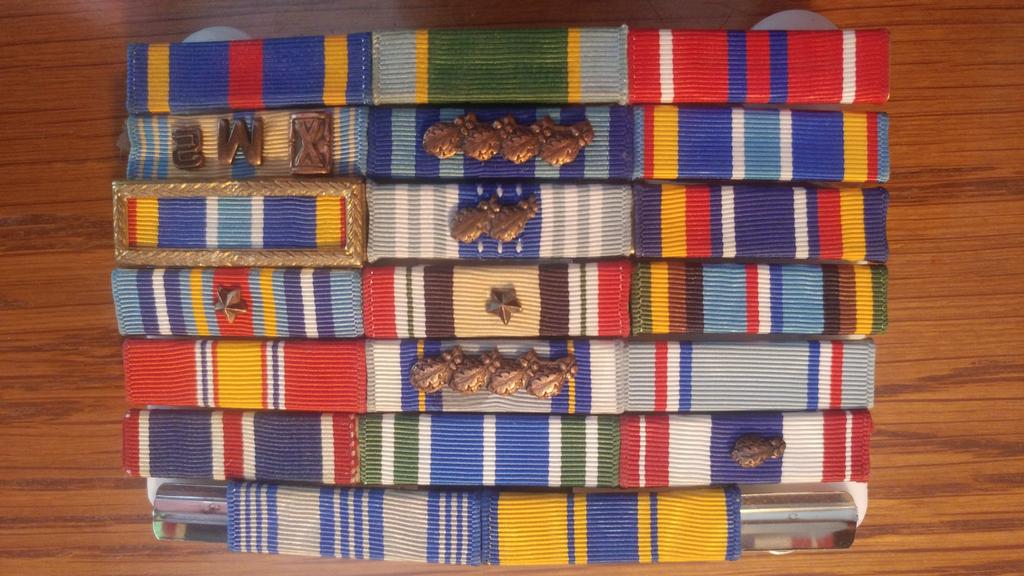
U.S. Air Force
U.S. Air Force

U.S. Air Force
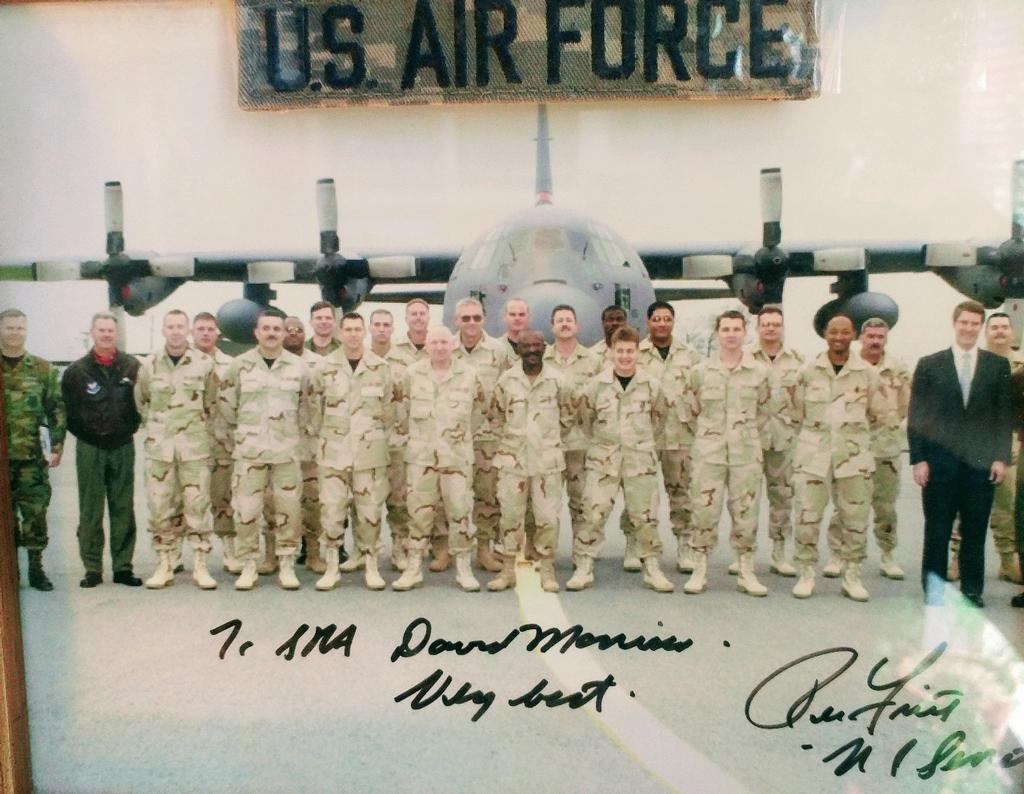
U.S. Air Force