
Opening branch overview
Building the branch home surface
Loading branch highlights, featured unit context, and gallery moments.
Overview
Members
Units
Building the branch home surface
Loading branch highlights, featured unit context, and gallery moments.
Building the branch units surface
Loading unit filters, rankings, and the branch unit grid.

1 members•1 unit
Relive and share the memories of your service-time with your brothers and sisters in arms today. VetFriends.com can help you reconnect.
Did you proudly serve in the Goose Bay, Labrador?
Are you looking for someone who is or was in the Goose Bay, Labrador?
Do you have Goose Bay, Labrador photos you'd like to share?
Then join a community with your brothers and sisters of the Goose Bay, Labrador.
Branch
U.S. Air Force
Members
1
CFB Goose Bay, located in Labrador, Canada, has played a significant role in North American and NATO defense since its establishment in 1941. Originally constructed as a strategic airbase during World War II, it served as a refueling and staging point for Allied aircraft crossing the Atlantic. During the Cold War, Goose Bay became a key site for NATO low-level flight training, with forces from Canada, the United Kingdom, Germany, and other allies making extensive use of its vast airspace. The base continues to serve the Royal Canadian Air Force and hosts international training exercises, maintaining its importance in continental defense and military cooperation.
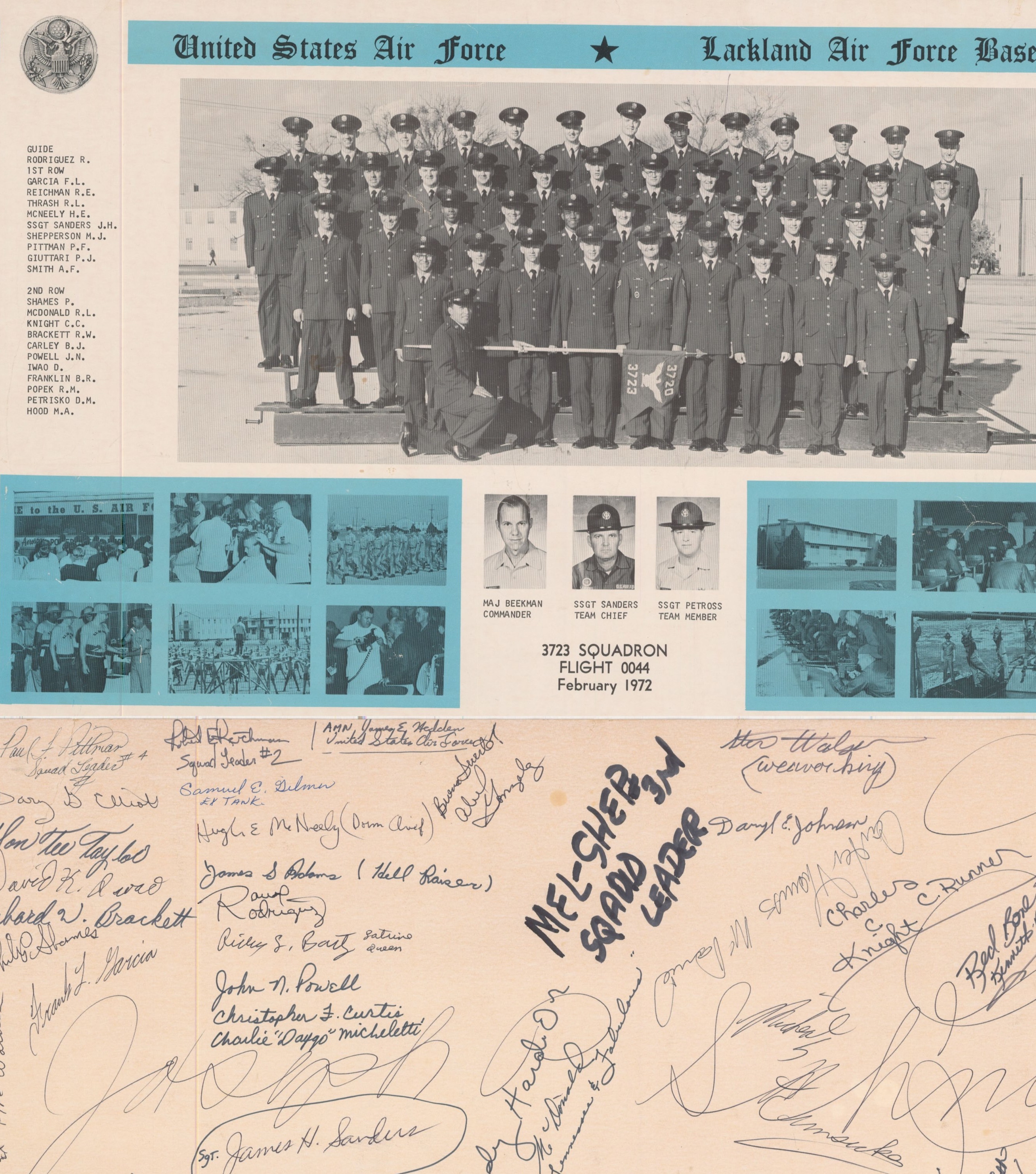
3723 Squadron/Flight 0044 • U.S. Air Force • 1972

U.S. Air Force
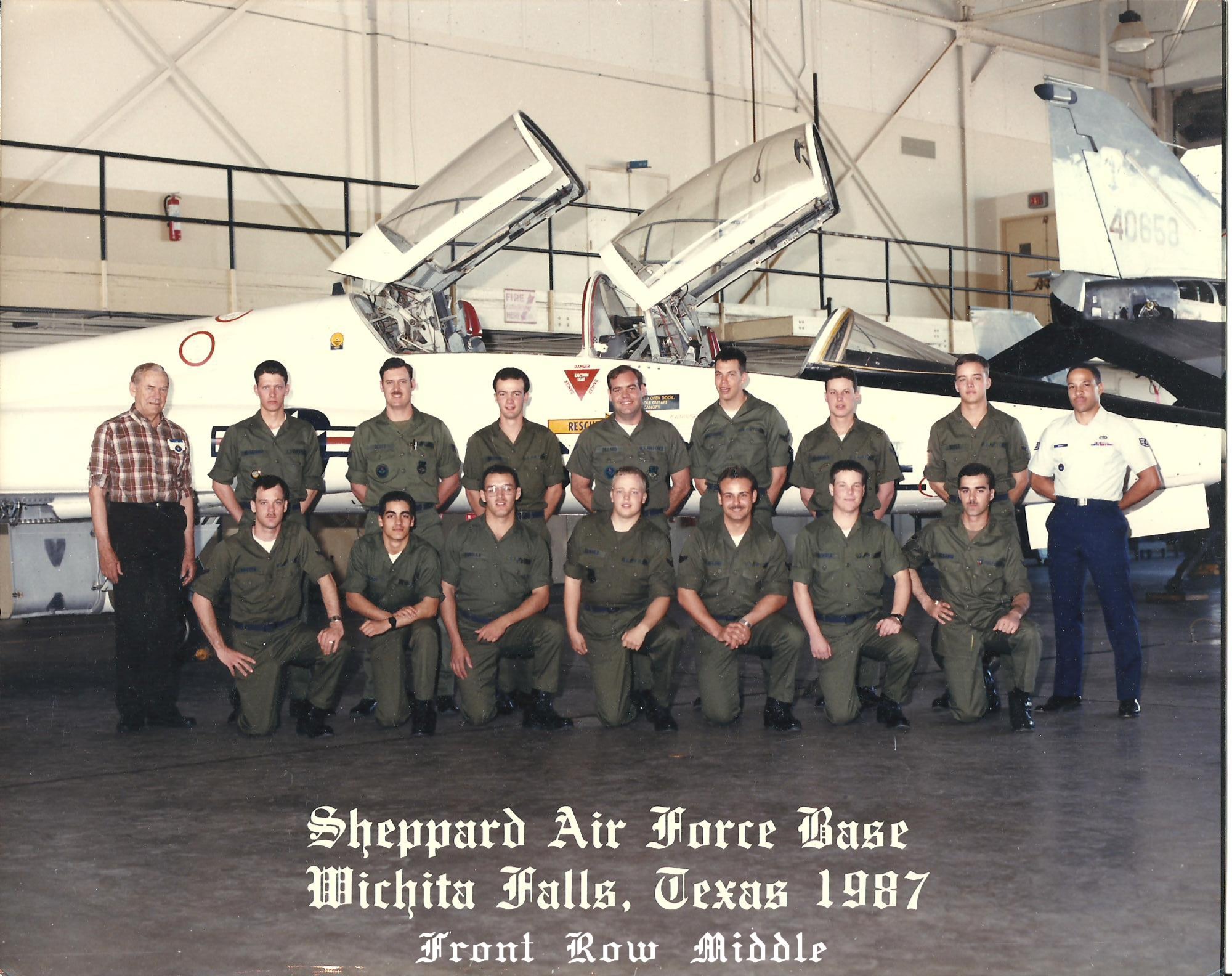
U.S. Air Force • 1987
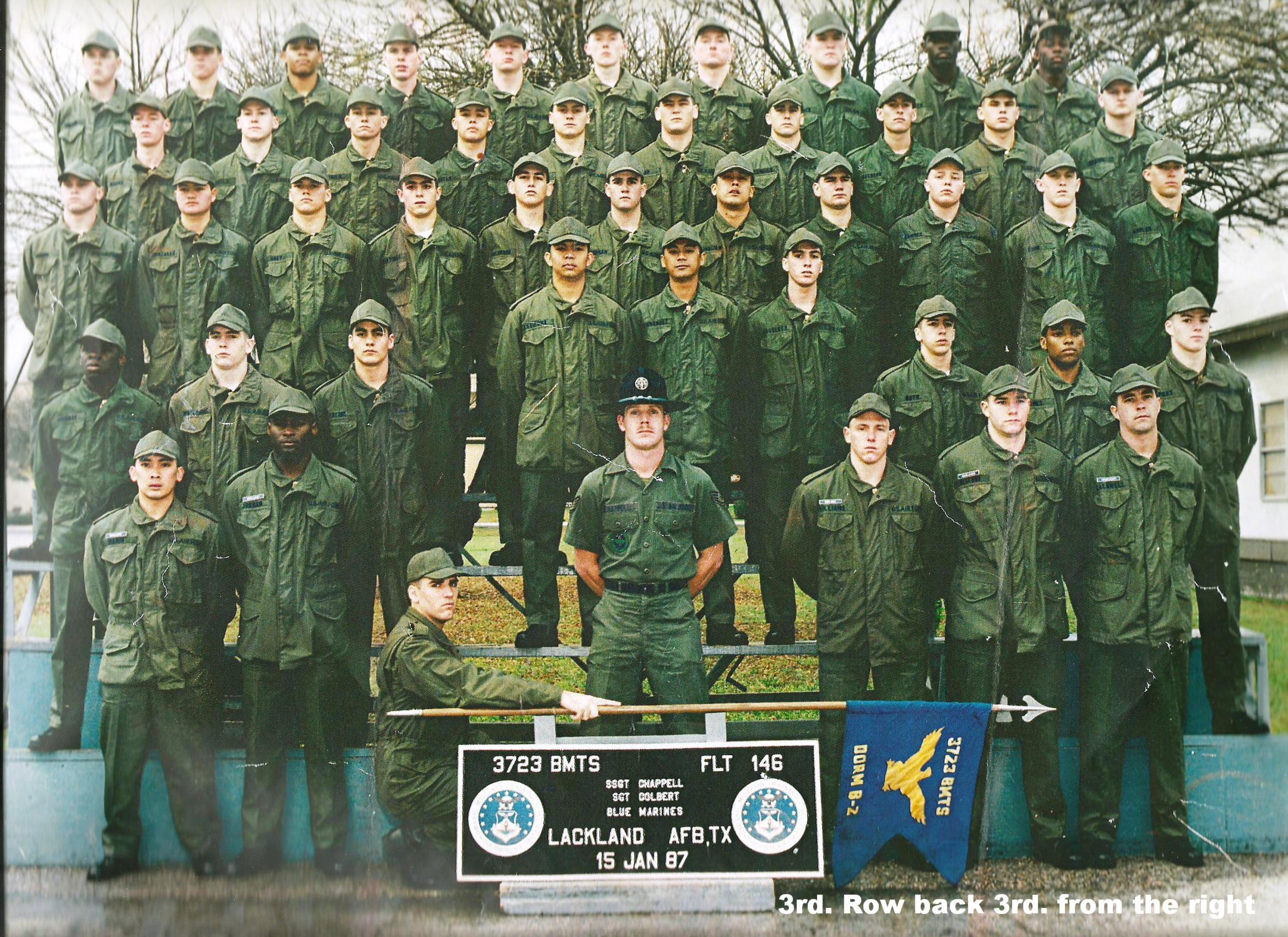
U.S. Air Force • 1987