
Opening branch overview
Building the branch home surface
Loading branch highlights, featured unit context, and gallery moments.
Overview
Members
Units
Building the branch home surface
Loading branch highlights, featured unit context, and gallery moments.
Building the branch units surface
Loading unit filters, rankings, and the branch unit grid.

U.S. Air Force•1 members
Relive and share the memories of your service-time with your brothers and sisters in arms today. VetFriends.com can help you reconnect.
Did you proudly serve in the First Flight Detachment?
Are you looking for someone who is or was in the First Flight Detachment?
Do you have First Flight Detachment photos you'd like to share?
Then join a community with your brothers and sisters of the First Flight Detachment.
The First Flight Detachment was a pioneering aviation unit established by the United States Navy in 1911 at Annapolis, Maryland. Comprised of a small group of naval officers and enlisted men, the unit was tasked with exploring the use of aircraft for naval operations. Under the leadership of Lieutenant Theodore G. Ellyson, the Navy's first aviator, the detachment conducted early experiments in seaplane flight, takeoffs, and landings. Their efforts laid the groundwork for the development of naval aviation, leading to the formation of the first official naval air stations and the expansion of aviation roles within the U.S. Navy.
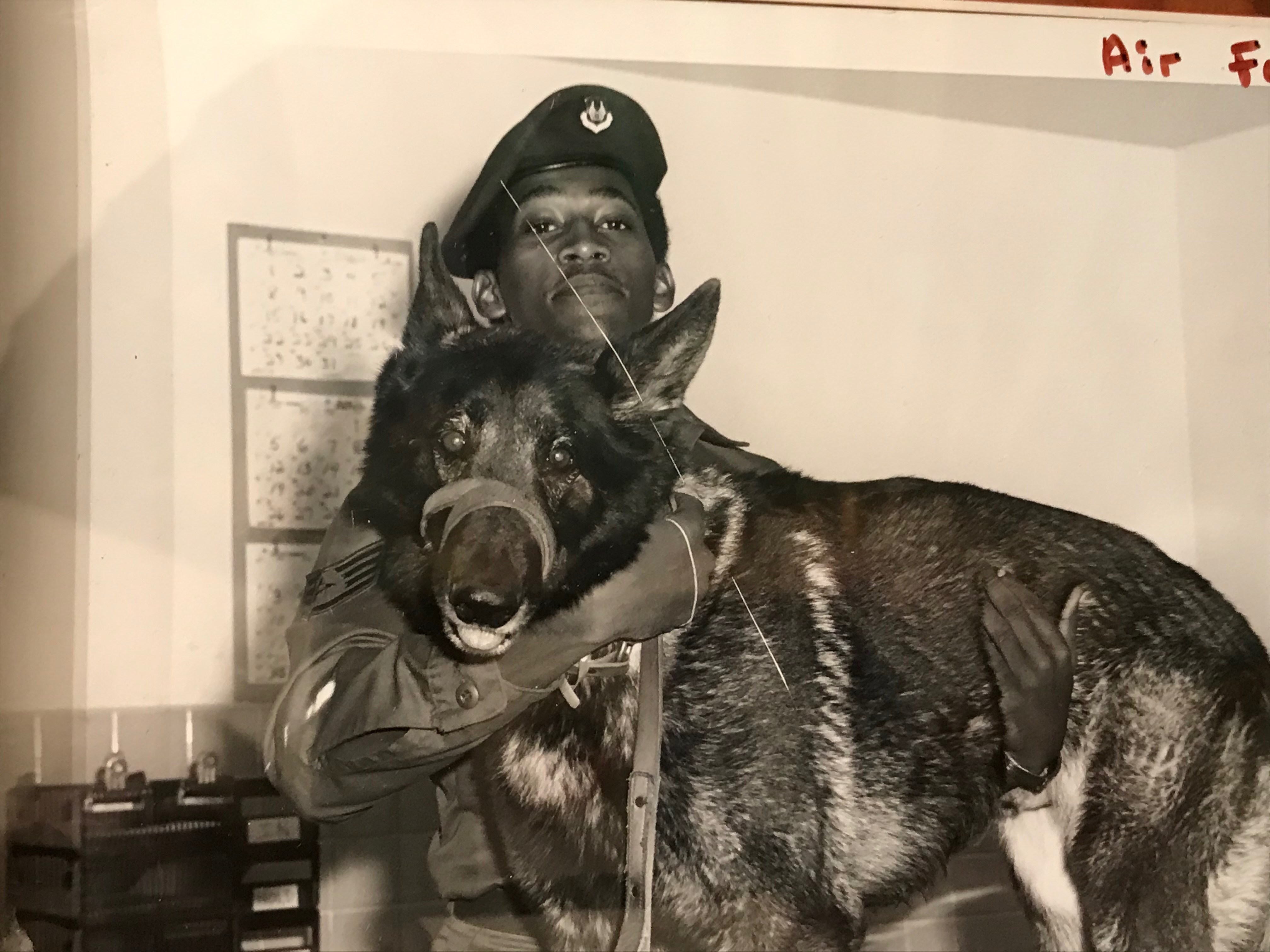
U.S. Air Force
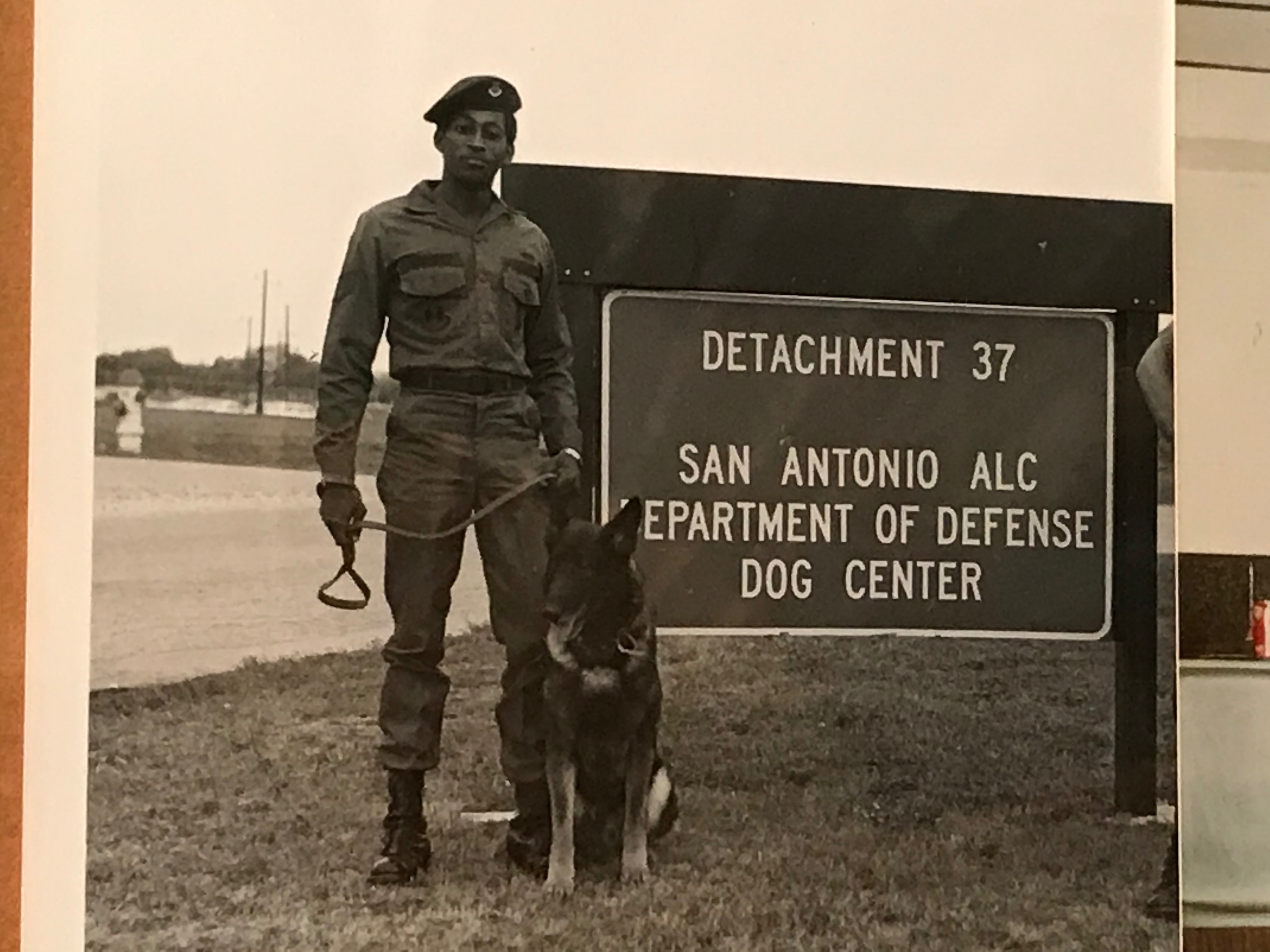
U.S. Air Force
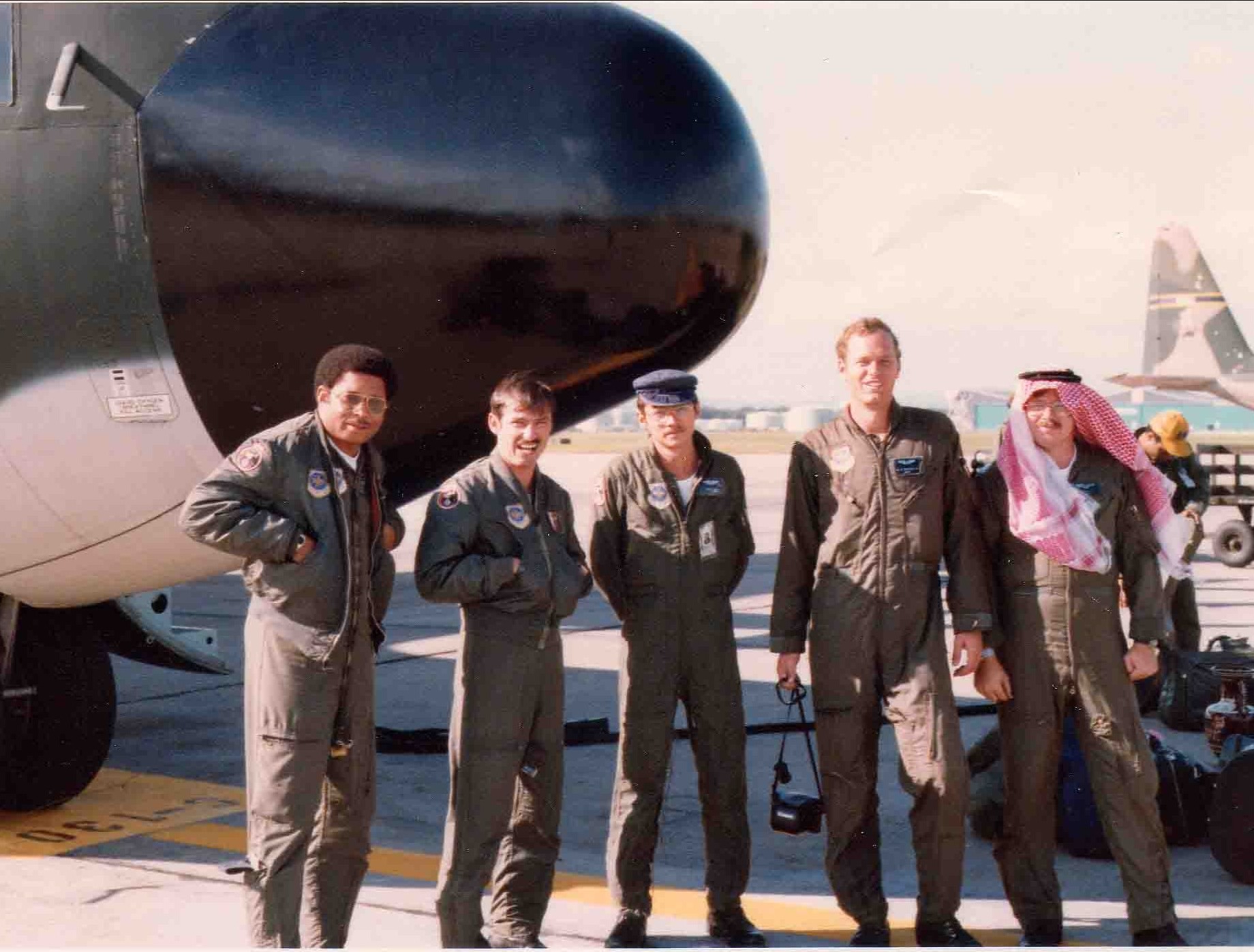
773 TAS • U.S. Air Force • 1979
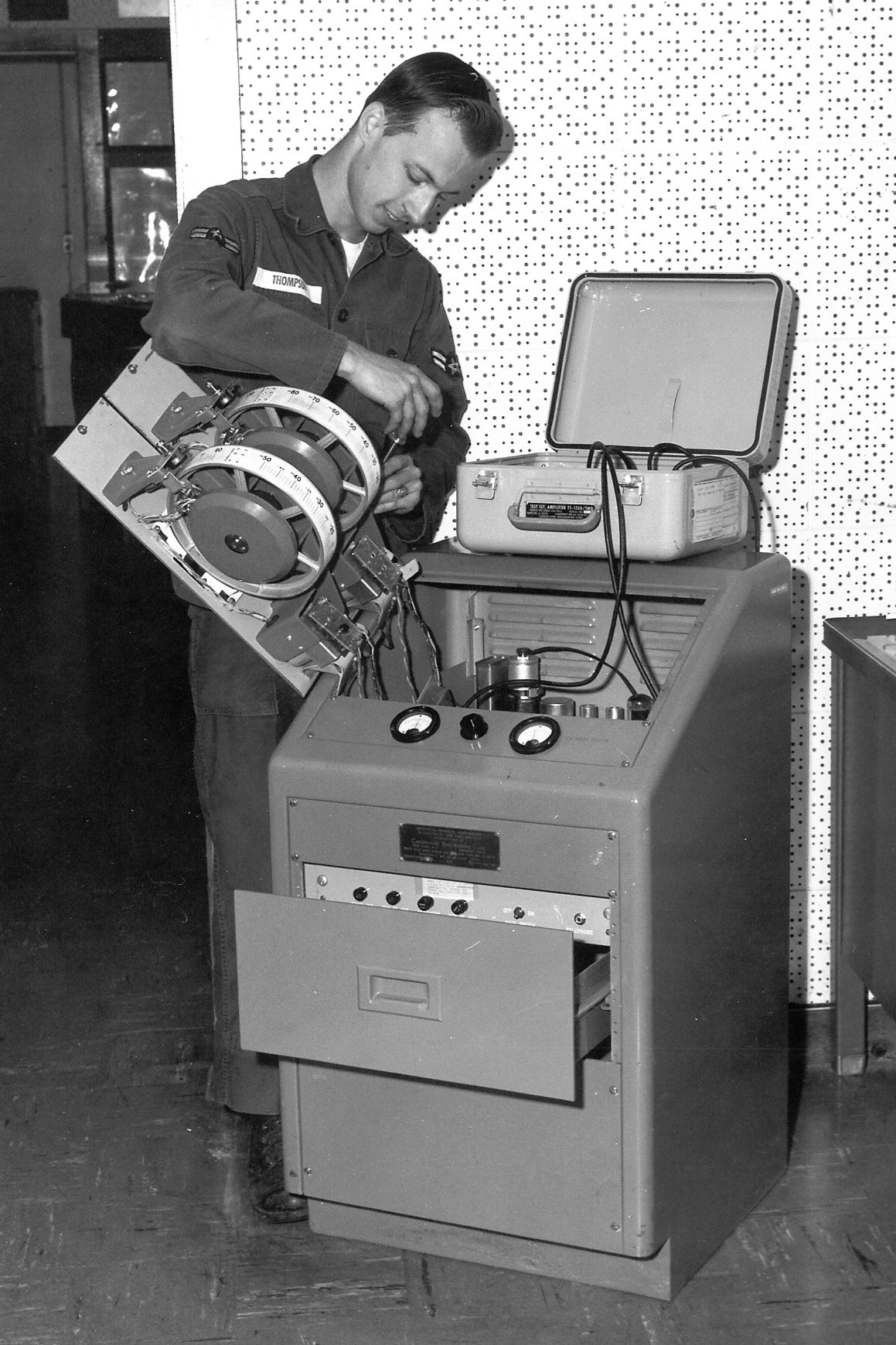
Air Weather Service • U.S. Air Force • 1962