
Opening branch overview
Building the branch home surface
Loading branch highlights, featured unit context, and gallery moments.
Overview
Members
Units
Building the branch home surface
Loading branch highlights, featured unit context, and gallery moments.
Building the branch units surface
Loading unit filters, rankings, and the branch unit grid.

1 members•1 unit
Relive and share the memories of your service-time with your brothers and sisters in arms today. VetFriends.com can help you reconnect.
Did you proudly serve in the FB111 flight simulator?
Are you looking for someone who is or was in the FB111 flight simulator?
Do you have FB111 flight simulator photos you'd like to share?
Then join a community with your brothers and sisters of the FB111 flight simulator.
Branch
U.S. Air Force
Members
1
The FB111 Flight Simulator unit was established during the 1970s to support training for aircrews assigned to the General Dynamics FB-111A strategic bomber, a key asset in the United States Air Force’s Strategic Air Command. The simulator provided realistic training environments, allowing pilots and navigators to practice complex bombing missions, electronic warfare, and emergency procedures without risking actual aircraft or crew. Over the years, advancements in simulator technology increased training effectiveness and contributed to the operational readiness of FB-111A squadrons. With the eventual retirement of the FB-111A in the early 1990s, the flight simulator unit was decommissioned, having played a vital role in preparing crews for Cold War deterrence missions.
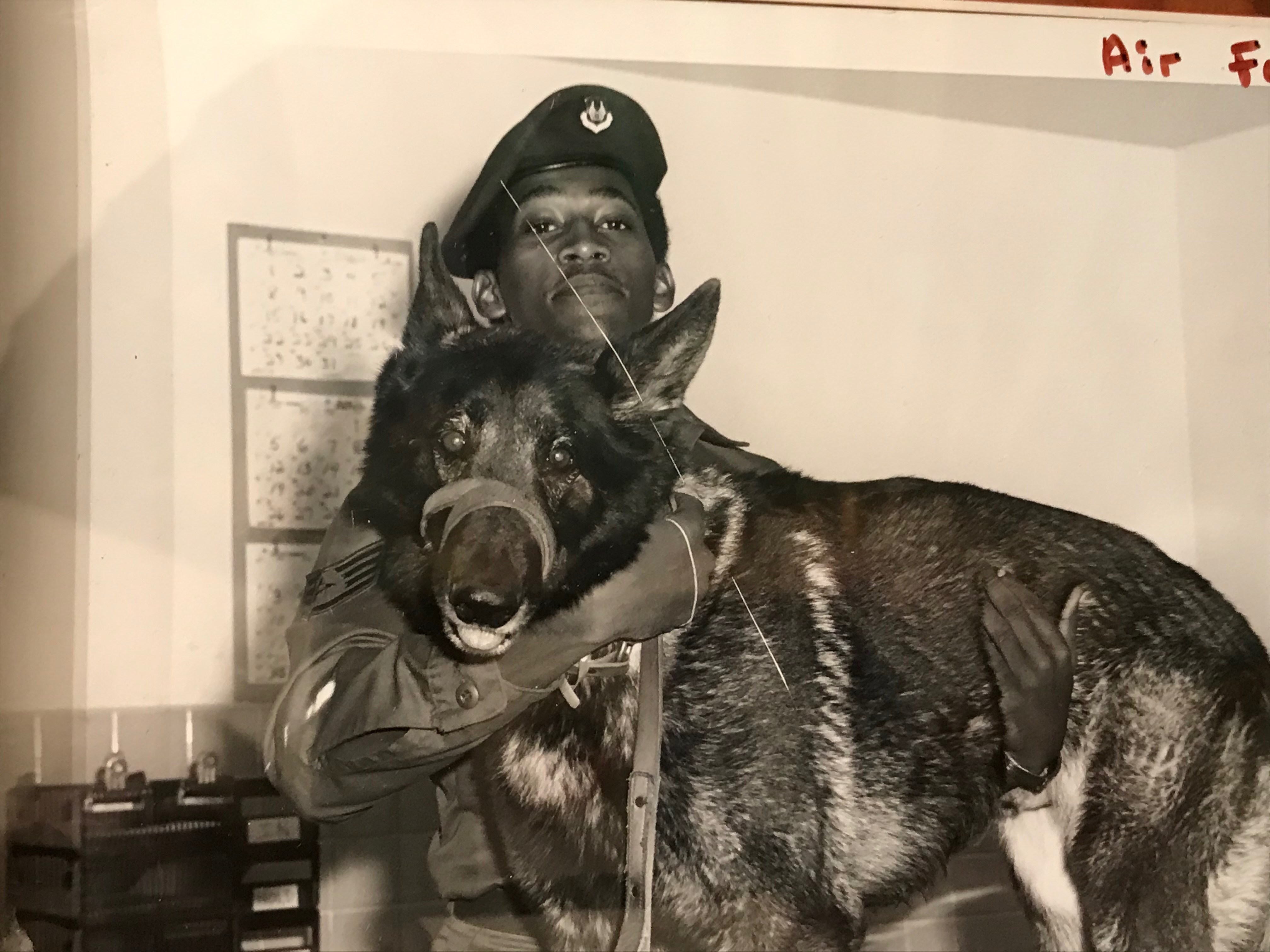
U.S. Air Force
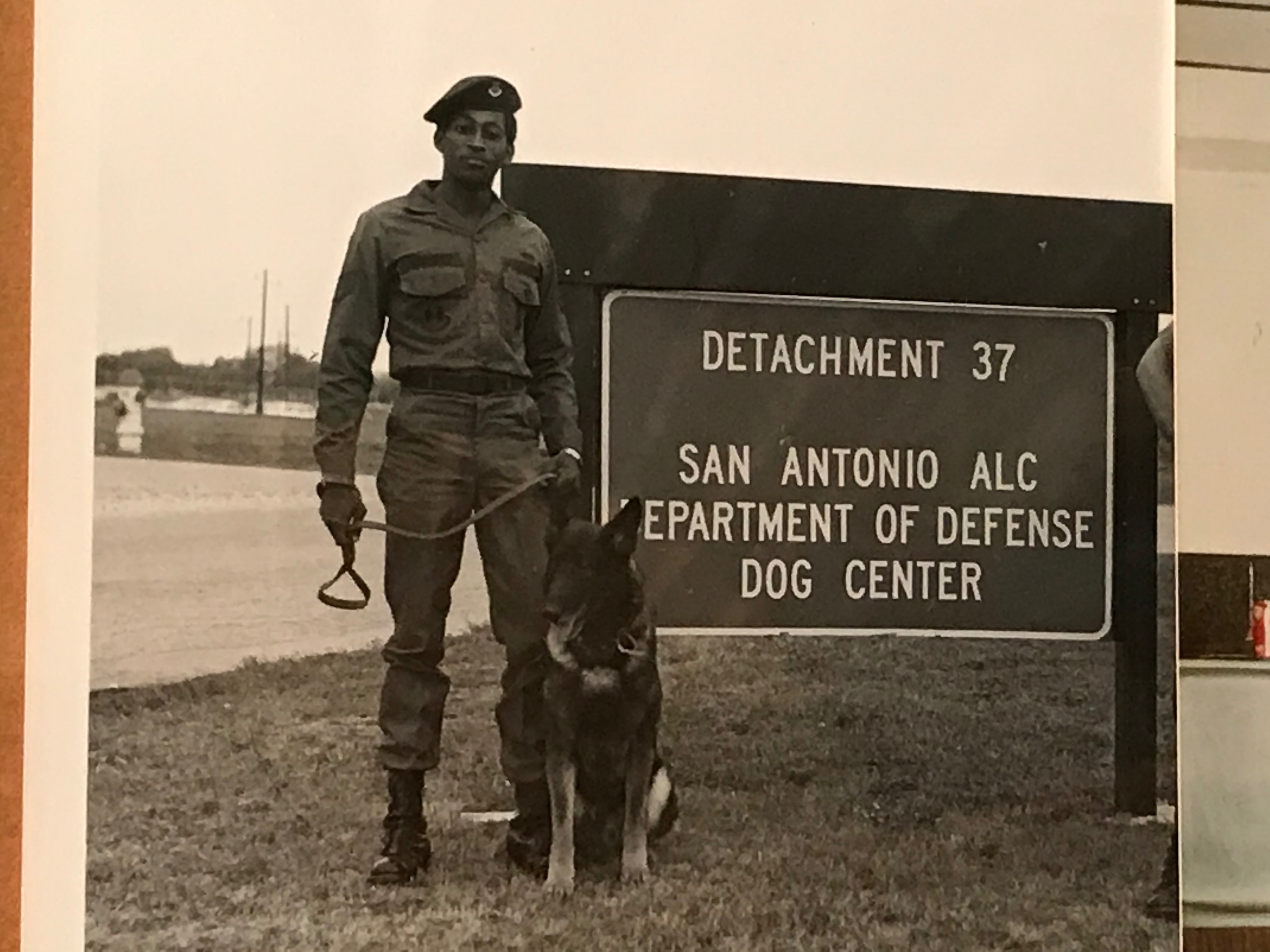
U.S. Air Force
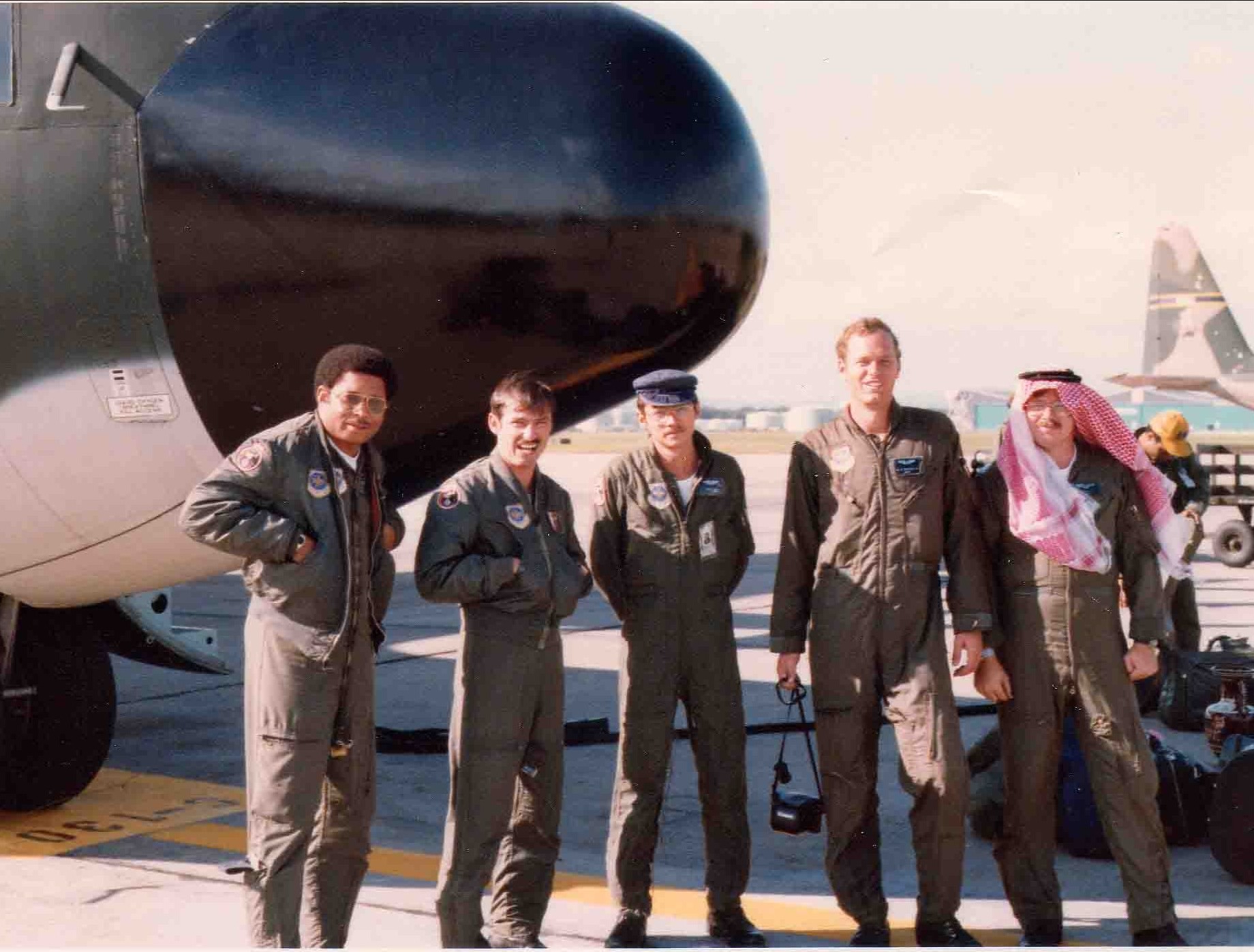
773 TAS • U.S. Air Force • 1979
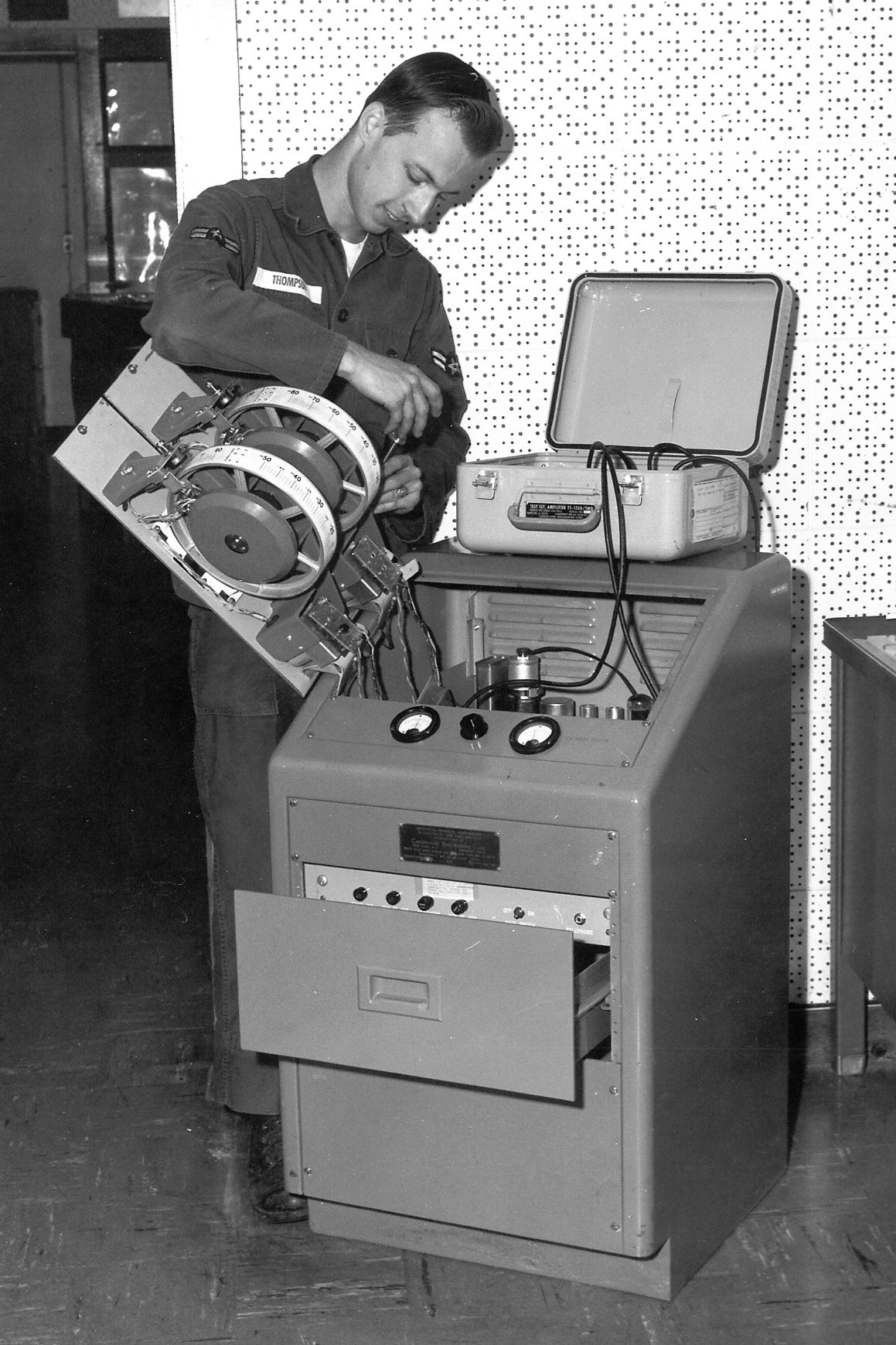
Air Weather Service • U.S. Air Force • 1962