
Opening branch overview
Building the branch home surface
Loading branch highlights, featured unit context, and gallery moments.
Overview
Members
Units
Building the branch home surface
Loading branch highlights, featured unit context, and gallery moments.
Building the branch units surface
Loading unit filters, rankings, and the branch unit grid.

4 members•1 unit
Relive and share the memories of your service-time with your brothers and sisters in arms today. VetFriends.com can help you reconnect.
Did you proudly serve in the Duluth Air Force Base?
Are you looking for someone who is or was in the Duluth Air Force Base?
Do you have Duluth Air Force Base photos you'd like to share?
Then join a community with your brothers and sisters of the Duluth Air Force Base.
Branch
U.S. Air Force
Members
4
Duluth Air Force Base, located near Duluth, Minnesota, was established in 1948 as a critical site for air defense during the early years of the Cold War. Initially operated by the Air Defense Command, the base hosted several fighter-interceptor squadrons, including the 11th Fighter Interceptor Squadron, responsible for protecting the upper Midwest from potential Soviet bomber attacks. Throughout its operational years, Duluth AFB was equipped with advanced radar and missile systems, playing a key role in the North American Aerospace Defense Command (NORAD) network. The base was eventually closed in 1983, with its facilities transitioning to civilian use as Duluth International Airport.
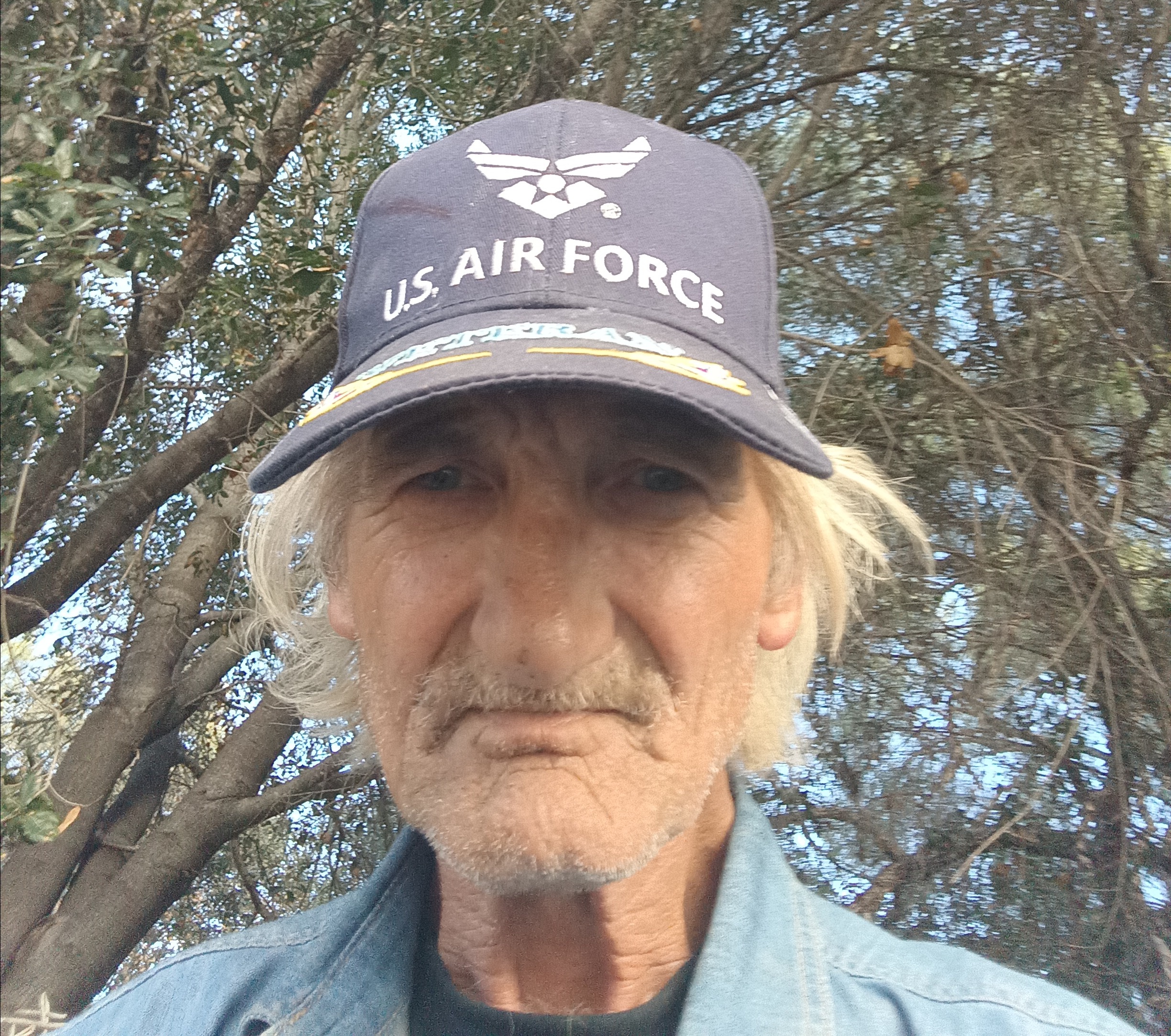
U.S. Air Force

U.S. Air Force
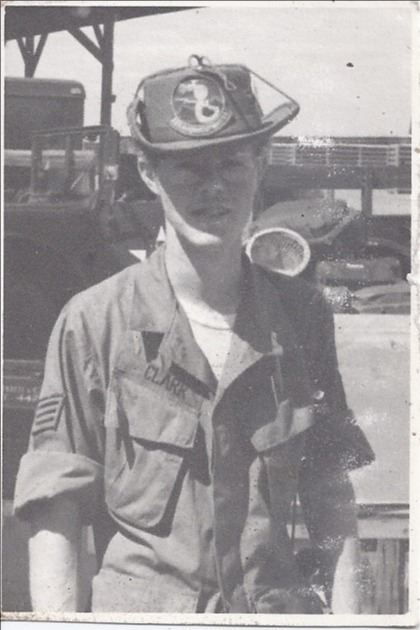
388 AMS • U.S. Air Force • 1972

831st Services Squadron • U.S. Air Force • 2026