
Opening branch overview
Building the branch home surface
Loading branch highlights, featured unit context, and gallery moments.
Overview
Members
Units
Building the branch home surface
Loading branch highlights, featured unit context, and gallery moments.
Building the branch units surface
Loading unit filters, rankings, and the branch unit grid.

1 members•1 unit
Relive and share the memories of your service-time with your brothers and sisters in arms today. VetFriends.com can help you reconnect.
Did you proudly serve in the Det199?
Are you looking for someone who is or was in the Det199?
Do you have Det199 photos you'd like to share?
Then join a community with your brothers and sisters of the Det199.
Branch
U.S. Air Force
Members
1
**Detachment 199 (Det199) Military History:** Detachment 199 (Det199) was established during the late stages of the Cold War as a specialized support unit within the United States Air Force. Originally organized to provide advanced electronic warfare and signals intelligence capabilities, Det199 played a pivotal role in several classified reconnaissance operations throughout the 1980s and 1990s. The unit was often deployed in support of larger task forces, contributing crucial intelligence and technical expertise during both peacetime and contingency operations. Over time, Det199’s mission and structure evolved, integrating cutting-edge technology and eventually being absorbed into a larger intelligence organization as part of a broader force modernization effort.
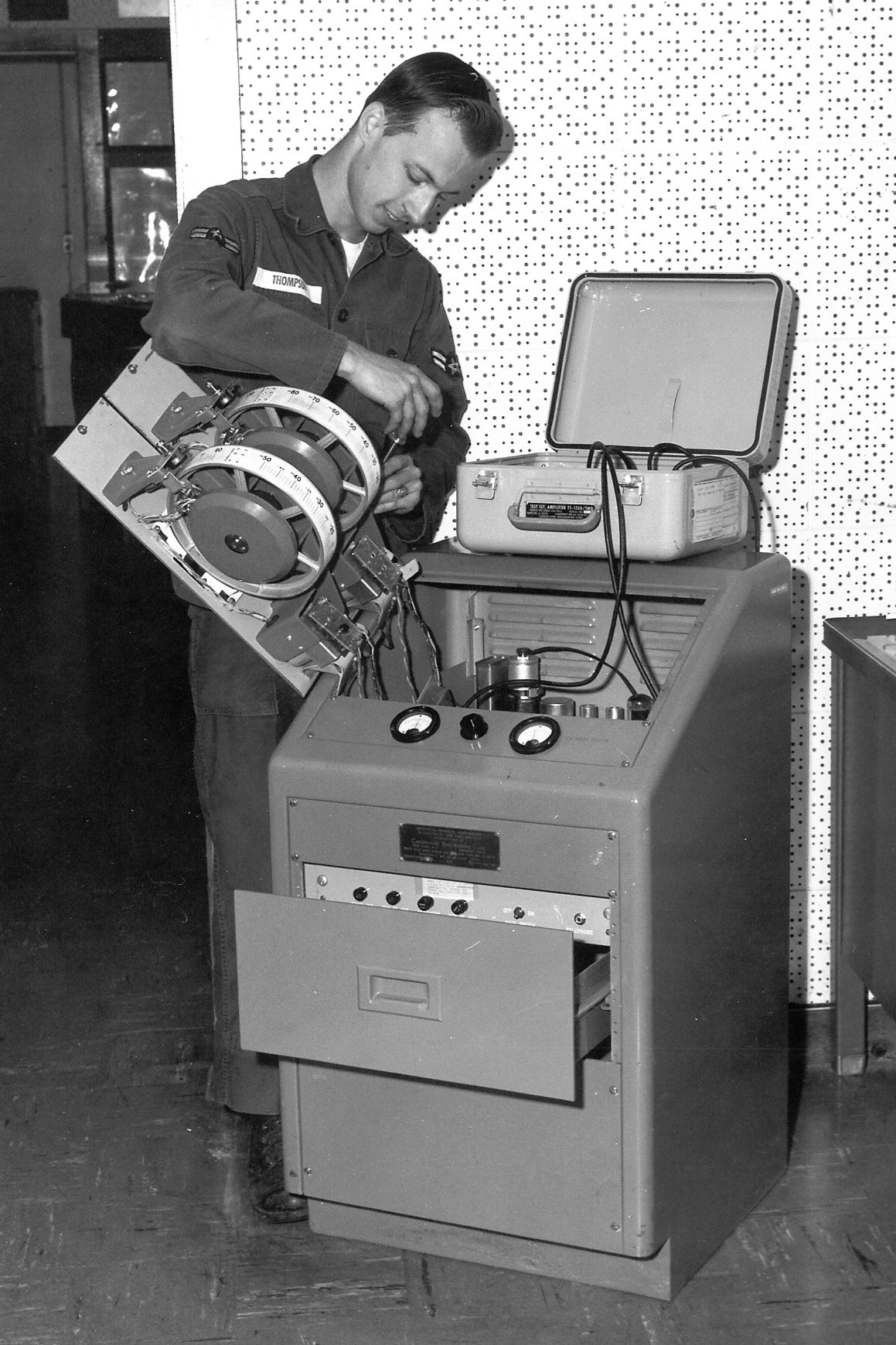
Air Weather Service • U.S. Air Force • 1962

U.S. Air Force
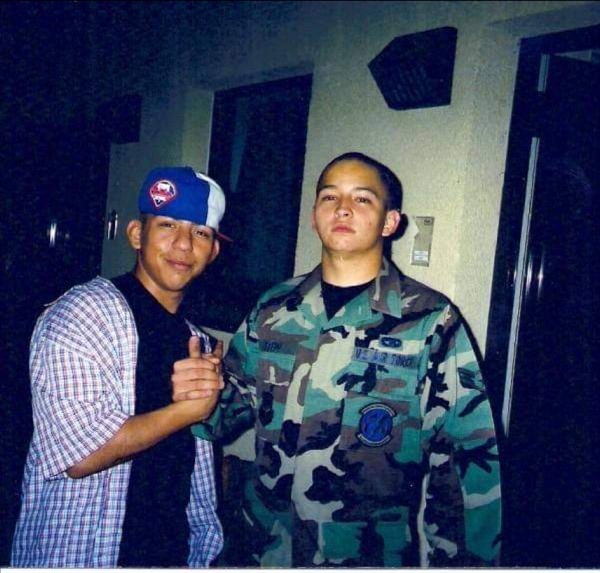
U.S. Air Force
U.S. Air Force • 1972