
Opening branch overview
Building the branch home surface
Loading branch highlights, featured unit context, and gallery moments.
Overview
Members
Units
Building the branch home surface
Loading branch highlights, featured unit context, and gallery moments.
Building the branch units surface
Loading unit filters, rankings, and the branch unit grid.

37 members•1 unit
Relive and share the memories of your service-time with your brothers and sisters in arms today. VetFriends.com can help you reconnect.
Did you proudly serve in the Cryptologic Support System (CPSG)?
Are you looking for someone who is or was in the Cryptologic Support System (CPSG)?
Do you have Cryptologic Support System (CPSG) photos you'd like to share?
Then join a community with your brothers and sisters of the Cryptologic Support System (CPSG).
Branch
U.S. Air Force
Members
37
The Cryptologic Support Group (CPSG), sometimes referred to as the Cryptologic Support System, was established by the United States Air Force to provide specialized cryptologic and signals intelligence (SIGINT) support to combat operations. Activated during the late 20th century, the CPSG played a crucial role in integrating national-level intelligence with tactical operations, particularly during conflicts such as the Gulf War. The unit's personnel, often embedded with deployed forces, enabled real-time intelligence sharing and enhanced situational awareness on the battlefield. Over time, the CPSG's mission and elements were absorbed into broader Air Force and joint cryptologic units as intelligence support structures evolved.
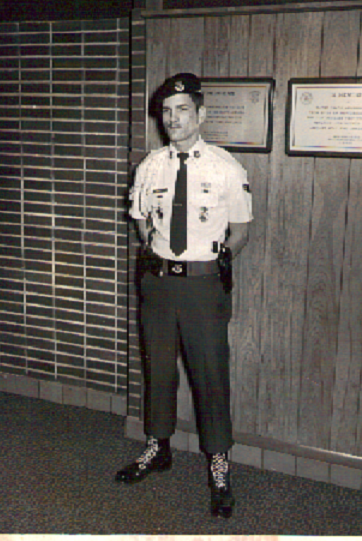
6960th • U.S. Air Force • 1982
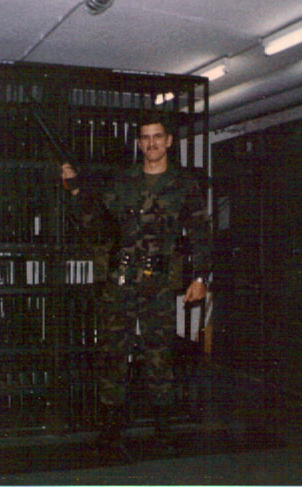
6913th • U.S. Air Force • 1983
6960th • U.S. Air Force • 1981
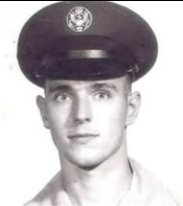
661st Air Force Band ( AFLC ) • U.S. Air Force • 1972