
Opening branch overview
Building the branch home surface
Loading branch highlights, featured unit context, and gallery moments.
Overview
Members
Units
Building the branch home surface
Loading branch highlights, featured unit context, and gallery moments.
Building the branch units surface
Loading unit filters, rankings, and the branch unit grid.

14 members•1 unit
Relive and share the memories of your service-time with your brothers and sisters in arms today. VetFriends.com can help you reconnect.
Did you proudly serve in the Commander Carrier Group 4?
Are you looking for someone who is or was in the Commander Carrier Group 4?
Do you have Commander Carrier Group 4 photos you'd like to share?
Then join a community with your brothers and sisters of the Commander Carrier Group 4.
Branch
U.S. Air Force
Members
14
Commander, Carrier Group 4 (CCG-4)—now known as Commander, Carrier Strike Group Four (CSG-4)—was established in 1973 to provide operational training and readiness oversight for Atlantic Fleet carrier strike groups and amphibious forces. Originally responsible for the tactical training and certification of carrier battle groups, CCG-4 played a crucial role in preparing naval forces for deployment during the Cold War and beyond. The unit’s mission included overseeing large-scale exercises, integrated warfare training, and ensuring readiness for combat operations. Renamed CSG-4 in 2004 to reflect evolving naval organization, the command continues to serve as the primary training authority for U.S. Navy strike groups deploying from the East Coast.
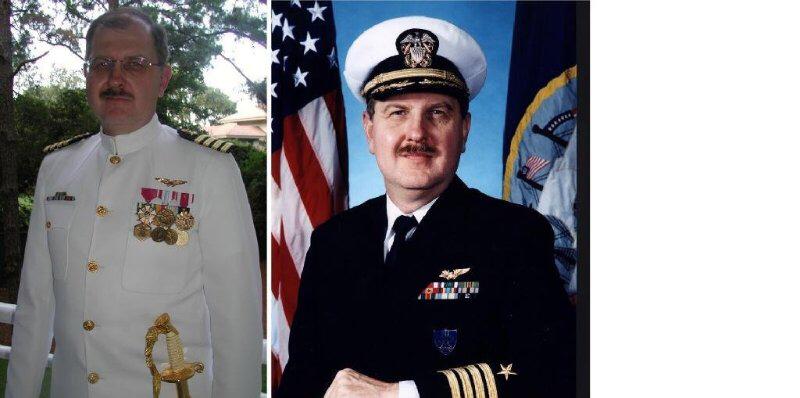
U.S. Navy
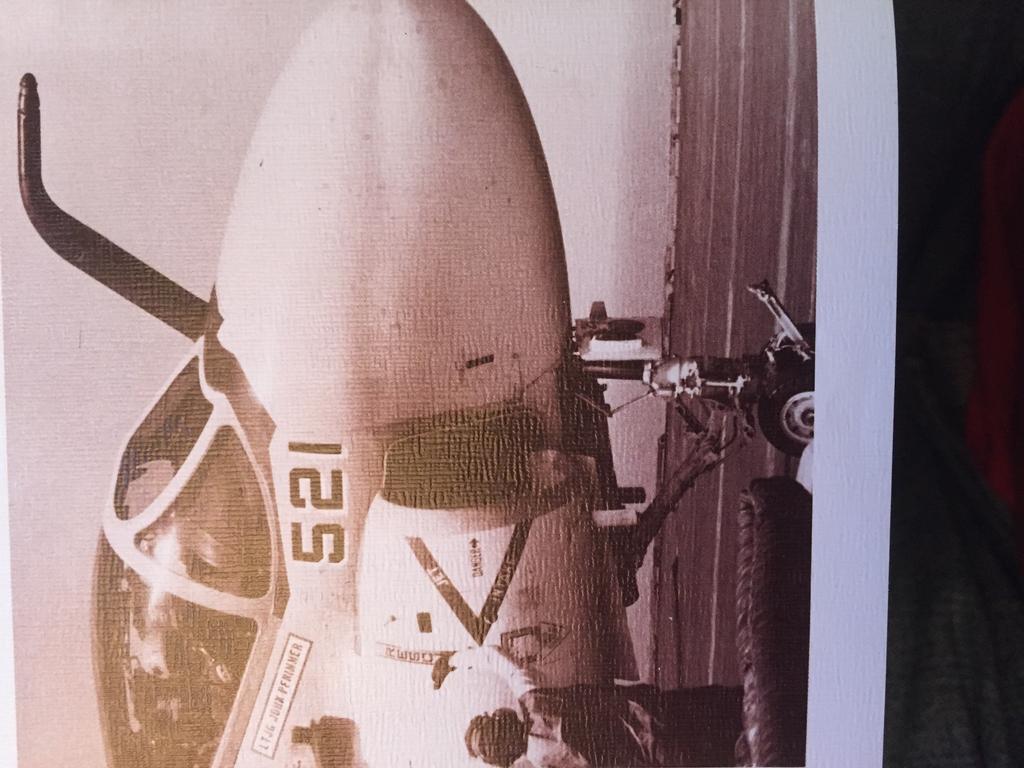
U.S. Navy
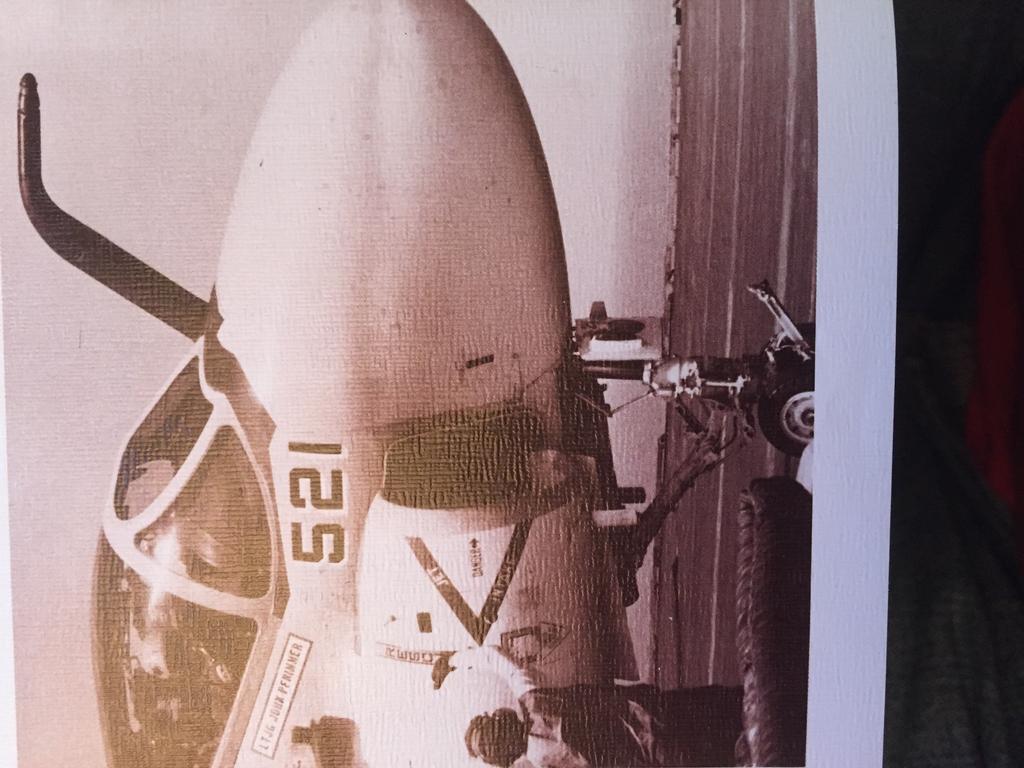
U.S. Navy
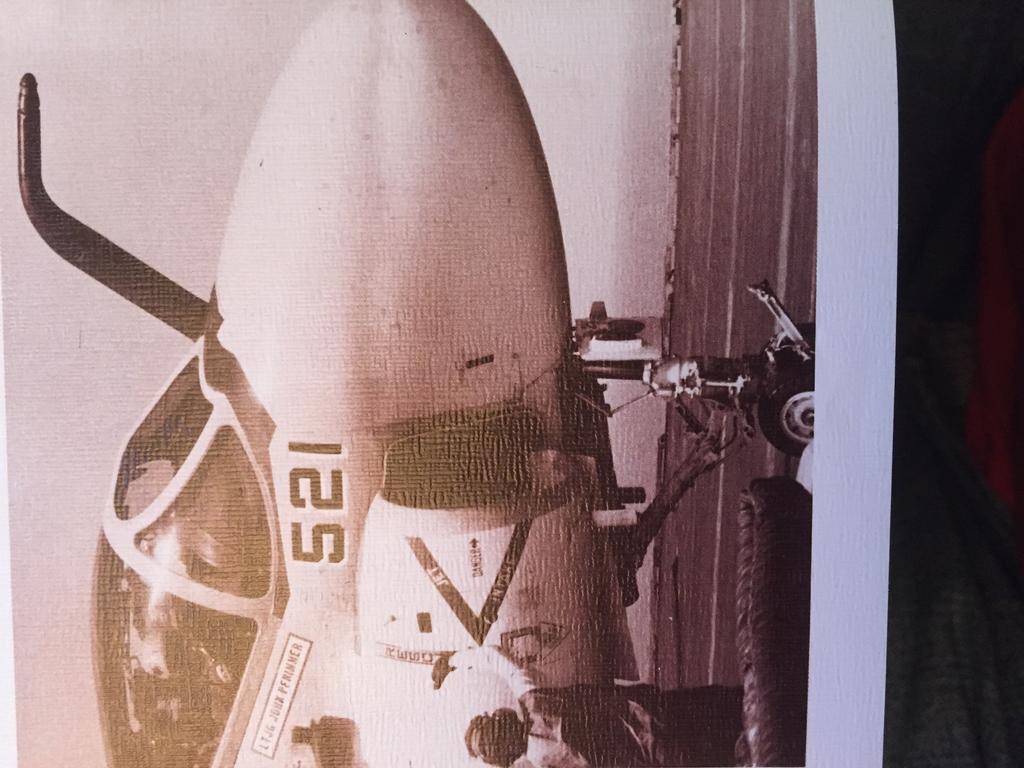
U.S. Navy