
Opening branch overview
Building the branch home surface
Loading branch highlights, featured unit context, and gallery moments.
Overview
Members
Units
Building the branch home surface
Loading branch highlights, featured unit context, and gallery moments.
Building the branch units surface
Loading unit filters, rankings, and the branch unit grid.

38 members•1 unit
Relive and share the memories of your service-time with your brothers and sisters in arms today. VetFriends.com can help you reconnect.
Did you proudly serve in the Comm group Randolph AFB?
Are you looking for someone who is or was in the Comm group Randolph AFB?
Do you have Comm group Randolph AFB photos you'd like to share?
Then join a community with your brothers and sisters of the Comm group Randolph AFB.
Branch
U.S. Air Force
Members
38
The Communications Group at Randolph Air Force Base, Texas, has a distinguished history of providing vital communications support to the United States Air Force. Originally established to ensure secure and reliable communications for the base's operations, the unit has evolved with advancing technology, supporting both local and global missions. Over the decades, the Communications Group has played a key role in training, command and control, and information assurance for Air Education and Training Command and its associated units. Their commitment to excellence has helped maintain Randolph AFB's reputation as the "Showplace of the Air Force."
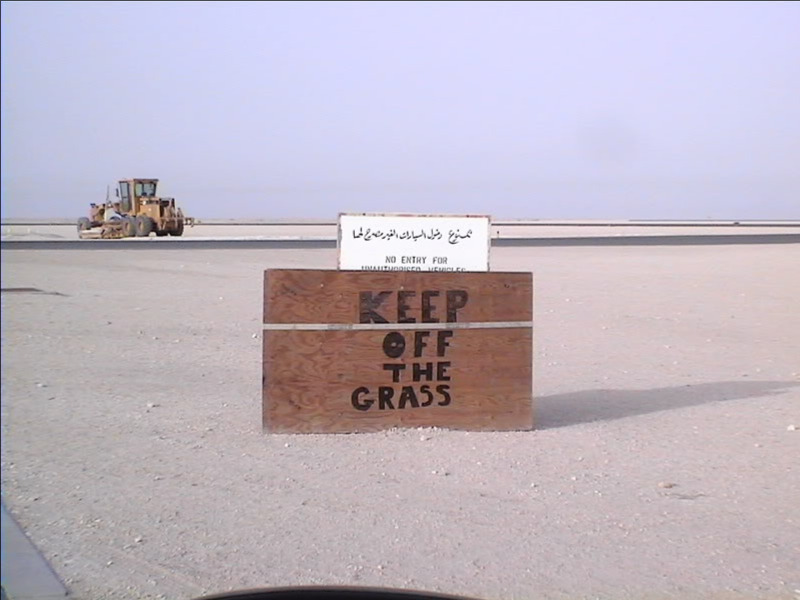
U.S. Air Force • 2004
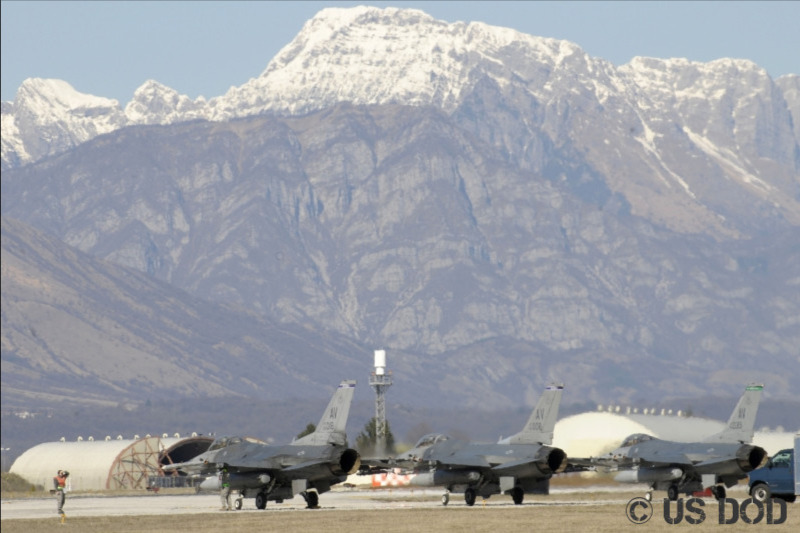
31 MXS • U.S. Air Force

U.S. Air Force • 1982
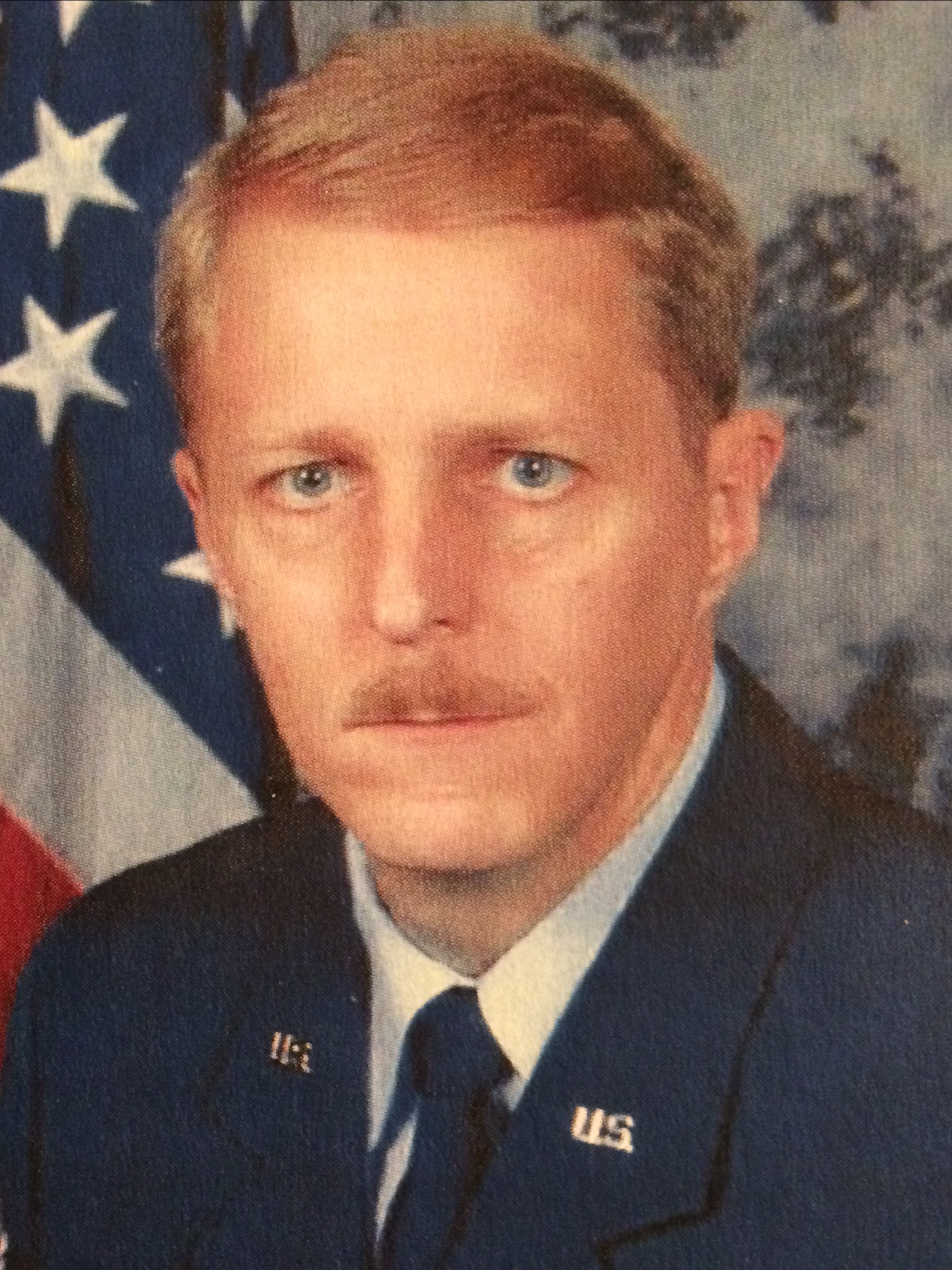
U.S. Air Force • 2001