
Opening branch overview
Building the branch home surface
Loading branch highlights, featured unit context, and gallery moments.
Overview
Members
Units
Building the branch home surface
Loading branch highlights, featured unit context, and gallery moments.
Building the branch units surface
Loading unit filters, rankings, and the branch unit grid.

U.S. Air Force•114 members
Relive and share the memories of your service-time with your brothers and sisters in arms today. VetFriends.com can help you reconnect.
Did you proudly serve in the Clark AF Base - Philippines?
Are you looking for someone who is or was in the Clark AF Base - Philippines?
Do you have Clark AF Base - Philippines photos you'd like to share?
Then join a community with your brothers and sisters of the Clark AF Base - Philippines.
Clark Air Force Base, located on Luzon Island in the Philippines, was established as Fort Stotsenburg in 1903 and became a key U.S. military installation in the Pacific. During World War II, the base was a focal point of the initial Japanese attack following Pearl Harbor and was occupied by Japanese forces until its liberation in 1945. Throughout the Cold War and Vietnam War, Clark served as a major logistics, maintenance, and command center for U.S. Air Force operations in Southeast Asia. The base remained a vital hub for regional security until it was evacuated and handed over to the Philippine government following the eruption of Mount Pinatubo in 1991.
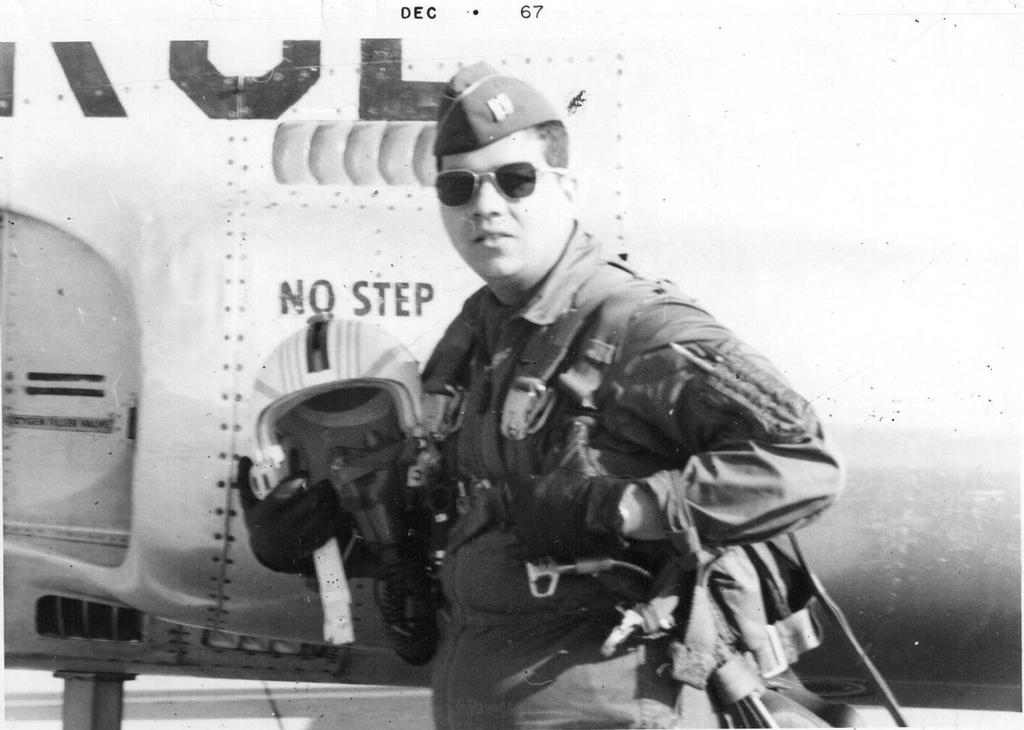
U.S. Air Force
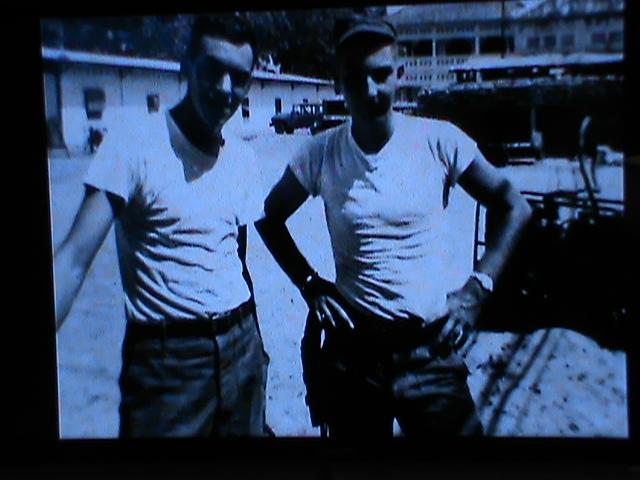
U.S. Air Force • 1965

U.S. Air Force • 1965
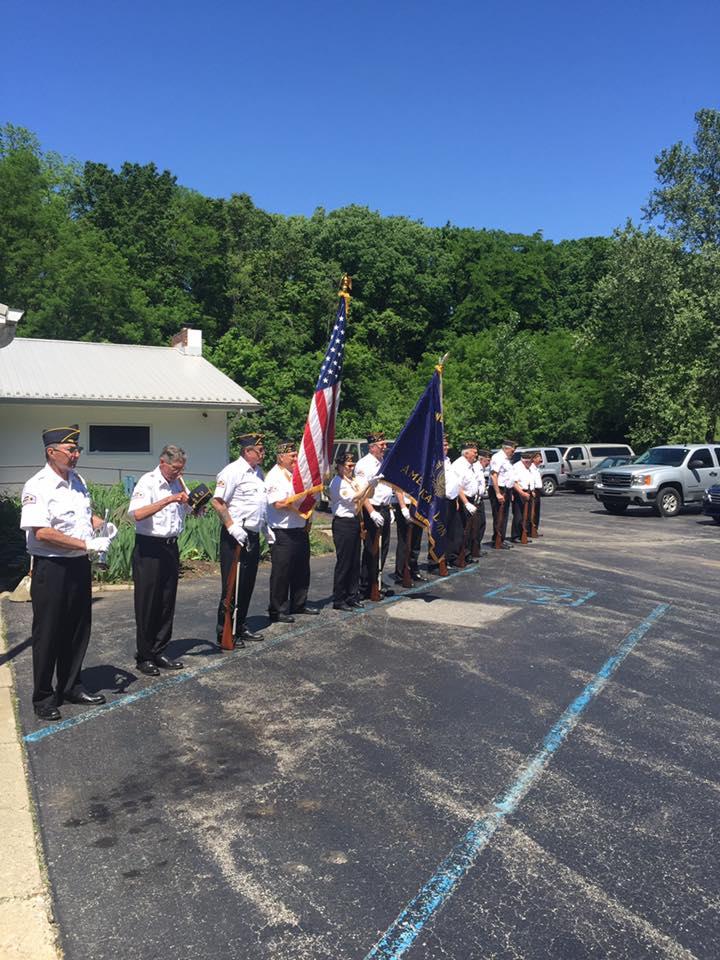
U.S. Air Force • 1965