
Opening branch overview
Building the branch home surface
Loading branch highlights, featured unit context, and gallery moments.
Overview
Members
Units
Building the branch home surface
Loading branch highlights, featured unit context, and gallery moments.
Building the branch units surface
Loading unit filters, rankings, and the branch unit grid.

2 members•1 unit
Relive and share the memories of your service-time with your brothers and sisters in arms today. VetFriends.com can help you reconnect.
Did you proudly serve in the CAP?
Are you looking for someone who is or was in the CAP?
Do you have CAP photos you'd like to share?
Then join a community with your brothers and sisters of the CAP.
Branch
U.S. Air Force
Members
2
**Civil Air Patrol (CAP) Military History:** The Civil Air Patrol (CAP) was founded on December 1, 1941, just days before the attack on Pearl Harbor, as a civilian auxiliary of the U.S. Army Air Forces. During World War II, CAP pilots flew anti-submarine patrols, search and rescue missions, and courier flights along the American coastline, contributing to homeland security and saving countless lives. In 1948, CAP was designated as the official auxiliary of the newly formed United States Air Force, expanding its missions to include aerospace education and cadet training. Today, CAP continues its legacy as a volunteer organization, supporting emergency services, disaster relief, and youth development across the nation.
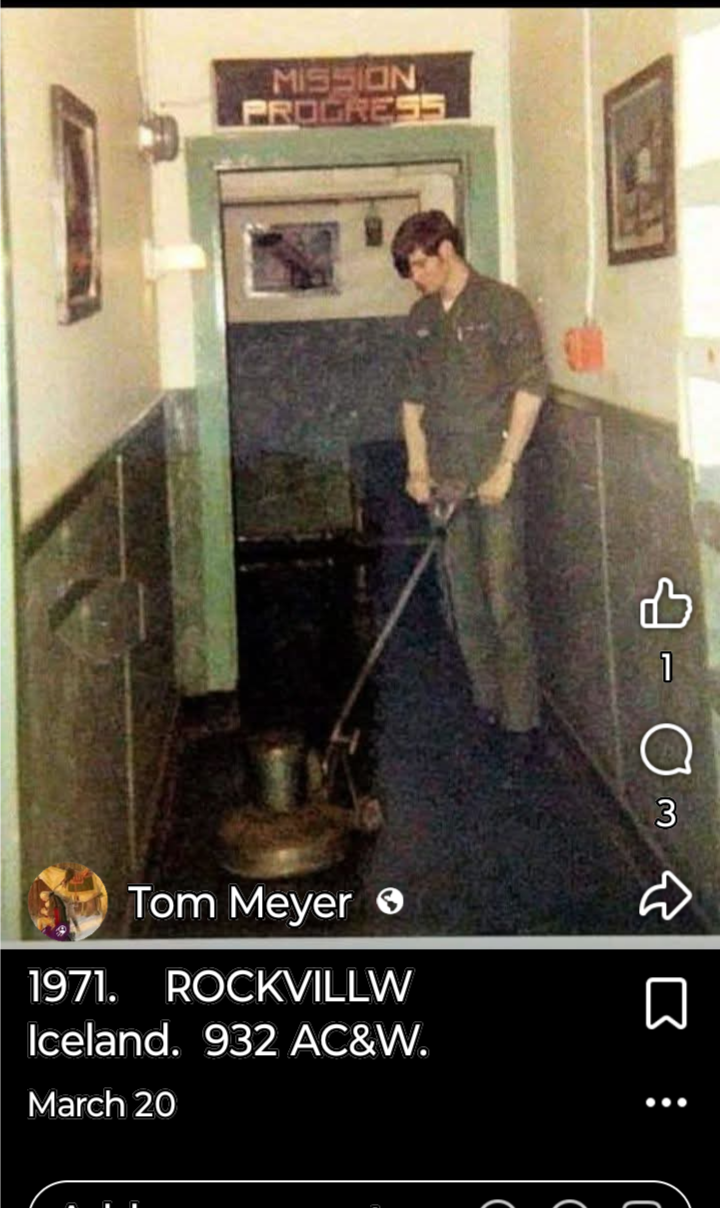
U.S. Air Force • 1971
U.S. Air Force
U.S. Air Force
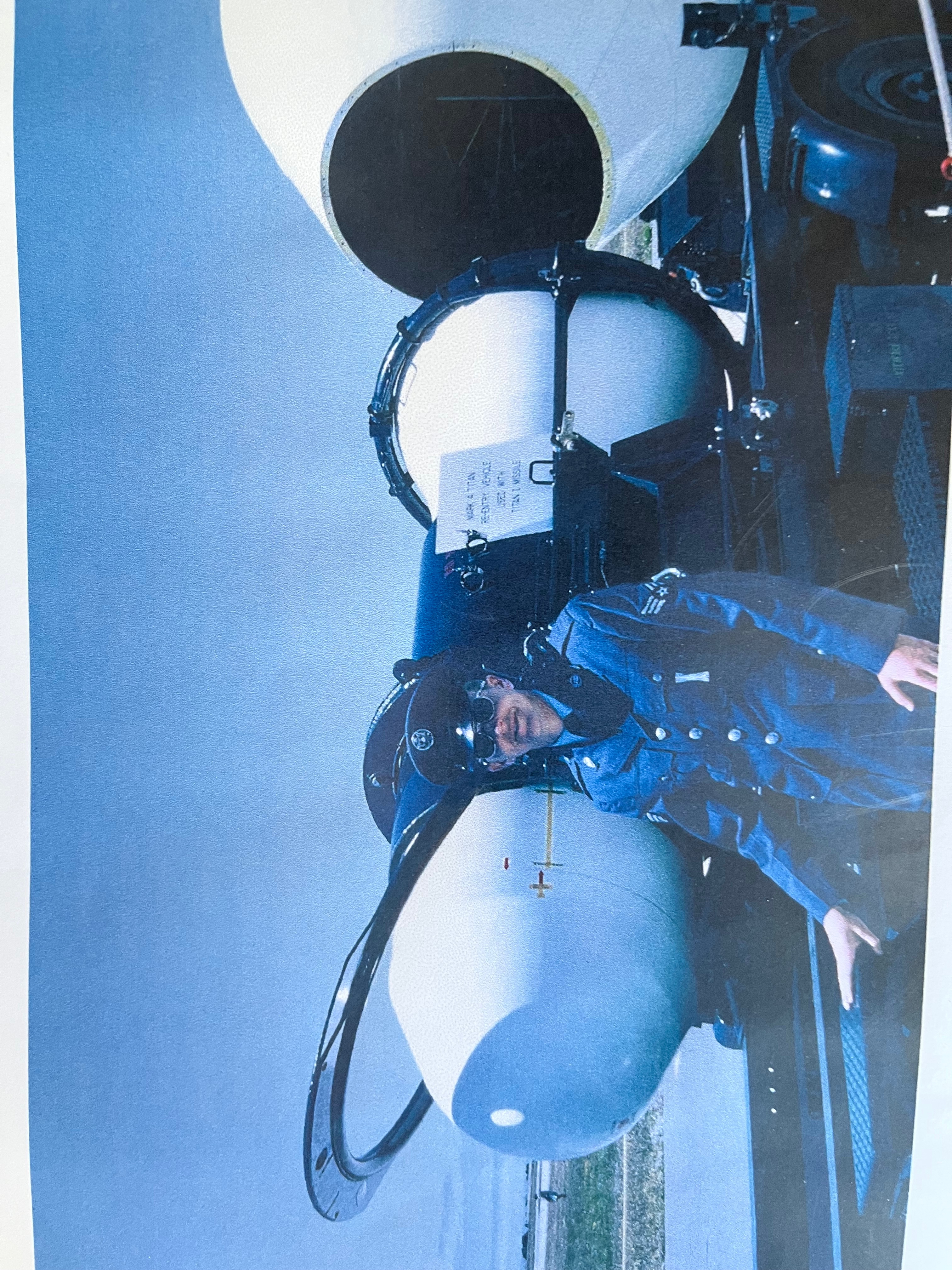
51st MMS (SAC) • U.S. Air Force • 1963