
Opening branch overview
Building the branch home surface
Loading branch highlights, featured unit context, and gallery moments.
Overview
Members
Units
Building the branch home surface
Loading branch highlights, featured unit context, and gallery moments.
Building the branch units surface
Loading unit filters, rankings, and the branch unit grid.

37 members•1 unit
Relive and share the memories of your service-time with your brothers and sisters in arms today. VetFriends.com can help you reconnect.
Did you proudly serve in the C Company 6th Special Forces Group?
Are you looking for someone who is or was in the C Company 6th Special Forces Group?
Do you have C Company 6th Special Forces Group photos you'd like to share?
Then join a community with your brothers and sisters of the C Company 6th Special Forces Group.
Branch
U.S. Air Force
Members
37
C Company, 6th Special Forces Group (Airborne), was an elite unit of the United States Army Special Forces, activated in 1963 during the height of the Cold War. Its primary mission focused on unconventional warfare, special reconnaissance, and training allied forces, particularly in the Middle East and Southwest Asia. C Company conducted numerous training deployments and advisory missions in countries such as Iran and Jordan, enhancing regional security and U.S. influence. The 6th Special Forces Group, including C Company, was inactivated in 1972 as part of a broader reorganization, but its legacy endures in the ongoing Middle Eastern focus of U.S. Army Special Forces operations.
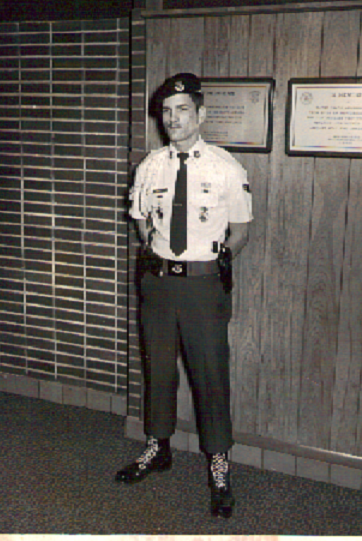
6960th • U.S. Air Force • 1982
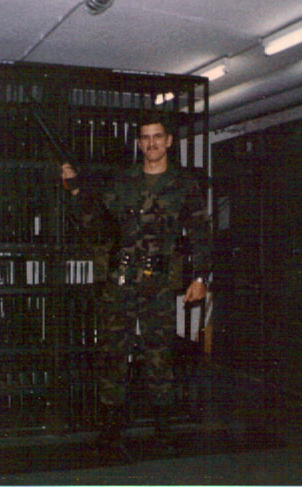
6913th • U.S. Air Force • 1983
6960th • U.S. Air Force • 1981
661st Air Force Band ( AFLC ) • U.S. Air Force • 1972