
Opening branch overview
Building the branch home surface
Loading branch highlights, featured unit context, and gallery moments.
Overview
Members
Units
Building the branch home surface
Loading branch highlights, featured unit context, and gallery moments.
Building the branch units surface
Loading unit filters, rankings, and the branch unit grid.

3 members•1 unit
Relive and share the memories of your service-time with your brothers and sisters in arms today. VetFriends.com can help you reconnect.
Did you proudly serve in the Bellows AFS?
Are you looking for someone who is or was in the Bellows AFS?
Do you have Bellows AFS photos you'd like to share?
Then join a community with your brothers and sisters of the Bellows AFS.
Branch
U.S. Air Force
Members
3
Bellows Air Force Station (AFS), located on the windward side of Oahu, Hawaii, was established in 1917 as part of the Army's coastal defense system during World War I. It was significantly expanded and became Bellows Field in 1933, serving as a key training and staging base for Army Air Forces during World War II, including pilot and glider training operations. The base was bombed during the Japanese attack on December 7, 1941, resulting in casualties and damage. After the war, Bellows transitioned to a support role, eventually becoming a recreational facility for military personnel, while still providing training areas and communications support.
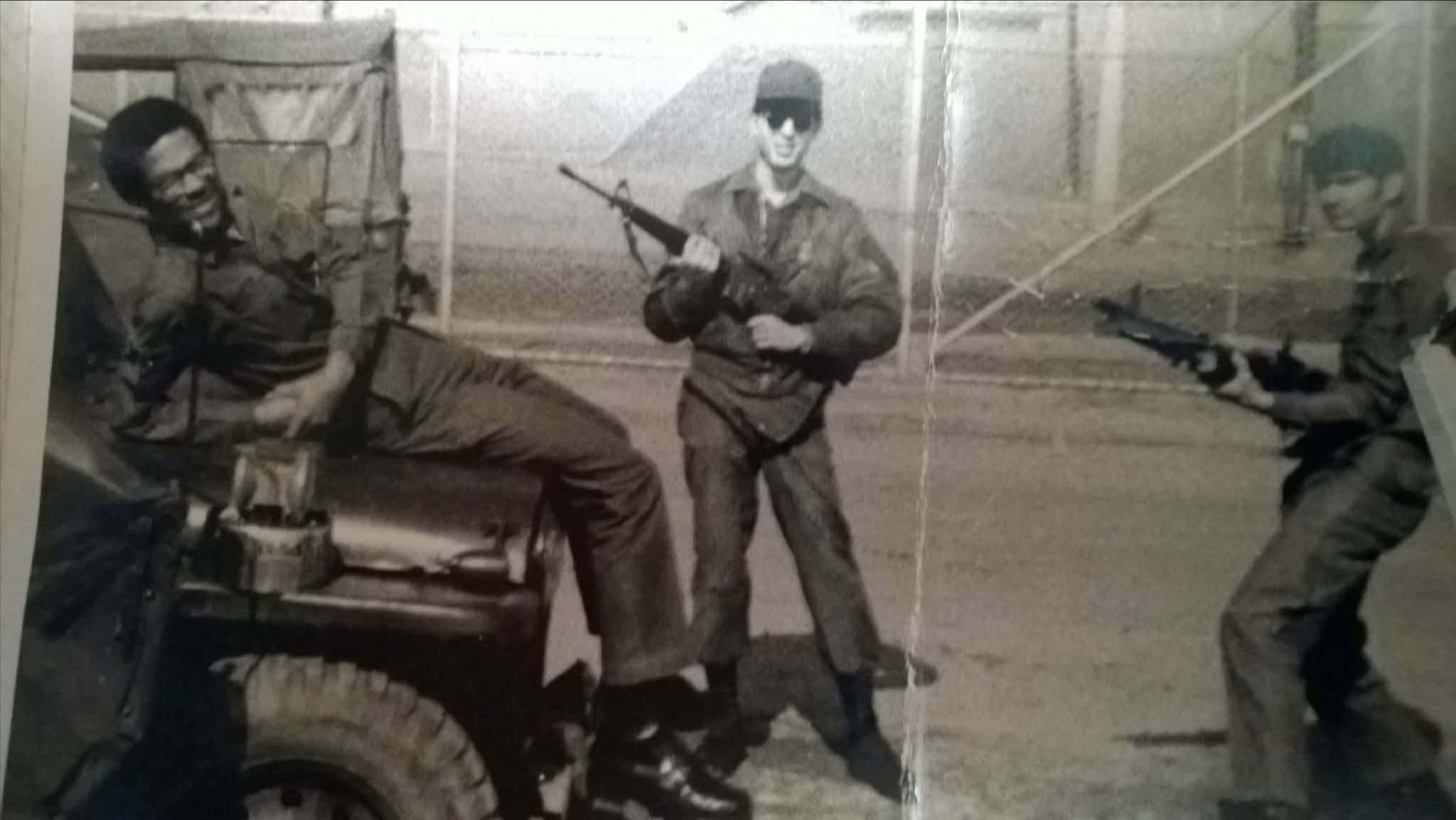
U.S. Air Force • 1972

U.S. Air Force
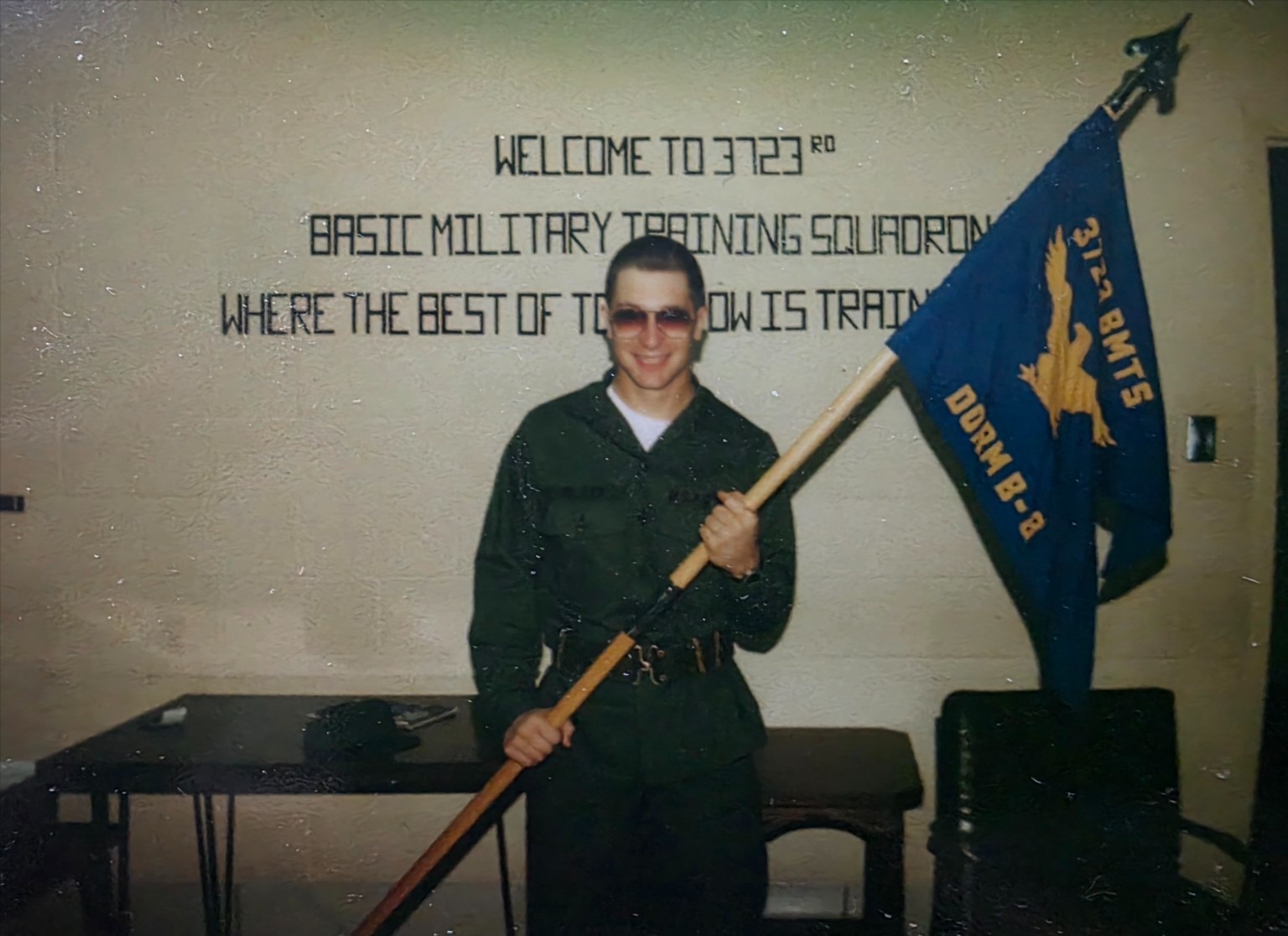
U.S. Air Force

HQ Air University • U.S. Air Force • 2024