
Opening branch overview
Building the branch home surface
Loading branch highlights, featured unit context, and gallery moments.
Overview
Members
Units
Building the branch home surface
Loading branch highlights, featured unit context, and gallery moments.
Building the branch units surface
Loading unit filters, rankings, and the branch unit grid.

U.S. Air Force•3 members
Relive and share the memories of your service-time with your brothers and sisters in arms today. VetFriends.com can help you reconnect.
Did you proudly serve in the Audiovisual Squadron?
Are you looking for someone who is or was in the Audiovisual Squadron?
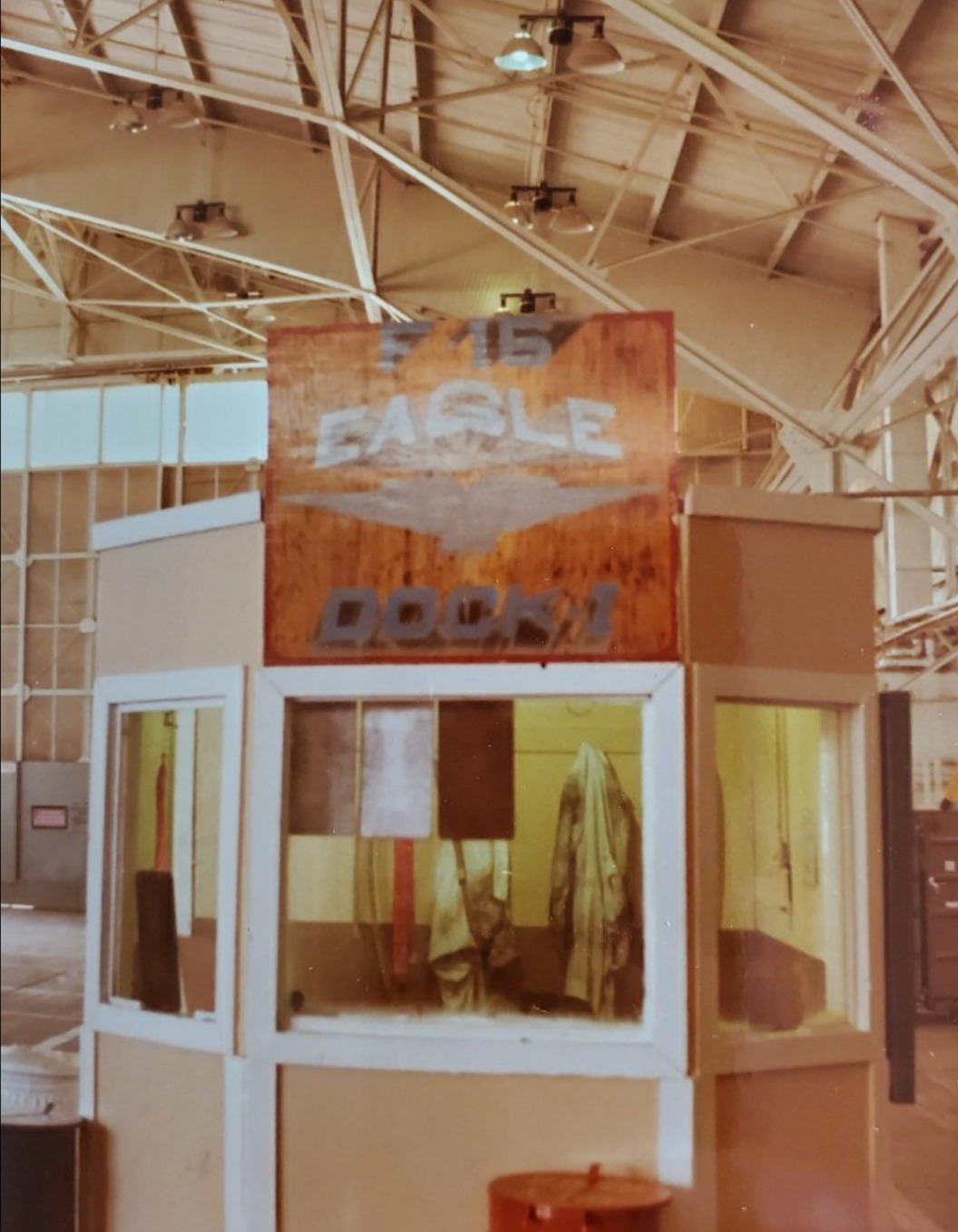
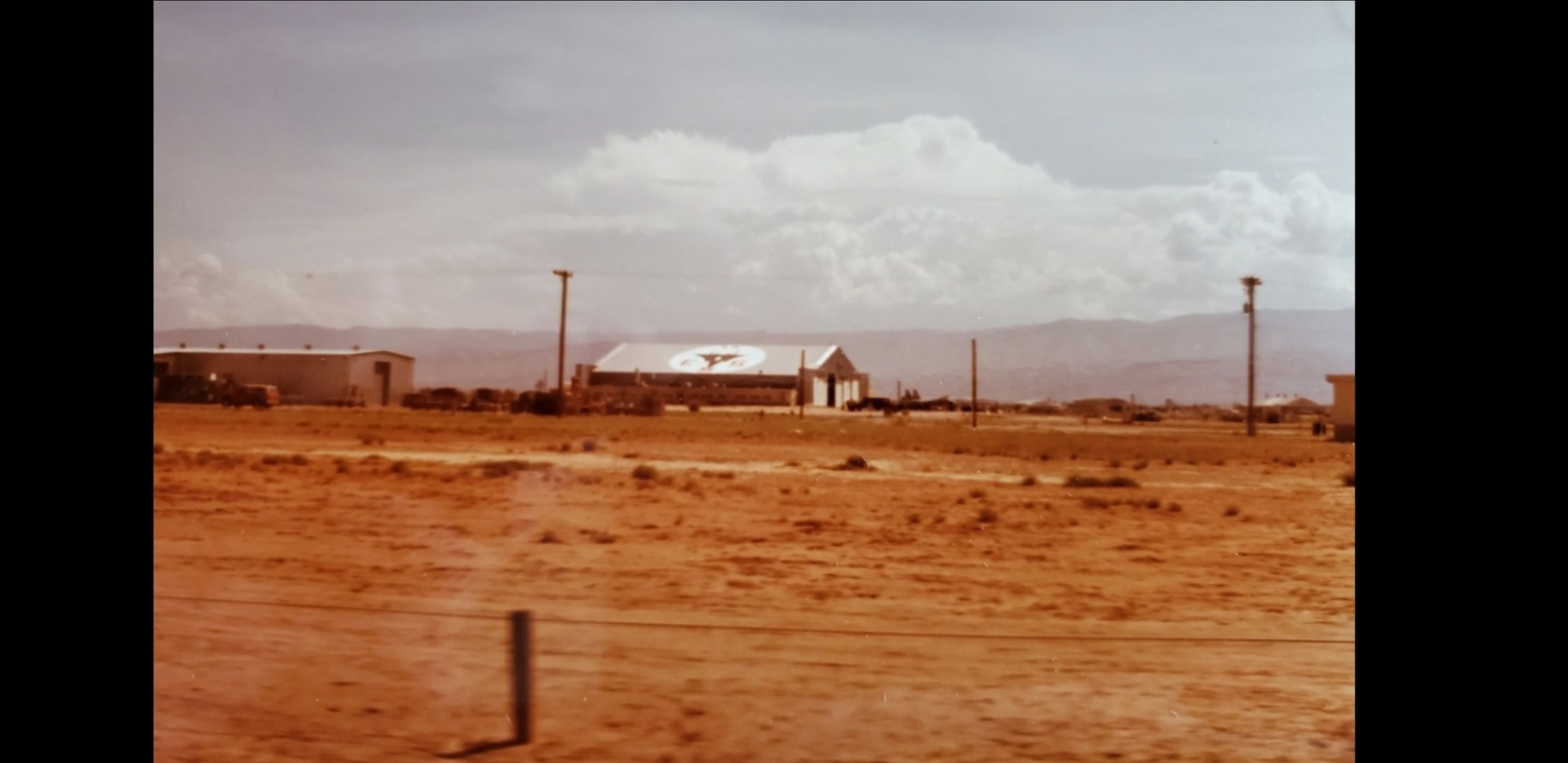
Do you have Audiovisual Squadron photos you'd like to share?
Then join a community with your brothers and sisters of the Audiovisual Squadron.
The Audiovisual Squadron was established in the mid-20th century to provide critical photographic and video documentation for military operations, training, and intelligence purposes. During major conflicts, the unit deployed specialized teams equipped with state-of-the-art cameras and recording equipment to capture battlefield activities and produce reconnaissance imagery. Over the decades, the squadron played a vital role in preserving historical records, supporting psychological operations, and facilitating command decision-making through timely visual intelligence. As technology advanced, the Audiovisual Squadron adapted by integrating digital media and unmanned aerial systems, ensuring its continued relevance in modern military operations.

U.S. Air Force
U.S. Air Force
U.S. Air Force

U.S. Air Force