
Opening branch overview
Building the branch home surface
Loading branch highlights, featured unit context, and gallery moments.
Overview
Members
Units
Building the branch home surface
Loading branch highlights, featured unit context, and gallery moments.
Building the branch units surface
Loading unit filters, rankings, and the branch unit grid.

137 members•1 unit
Relive and share the memories of your service-time with your brothers and sisters in arms today. VetFriends.com can help you reconnect.
Did you proudly serve in the Aircraft Maintenance?
Are you looking for someone who is or was in the Aircraft Maintenance?
Do you have Aircraft Maintenance photos you'd like to share?
Then join a community with your brothers and sisters of the Aircraft Maintenance.
Branch
U.S. Air Force
Members
137
The Aircraft Maintenance unit has played a critical role in military aviation since the early 20th century, ensuring that aircraft are mission-ready and safe for flight. Originating during World War I with small teams dedicated to repairing rudimentary biplanes, the role expanded significantly during World War II as air fleets grew in size and technological complexity. Throughout the Cold War and into the modern era, Aircraft Maintenance units have adapted to new aircraft technologies, from jet engines to stealth systems, requiring advanced technical expertise. Today, these units are vital for sustaining operational tempo, supporting global deployments, and maintaining the air superiority of their respective armed forces.
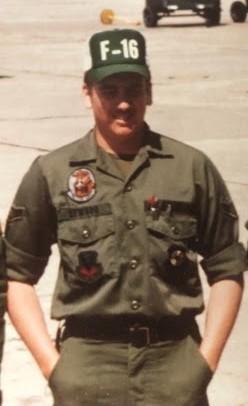
U.S. Air Force
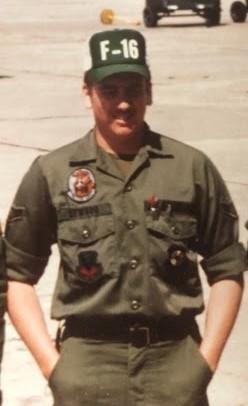
U.S. Air Force
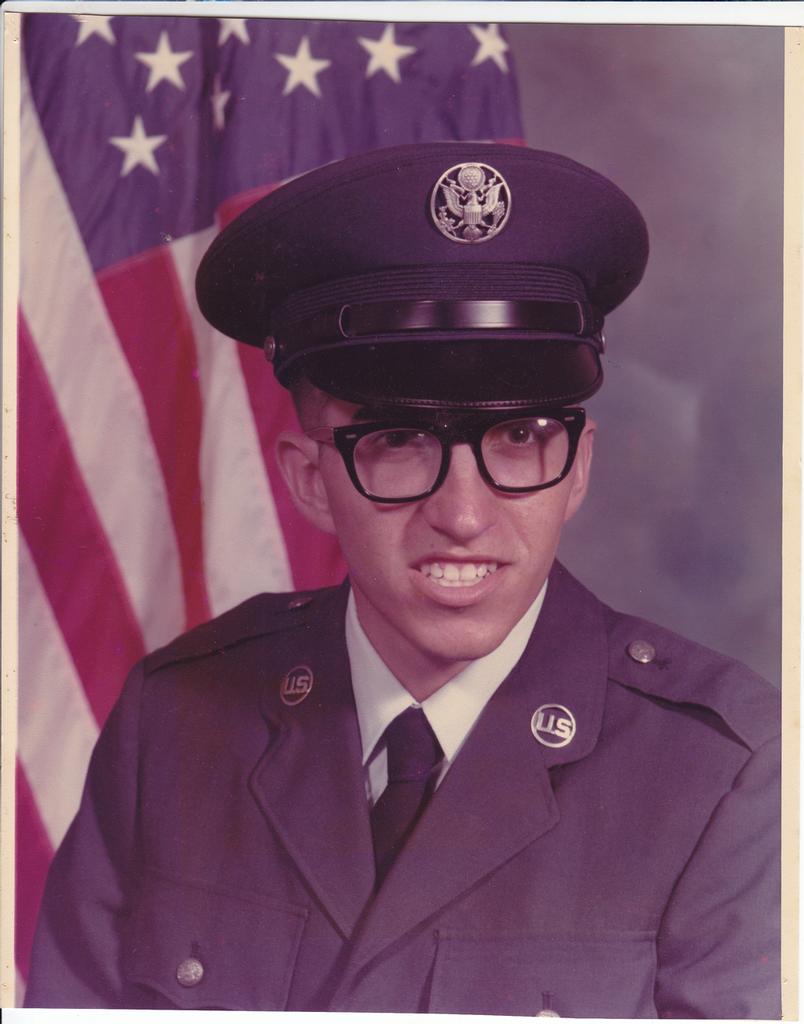
U.S. Air Force
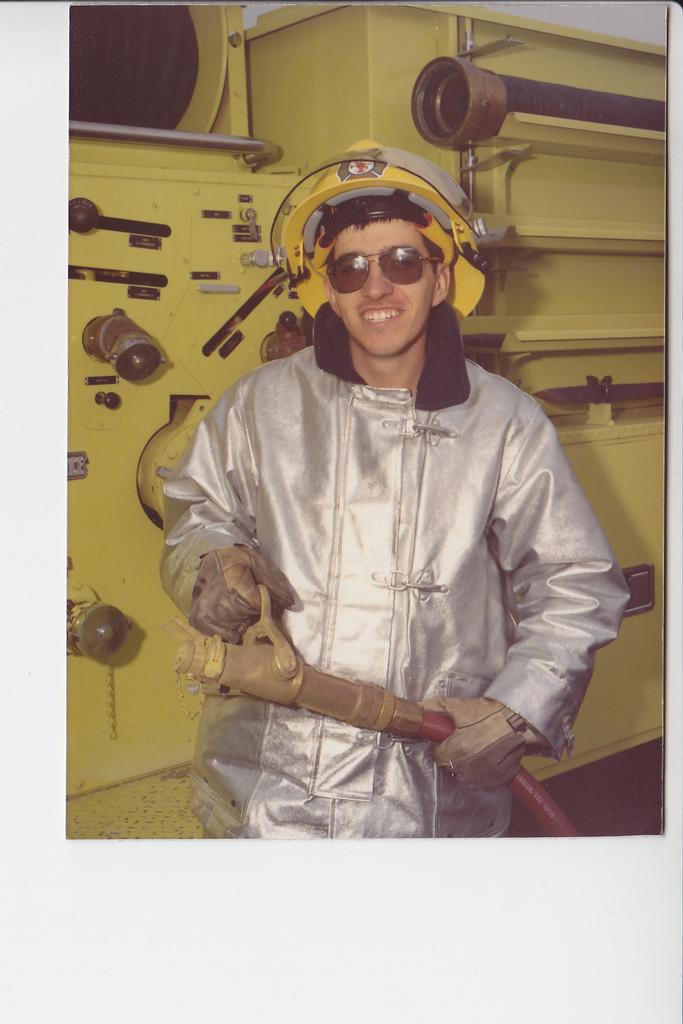
U.S. Air Force