
Opening branch overview
Building the branch home surface
Loading branch highlights, featured unit context, and gallery moments.
Overview
Members
Units
Building the branch home surface
Loading branch highlights, featured unit context, and gallery moments.
Building the branch units surface
Loading unit filters, rankings, and the branch unit grid.

4 members•1 unit
Relive and share the memories of your service-time with your brothers and sisters in arms today. VetFriends.com can help you reconnect.
Did you proudly serve in the Air Force Commissary?
Are you looking for someone who is or was in the Air Force Commissary?
Do you have Air Force Commissary photos you'd like to share?
Then join a community with your brothers and sisters of the Air Force Commissary.
Branch
U.S. Air Force
Members
4
The Air Force Commissary is not a traditional combat or operational military unit; instead, it is a critical support organization within the United States Air Force. Established to provide essential grocery and household goods to service members and their families, the commissary system traces its roots to the late 19th century, with the Air Force inheriting its commissary operations upon its creation in 1947. Over the decades, Air Force Commissaries have played a vital role in maintaining morale and quality of life for airmen stationed both domestically and overseas. Today, they are operated by the Defense Commissary Agency (DeCA), continuing their mission of service and support for the Air Force community worldwide.
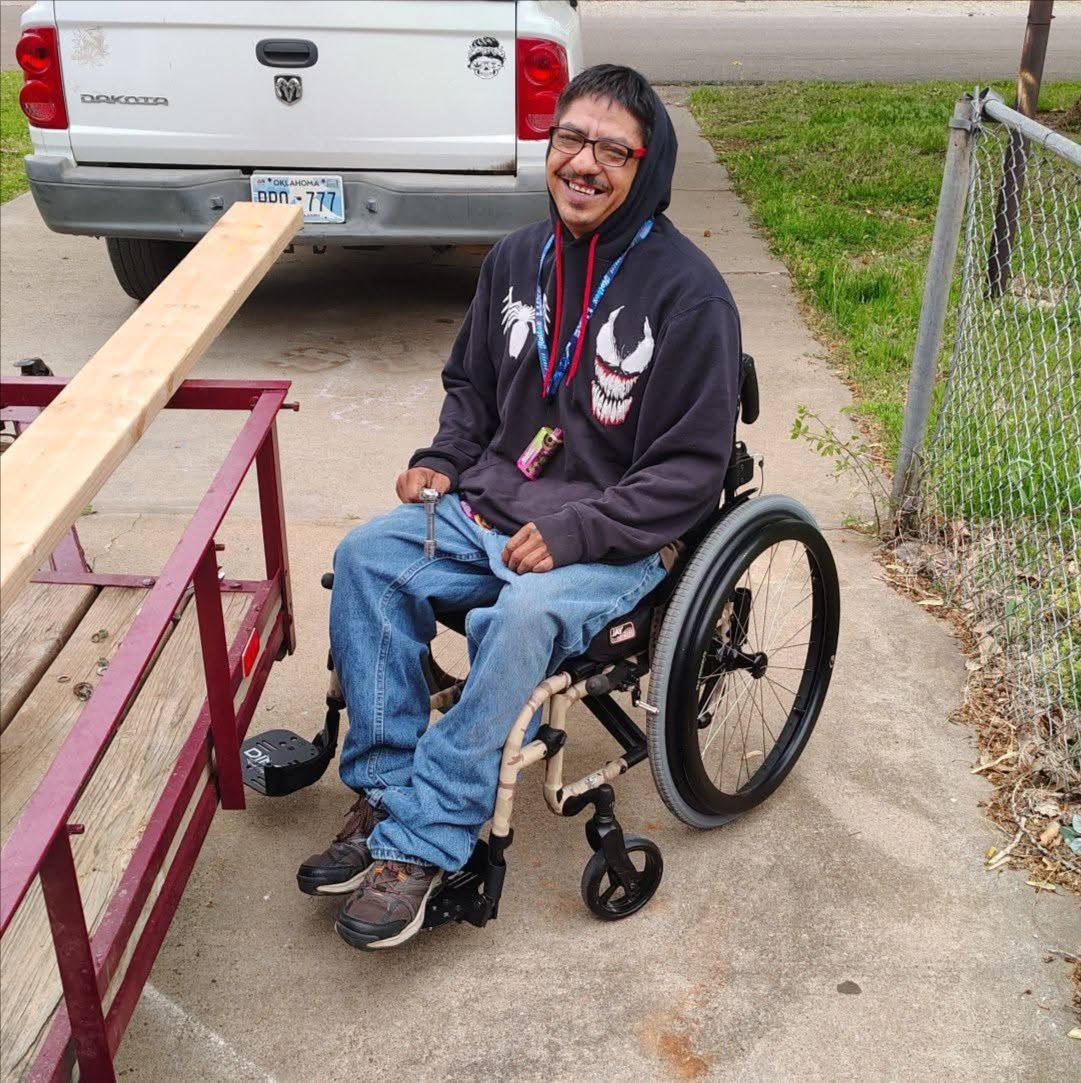
U.S. Air Force
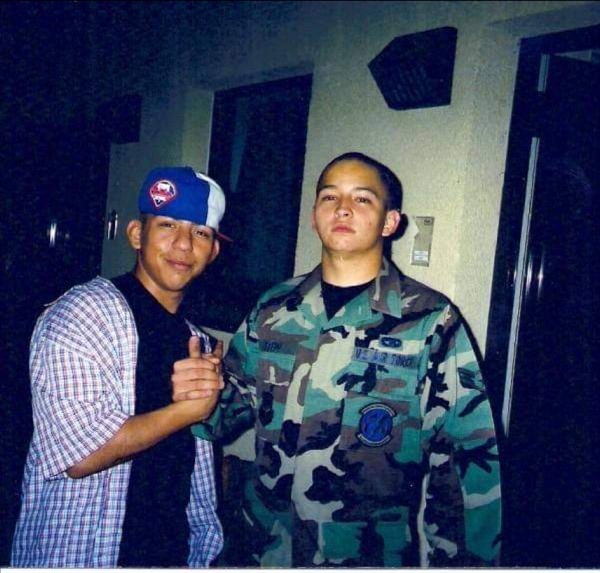
U.S. Air Force
U.S. Air Force • 1972
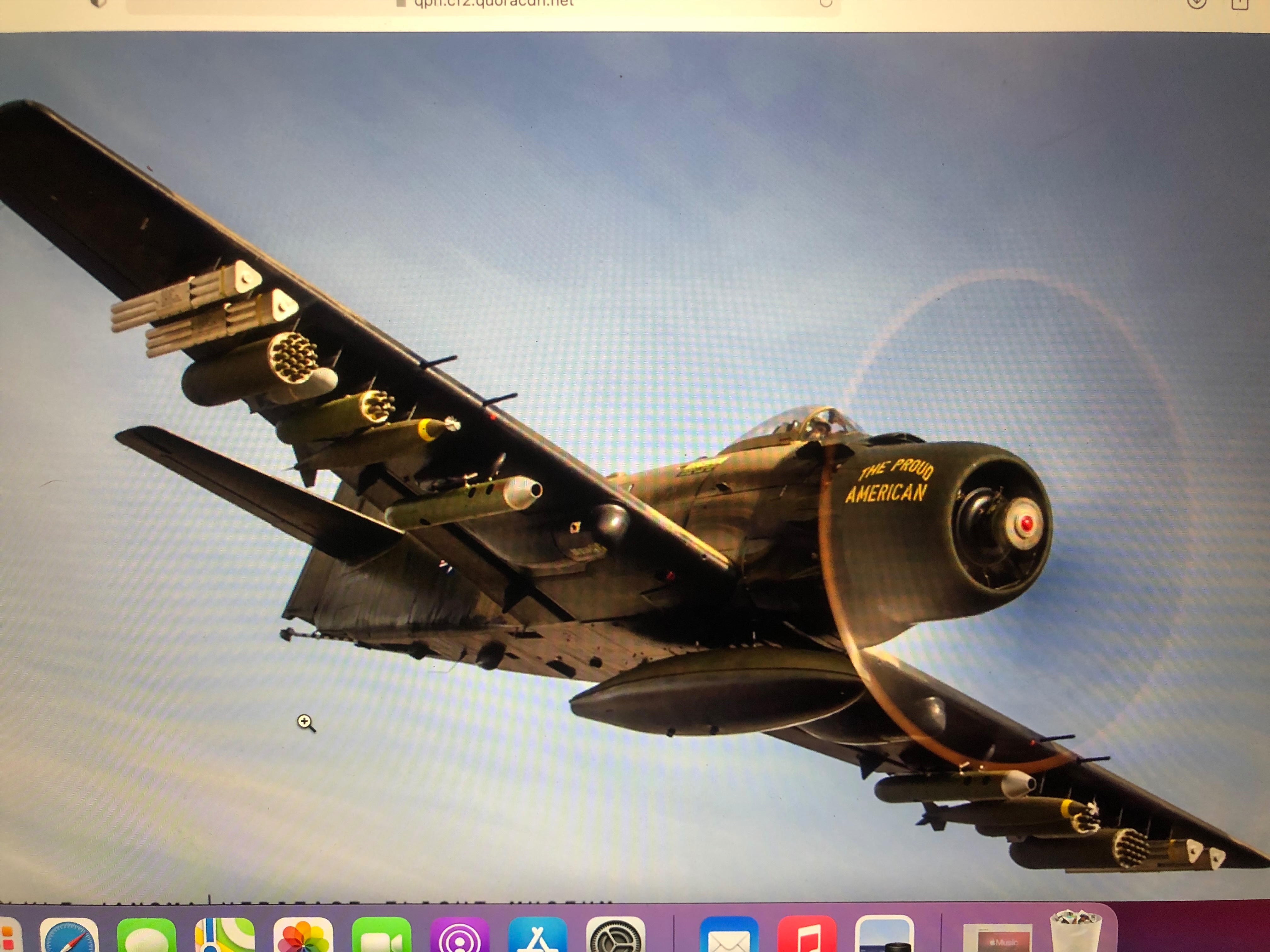
56th Fighter Wing • U.S. Air Force • 1970