
Opening branch overview
Building the branch home surface
Loading branch highlights, featured unit context, and gallery moments.
Overview
Members
Units
Building the branch home surface
Loading branch highlights, featured unit context, and gallery moments.
Building the branch units surface
Loading unit filters, rankings, and the branch unit grid.

U.S. Air Force•4 members
Relive and share the memories of your service-time with your brothers and sisters in arms today. VetFriends.com can help you reconnect.
Did you proudly serve in the Air Force Audit Agency?
Are you looking for someone who is or was in the Air Force Audit Agency?
Do you have Air Force Audit Agency photos you'd like to share?
Then join a community with your brothers and sisters of the Air Force Audit Agency.
The Air Force Audit Agency (AFAA) was established in 1948 as a separate agency within the Department of the Air Force, following the creation of the United States Air Force as an independent service. Its primary mission is to provide audit services, evaluating the efficiency, effectiveness, and economy of Air Force programs and operations. Over the decades, the AFAA has played a crucial role in ensuring financial stewardship, accountability, and transparency within the Air Force by identifying risks and recommending improvements. The agency continues to support Air Force leadership by delivering independent, objective assessments that enhance mission readiness and resource management.
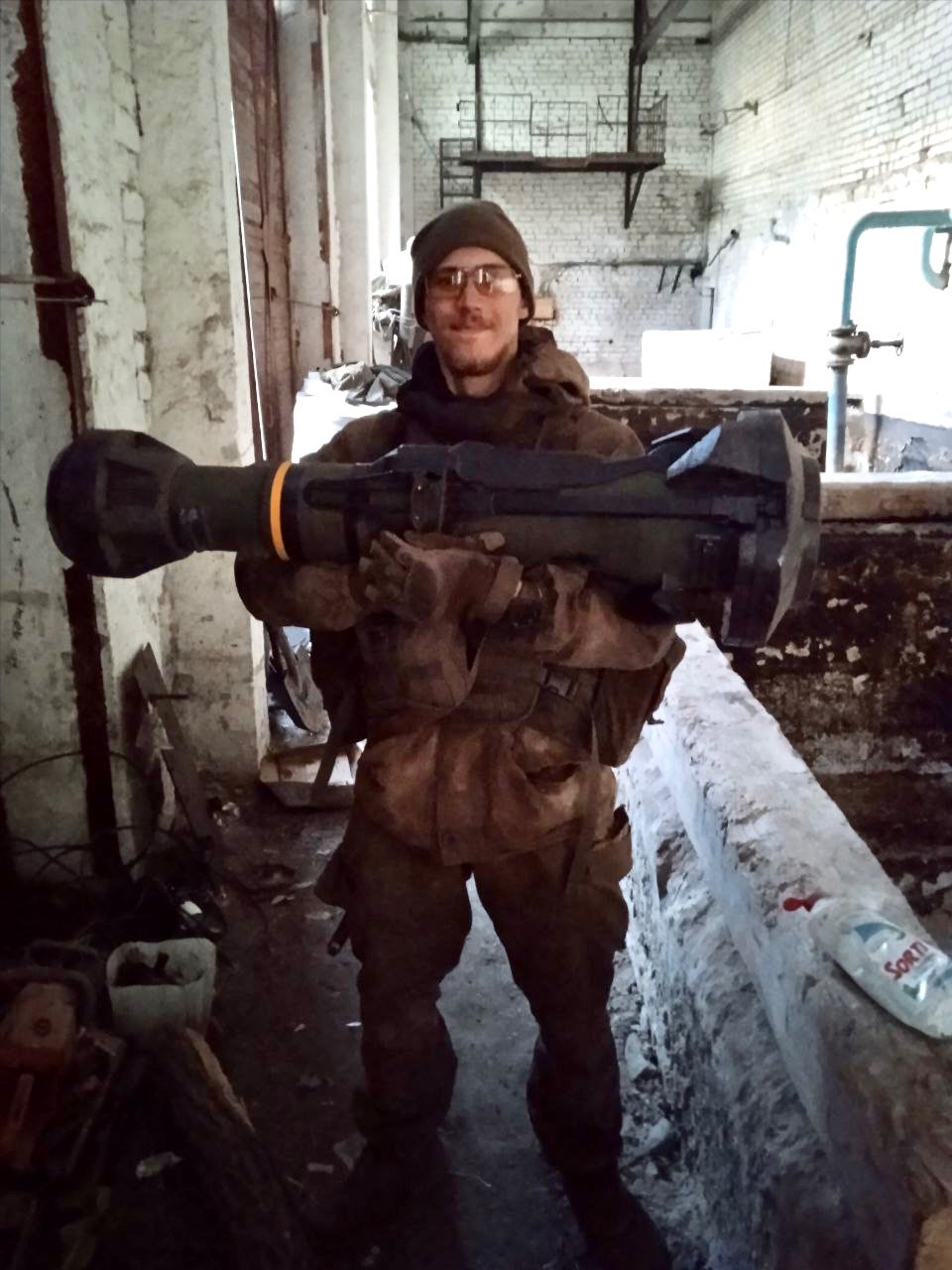
137th special ops wing • U.S. Air Force • 2022

U.S. Air Force

U.S. Air Force

U.S. Air Force