
Opening branch overview
Building the branch home surface
Loading branch highlights, featured unit context, and gallery moments.
Overview
Members
Units
Building the branch home surface
Loading branch highlights, featured unit context, and gallery moments.
Building the branch units surface
Loading unit filters, rankings, and the branch unit grid.

37 members•1 unit
Relive and share the memories of your service-time with your brothers and sisters in arms today. VetFriends.com can help you reconnect.
Did you proudly serve in the air craft and warning Korea 1953 to 1954?
Are you looking for someone who is or was in the air craft and warning Korea 1953 to 1954?
Do you have air craft and warning Korea 1953 to 1954 photos you'd like to share?
Then join a community with your brothers and sisters of the air craft and warning Korea 1953 to 1954.
Branch
U.S. Air Force
Members
37
The Aircraft and Warning units of the United States Air Force played a vital role in Korea during 1953 to 1954, immediately following the Korean War armistice. These units were responsible for operating radar sites and early warning systems along the Korean Demilitarized Zone (DMZ) to detect and track potential incursions by hostile aircraft. Their mission included maintaining round-the-clock surveillance, coordinating with fighter-interceptor squadrons, and ensuring airspace security during a tense period of ceasefire. The efforts of these units contributed significantly to the deterrence of renewed hostilities and the stabilization of the region during the early Cold War era.
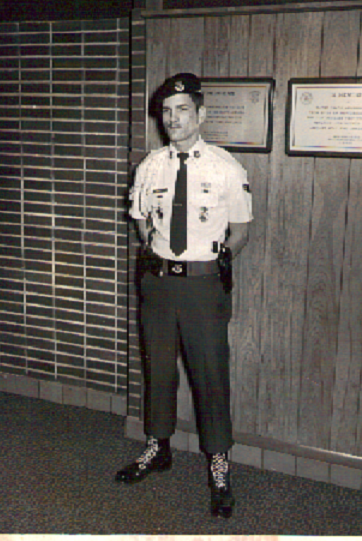
6960th • U.S. Air Force • 1982
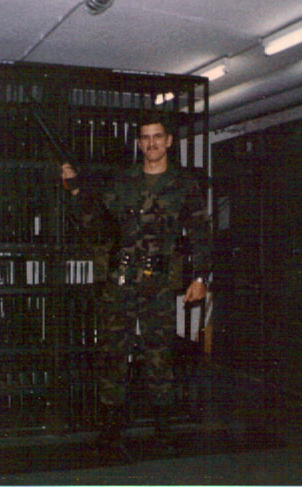
6913th • U.S. Air Force • 1983
6960th • U.S. Air Force • 1981
661st Air Force Band ( AFLC ) • U.S. Air Force • 1972