
Opening branch overview
Building the branch home surface
Loading branch highlights, featured unit context, and gallery moments.
Overview
Members
Units
Building the branch home surface
Loading branch highlights, featured unit context, and gallery moments.
Building the branch units surface
Loading unit filters, rankings, and the branch unit grid.

U.S. Air Force•3 members
Relive and share the memories of your service-time with your brothers and sisters in arms today. VetFriends.com can help you reconnect.
Did you proudly serve in the AFRICOM?
Are you looking for someone who is or was in the AFRICOM?
Do you have AFRICOM photos you'd like to share?
Then join a community with your brothers and sisters of the AFRICOM.
United States Africa Command (AFRICOM) was established on October 1, 2007, as the unified combatant command responsible for U.S. military operations and activities across the African continent, excluding Egypt. Headquartered in Stuttgart, Germany, AFRICOM’s mission is to strengthen defense capabilities of African partners, conduct military operations, and promote security and stability throughout the region. The command works closely with African nations, regional organizations, and international partners to address transnational threats such as terrorism, piracy, and humanitarian crises. Over the years, AFRICOM has supported a range of initiatives, including counterterrorism operations, disaster relief efforts, and capacity-building programs to foster regional security and cooperation.
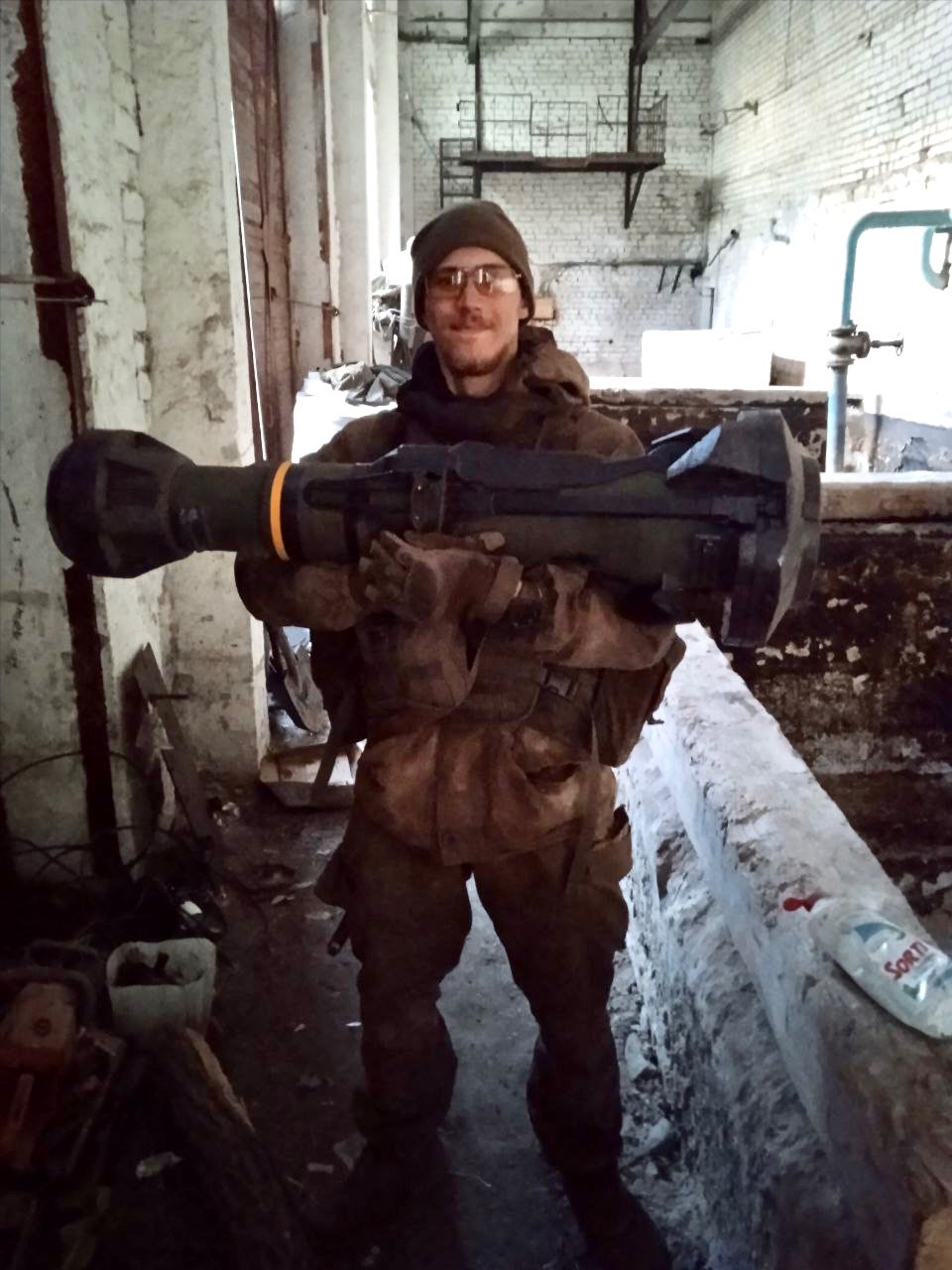
137th special ops wing • U.S. Air Force • 2022
U.S. Air Force

U.S. Air Force

U.S. Air Force