
Opening branch overview
Building the branch home surface
Loading branch highlights, featured unit context, and gallery moments.
Overview
Members
Units
Building the branch home surface
Loading branch highlights, featured unit context, and gallery moments.
Building the branch units surface
Loading unit filters, rankings, and the branch unit grid.

U.S. Air Force•15 members
Relive and share the memories of your service-time with your brothers and sisters in arms today. VetFriends.com can help you reconnect.
Did you proudly serve in the AFMPC?
Are you looking for someone who is or was in the AFMPC?
Do you have AFMPC photos you'd like to share?
Then join a community with your brothers and sisters of the AFMPC.
The Air Force Military Personnel Center (AFMPC) was established in 1971 to centralize and manage personnel operations for the United States Air Force. Tasked with assignments, career development, and personnel policies, AFMPC played a pivotal role in supporting the Air Force’s global mission by ensuring the effective management of its human resources. Over the years, AFMPC evolved alongside changes in technology and force structure, continually adapting to meet the needs of both peacetime and wartime operations. In 1993, AFMPC was redesignated as the Air Force Personnel Center (AFPC), continuing its legacy of service from its headquarters at Randolph Air Force Base, Texas.
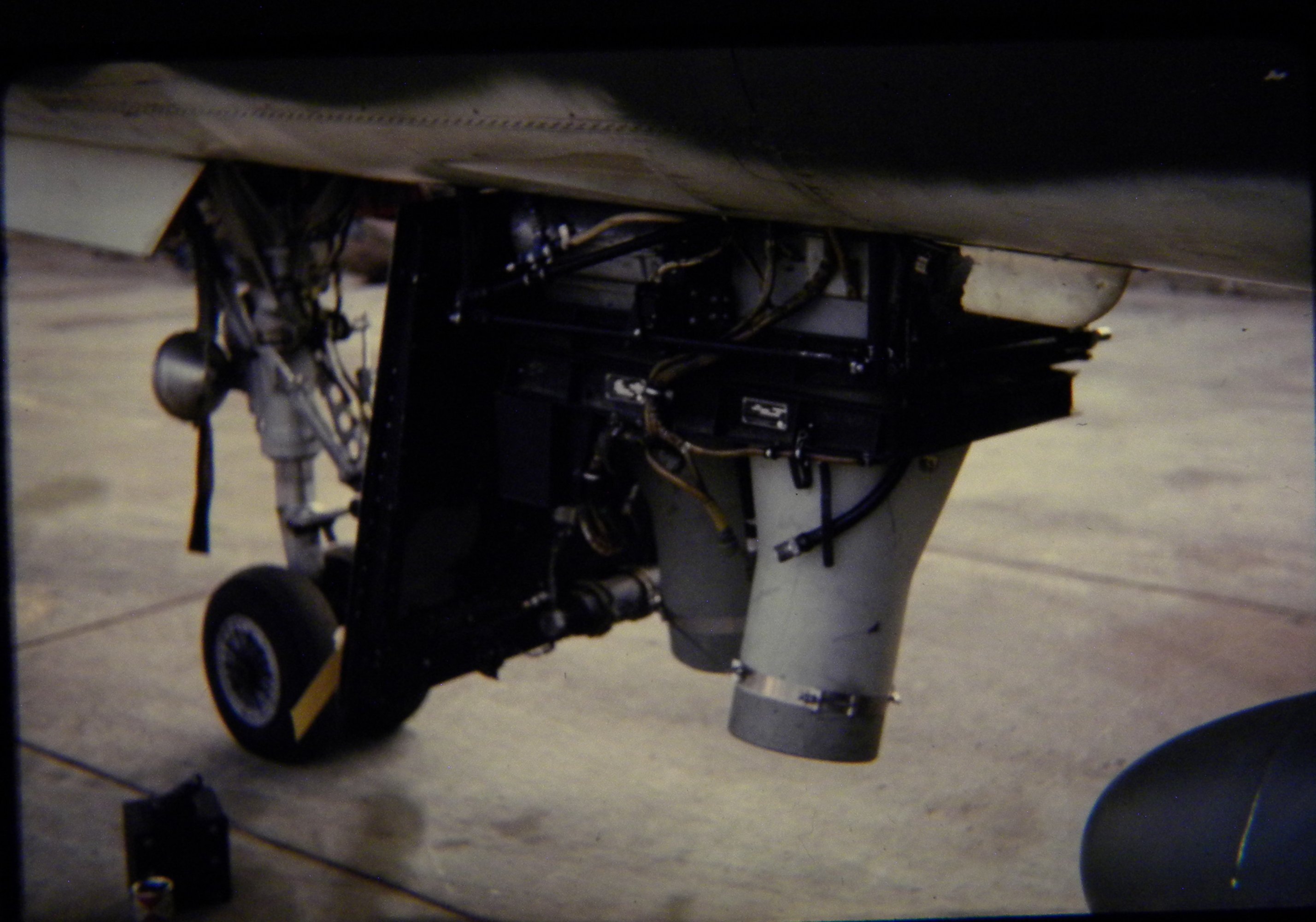
460th TAC Recon Wing • U.S. Air Force • 1968
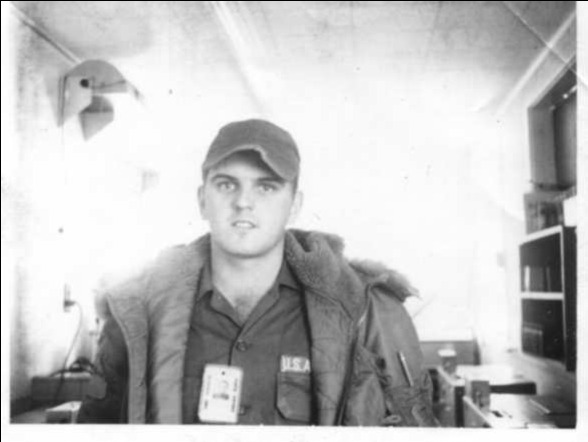
U.S. Air Force • 1967
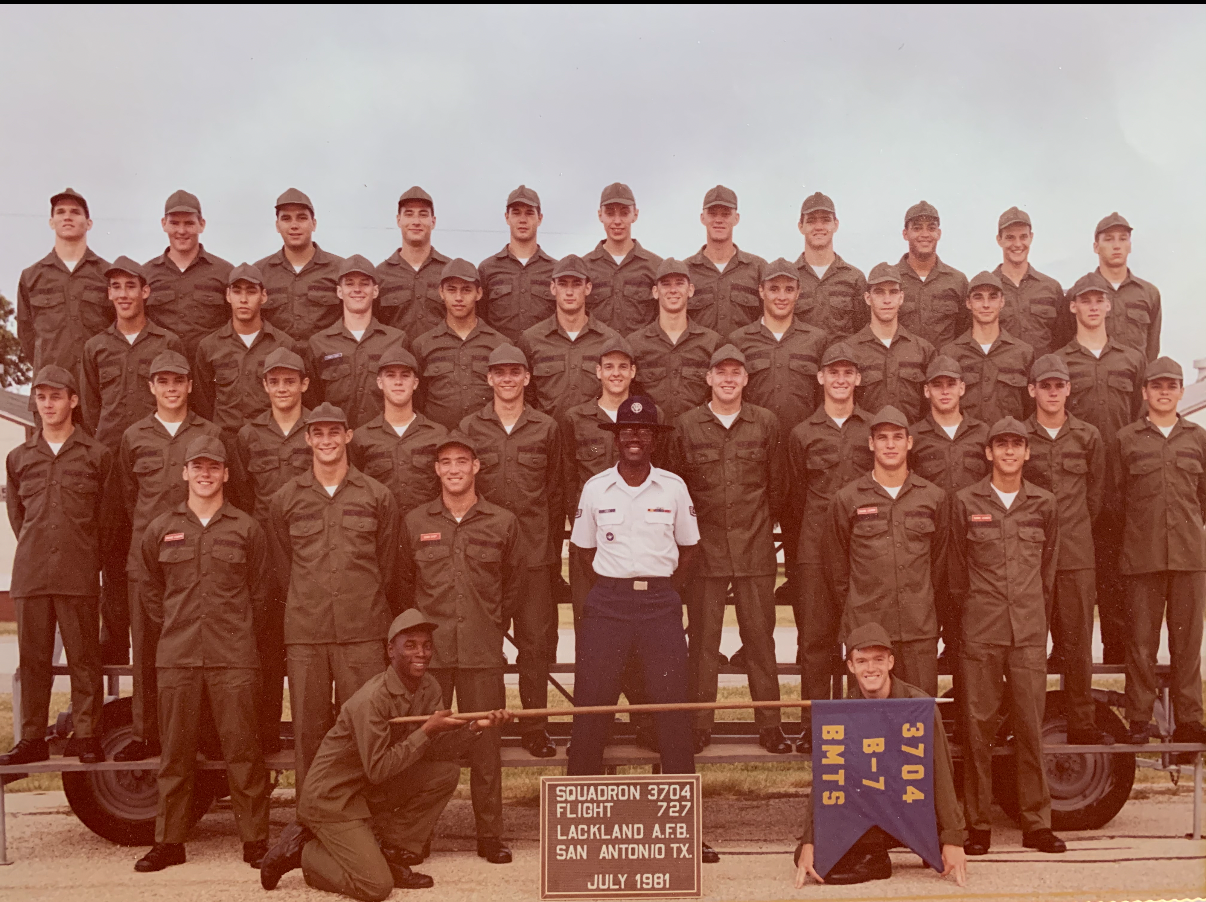
3704 BMTS • U.S. Air Force • 1981
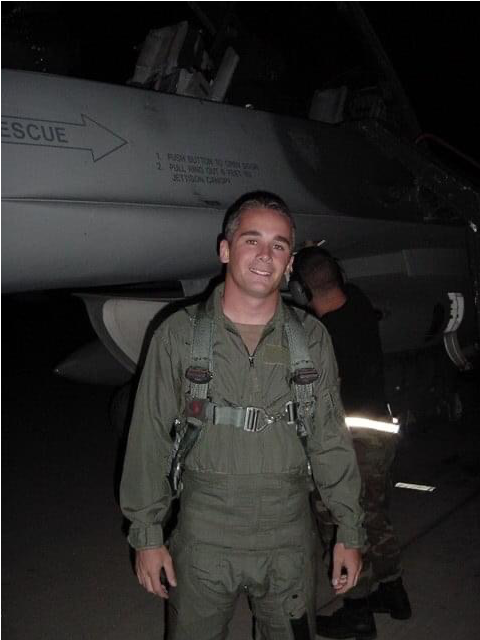
U.S. Air Force