
Opening branch overview
Building the branch home surface
Loading branch highlights, featured unit context, and gallery moments.
Overview
Members
Units
Building the branch home surface
Loading branch highlights, featured unit context, and gallery moments.
Building the branch units surface
Loading unit filters, rankings, and the branch unit grid.

U.S. Air Force•4 members
Relive and share the memories of your service-time with your brothers and sisters in arms today. VetFriends.com can help you reconnect.
Did you proudly serve in the AFHRL?
Are you looking for someone who is or was in the AFHRL?
Do you have AFHRL photos you'd like to share?
Then join a community with your brothers and sisters of the AFHRL.
The Air Force Human Resources Laboratory (AFHRL) was established in 1968 to consolidate Air Force research in the behavioral and social sciences, focusing on personnel selection, training, and human factors engineering. Headquartered at Brooks Air Force Base, Texas, AFHRL integrated earlier laboratories such as the Personnel Research Laboratory and the Training Research Laboratory. Throughout the 1970s and 1980s, AFHRL made significant contributions to improving Air Force training methods, personnel systems, and cockpit design through rigorous scientific research. In 1991, as part of a broader Air Force reorganization, AFHRL was inactivated and its functions were absorbed by the Armstrong Laboratory.
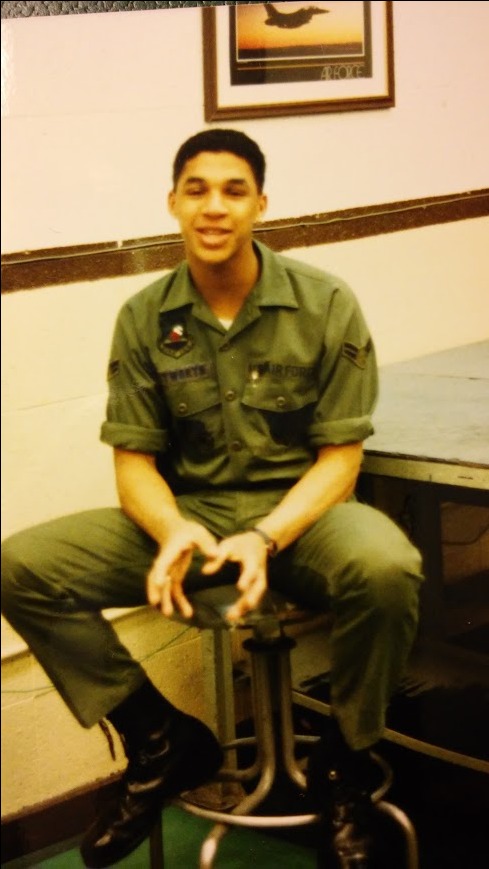
U.S. Air Force • 1987
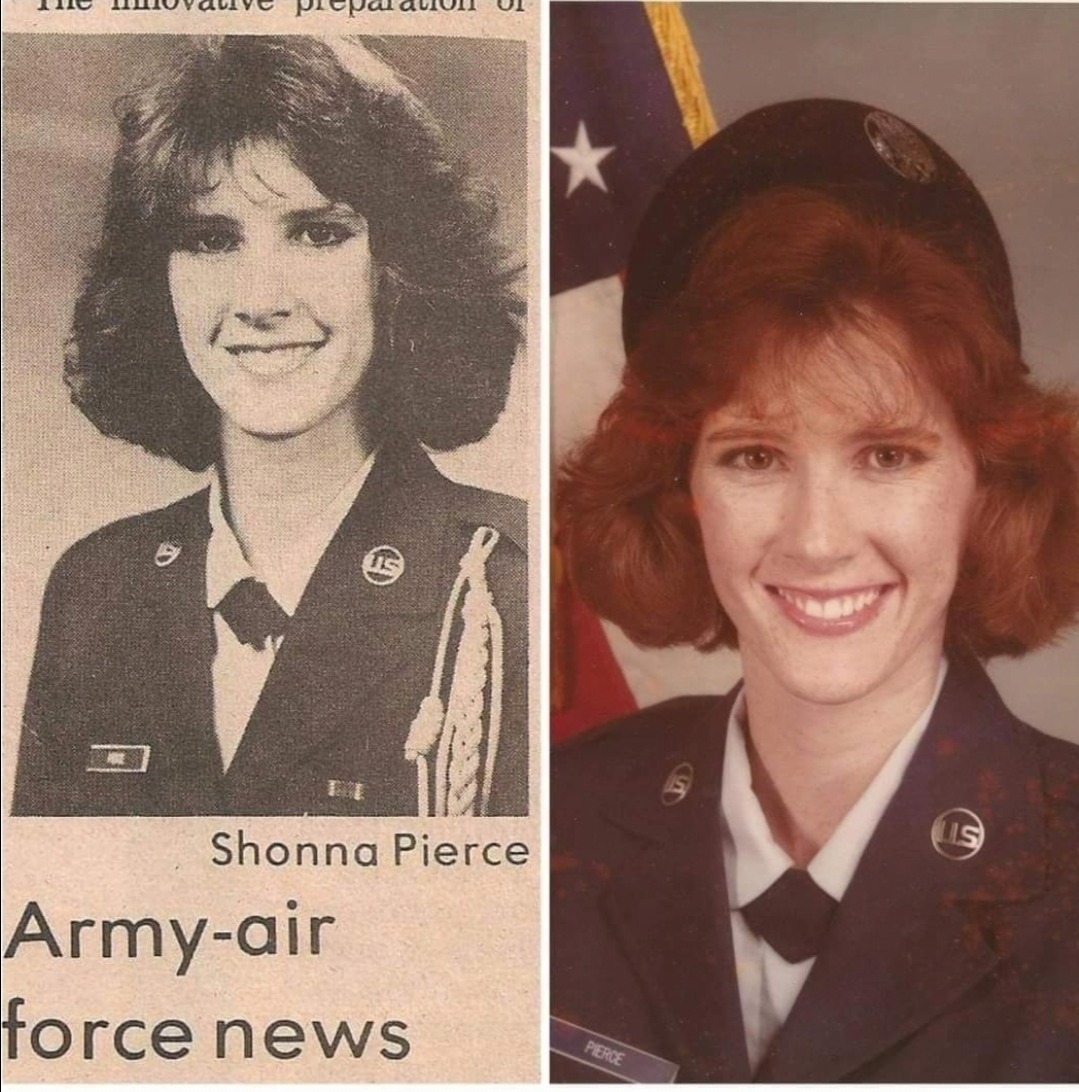
U.S. Air Force
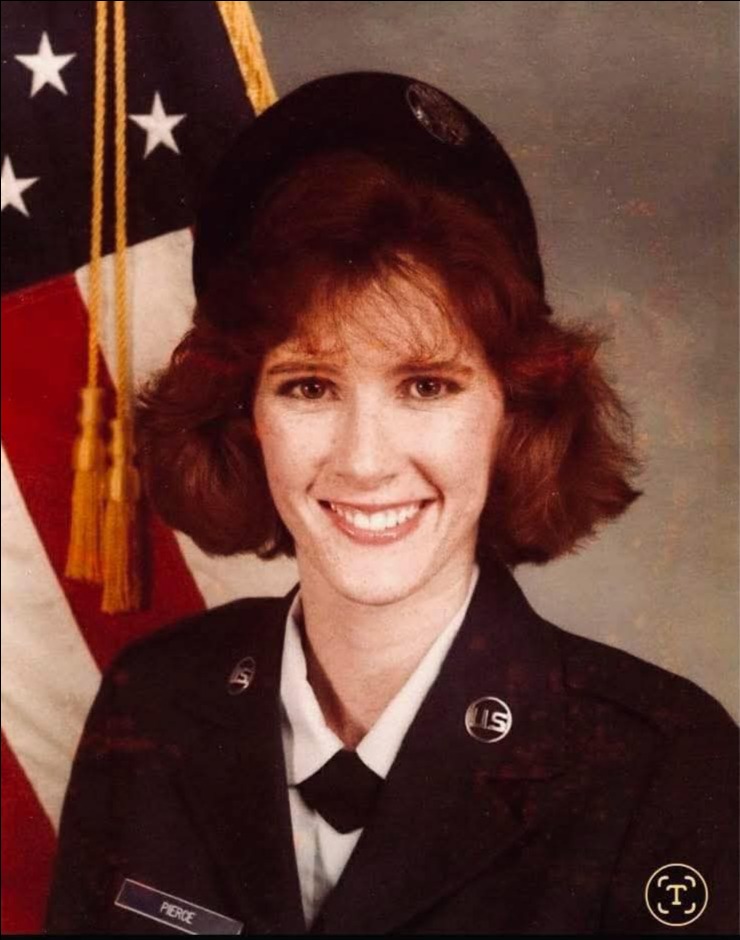
U.S. Air Force

U.S. Air Force • 2026