
Opening branch overview
Building the branch home surface
Loading branch highlights, featured unit context, and gallery moments.
Overview
Members
Units
Building the branch home surface
Loading branch highlights, featured unit context, and gallery moments.
Building the branch units surface
Loading unit filters, rankings, and the branch unit grid.

37 members•1 unit
Relive and share the memories of your service-time with your brothers and sisters in arms today. VetFriends.com can help you reconnect.
Did you proudly serve in the AFEES 39 Whitehall Street, NYC, NY?
Are you looking for someone who is or was in the AFEES 39 Whitehall Street, NYC, NY?
Do you have AFEES 39 Whitehall Street, NYC, NY photos you'd like to share?
Then join a community with your brothers and sisters of the AFEES 39 Whitehall Street, NYC, NY.
Branch
U.S. Air Force
Members
37
AFEES 39 Whitehall Street in New York City served as a vital Armed Forces Examining and Entrance Station (AFEES) for decades, particularly during World War II, the Korean War, and the Vietnam War. Located at the tip of Manhattan, the facility processed and inducted thousands of recruits into the United States Armed Forces, making it a key gateway for servicemen from the New York metropolitan area. The building became a symbol of the draft experience, especially during the Vietnam War era, and was frequently the site of both anxious draftees and antiwar protests. Its operations continued until the late 1970s, after which the site was eventually decommissioned and repurposed.
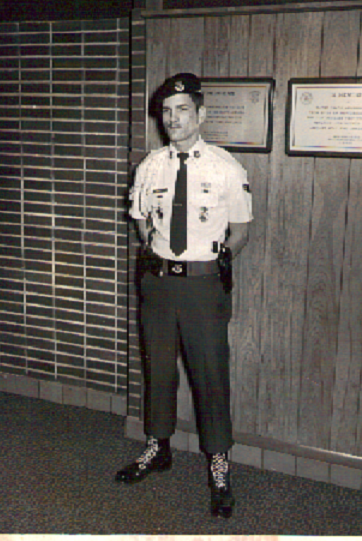
6960th • U.S. Air Force • 1982
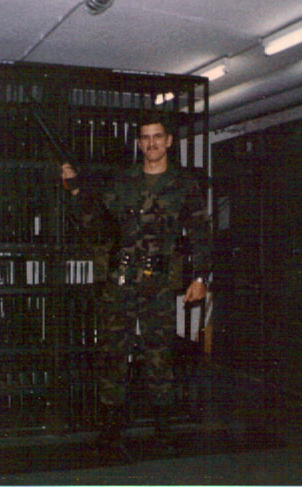
6913th • U.S. Air Force • 1983
6960th • U.S. Air Force • 1981
661st Air Force Band ( AFLC ) • U.S. Air Force • 1972