
Opening branch overview
Building the branch home surface
Loading branch highlights, featured unit context, and gallery moments.
Overview
Members
Units
Building the branch home surface
Loading branch highlights, featured unit context, and gallery moments.
Building the branch units surface
Loading unit filters, rankings, and the branch unit grid.

38 members•1 unit
Relive and share the memories of your service-time with your brothers and sisters in arms today. VetFriends.com can help you reconnect.
Did you proudly serve in the AFDL-6?
Are you looking for someone who is or was in the AFDL-6?
Do you have AFDL-6 photos you'd like to share?
Then join a community with your brothers and sisters of the AFDL-6.
Branch
U.S. Air Force
Members
38
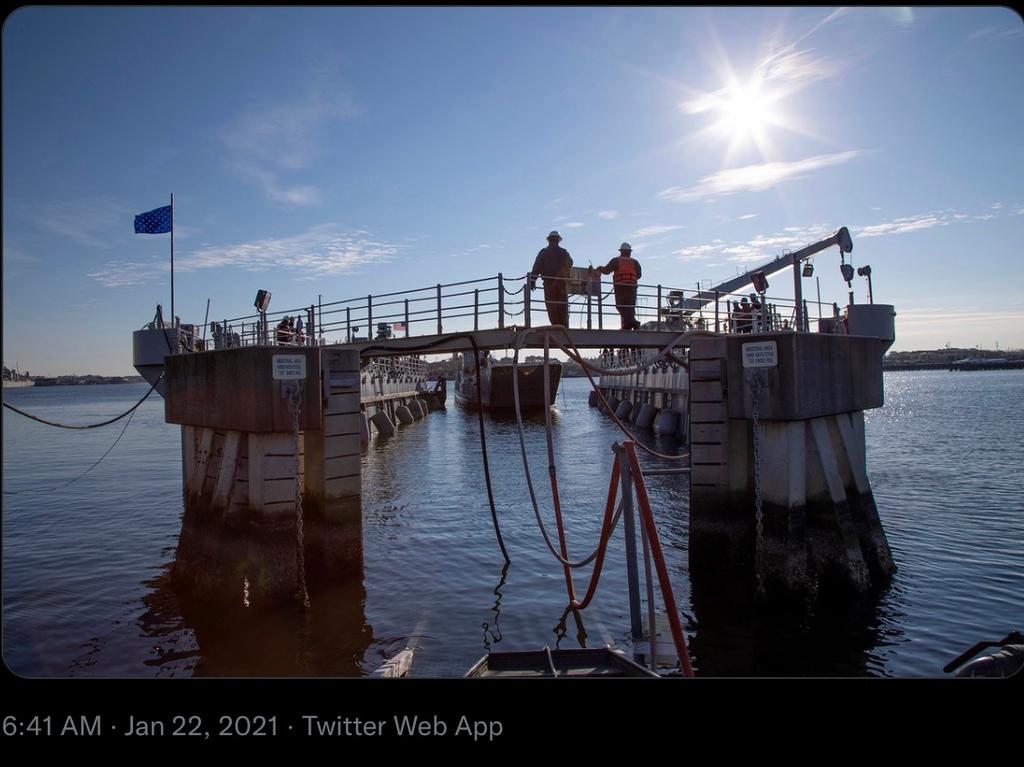
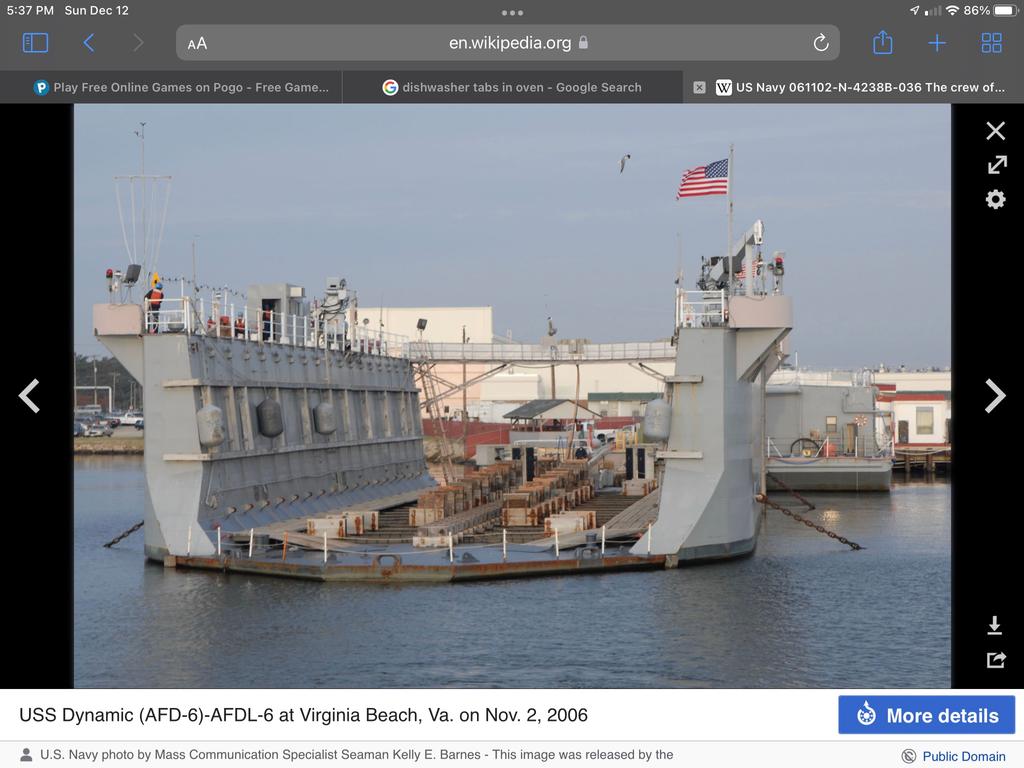
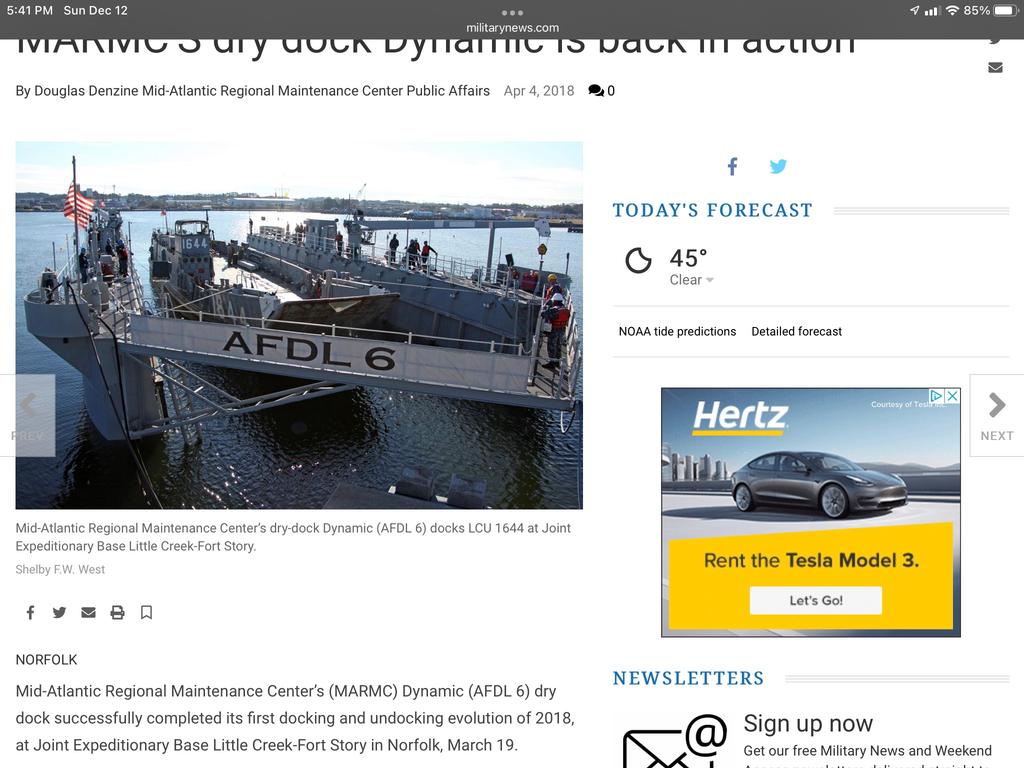
**AFDL-6** is a U.S. Navy auxiliary floating dry dock launched in 1943 during World War II. Originally designated as YFD-62, it was later reclassified as AFDL-6 (Auxiliary Floating Dry Dock, Light). Throughout its service, AFDL-6 provided essential repair and maintenance support to naval vessels, especially in forward areas where shore-based facilities were unavailable. The unit contributed significantly to fleet readiness during both World War II and the Cold War before being placed in reserve status.
U.S. Navy • 1968
U.S. Navy • 1968
U.S. Navy • 1968