
Opening branch overview
Building the branch home surface
Loading branch highlights, featured unit context, and gallery moments.
Overview
Members
Units
Building the branch home surface
Loading branch highlights, featured unit context, and gallery moments.
Building the branch units surface
Loading unit filters, rankings, and the branch unit grid.

U.S. Air Force•1 members
Relive and share the memories of your service-time with your brothers and sisters in arms today. VetFriends.com can help you reconnect.
Did you proudly serve in the AF Rocket Propulsion Laboratory?
Are you looking for someone who is or was in the AF Rocket Propulsion Laboratory?
Do you have AF Rocket Propulsion Laboratory photos you'd like to share?
Then join a community with your brothers and sisters of the AF Rocket Propulsion Laboratory.
The Air Force Rocket Propulsion Laboratory (AFRPL), established in 1954 at Edwards Air Force Base, California, played a pivotal role in advancing U.S. rocket propulsion technology during the Cold War and beyond. Originally known as the Air Force Missile Development Center Propulsion Laboratory, the unit was instrumental in the research, development, and testing of liquid, solid, and advanced rocket engines for military and space applications. AFRPL’s efforts contributed to key propulsion systems for missiles such as the Minuteman and Peacekeeper ICBMs, as well as upper stages for space launch vehicles. In 1991, the laboratory was reorganized and became part of the Phillips Laboratory, continuing its legacy under new designations within the Air Force Research Laboratory.

46th Communications Group • U.S. Air Force • 2026
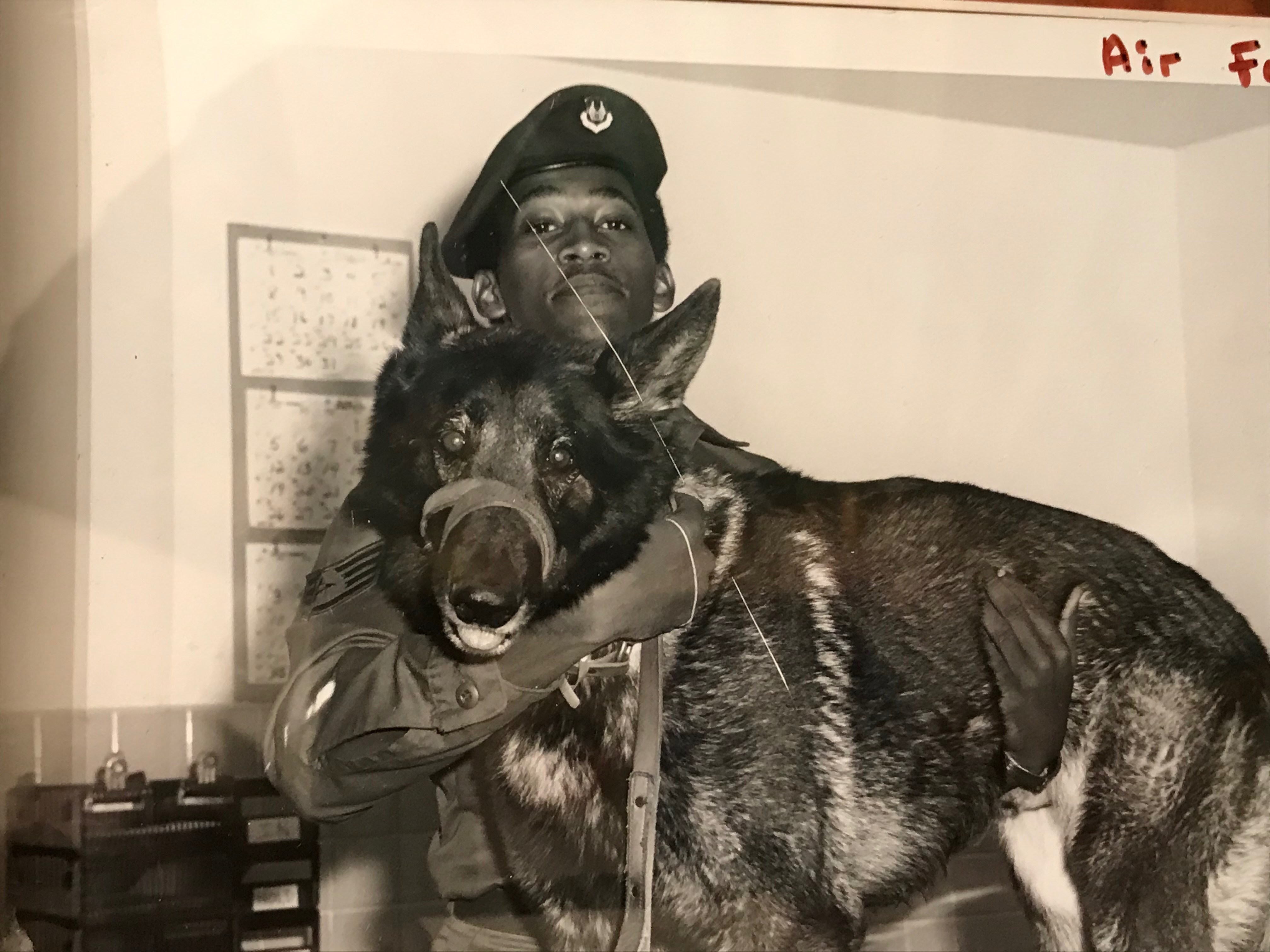
U.S. Air Force
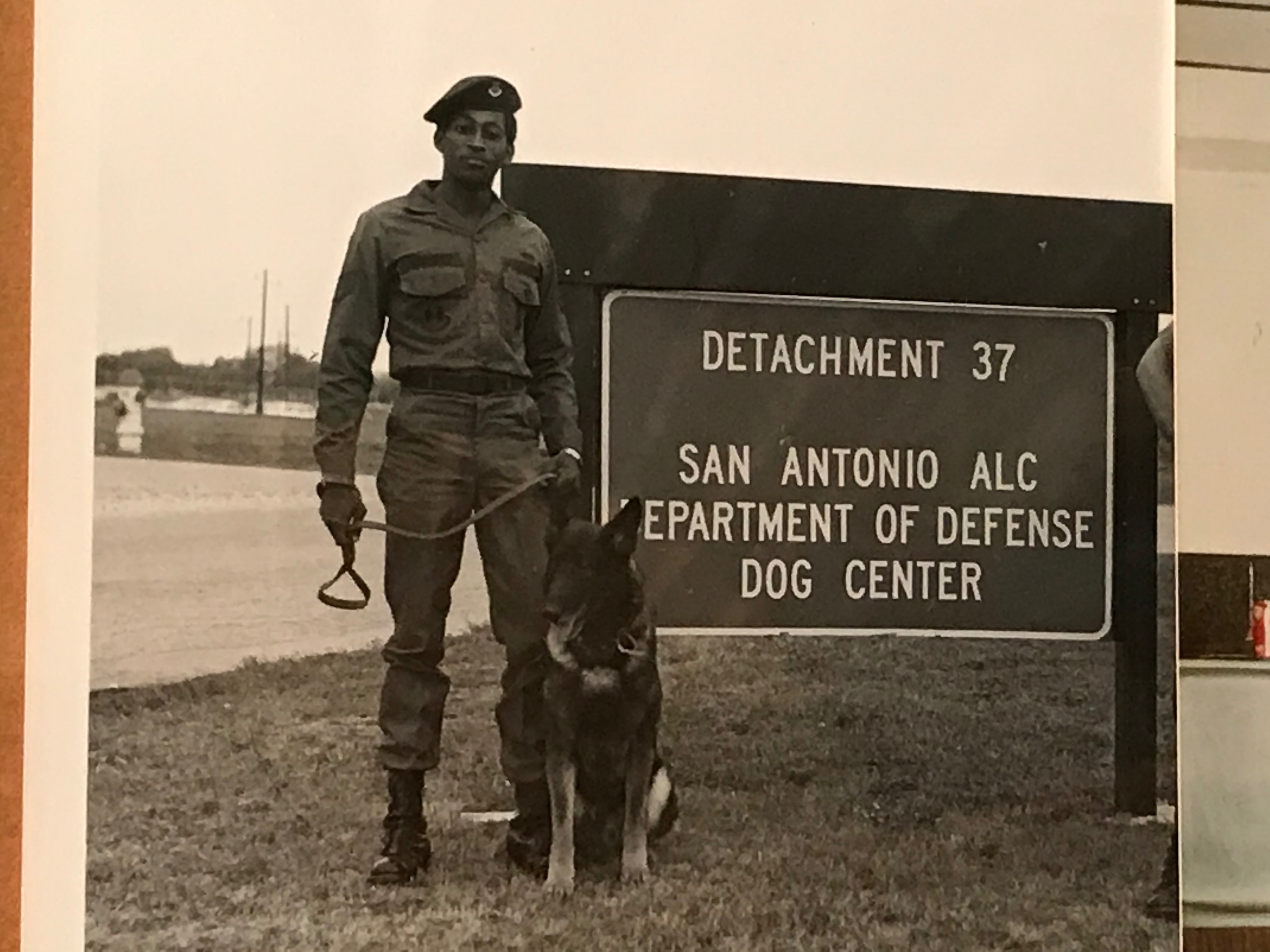
U.S. Air Force
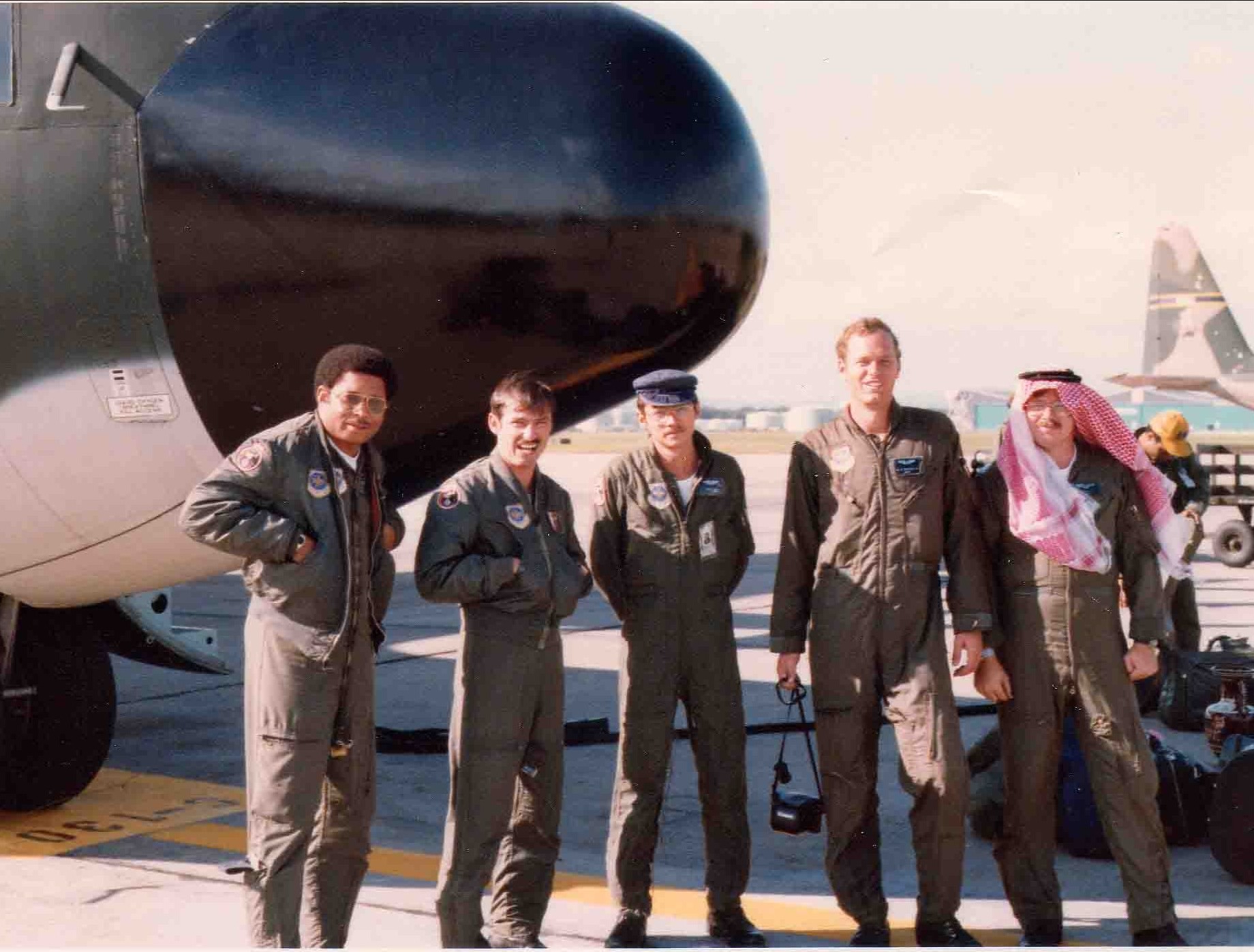
773 TAS • U.S. Air Force • 1979