Over 3,064,780 active members

U.S. Air Force•2 members
Relive and share the memories of your service-time with your brothers and sisters in arms today. VetFriends.com can help you reconnect.
Did you proudly serve in the 96MMS?
Are you looking for someone who is or was in the 96MMS?
Do you have 96MMS photos you'd like to share?
Then join a community with your brothers and sisters of the 96MMS.
Branch
U.S. Air Force
Members
2
The 96th Munitions Maintenance Squadron (96 MMS) was a vital unit within the United States Air Force, primarily responsible for the storage, maintenance, and handling of munitions, including nuclear and conventional ordnance. Activated during the height of the Cold War, the squadron played a crucial role in ensuring munitions readiness and security at its assigned base, often supporting bomber and missile wings. Over the years, the 96 MMS adapted to advancements in weapons technology and evolving mission requirements, contributing to both deterrence and operational capabilities. The unit’s legacy is marked by its commitment to safety, precision, and mission success in support of the nation’s defense objectives.
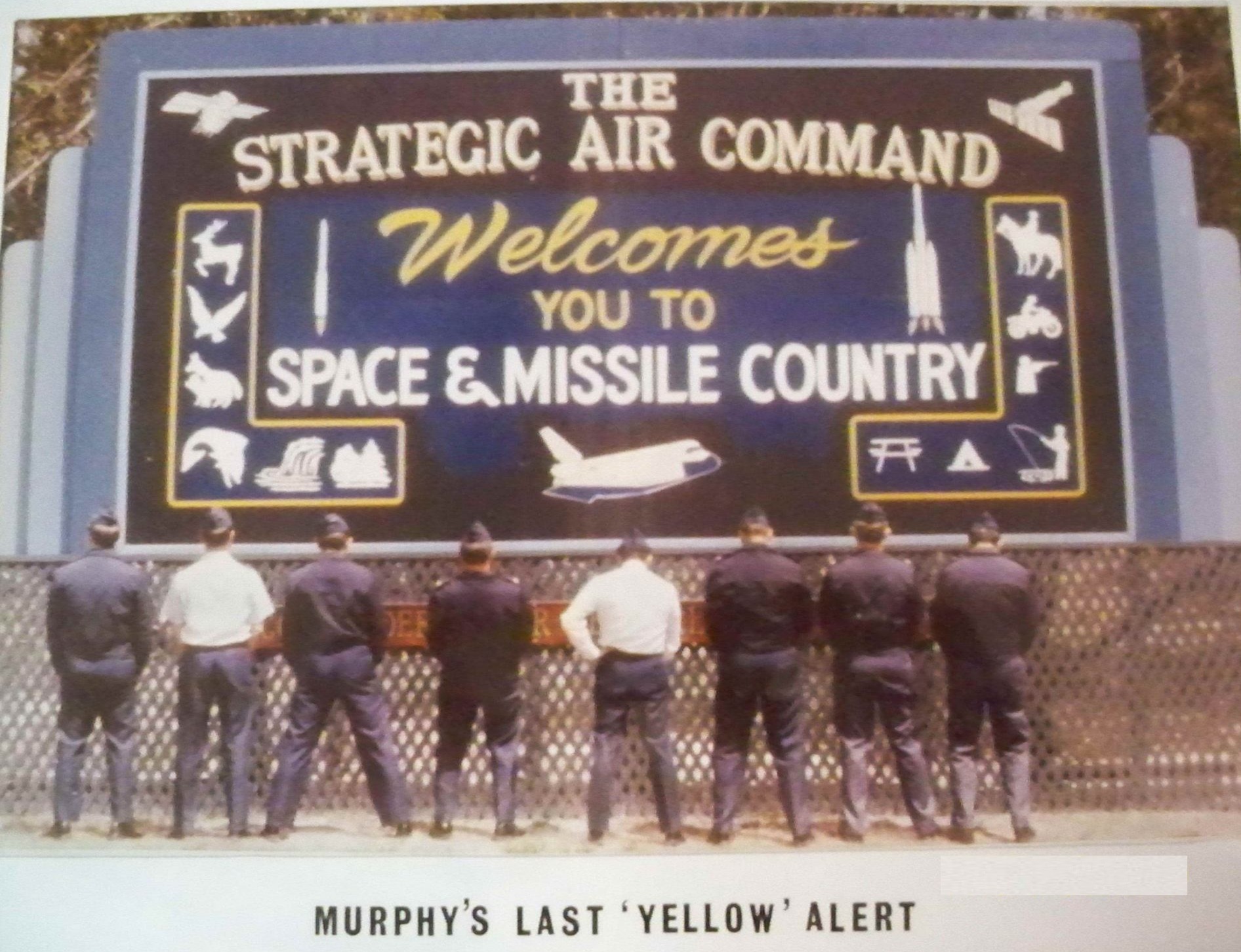
6595 • U.S. Air Force
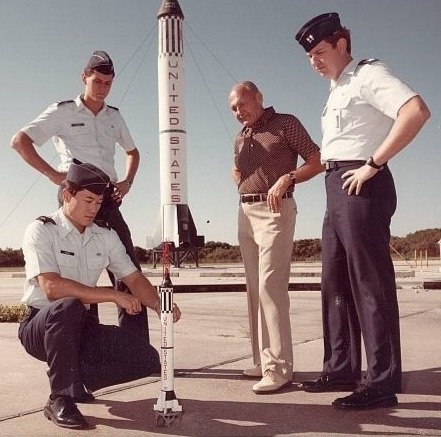
6555th ASTG • U.S. Air Force
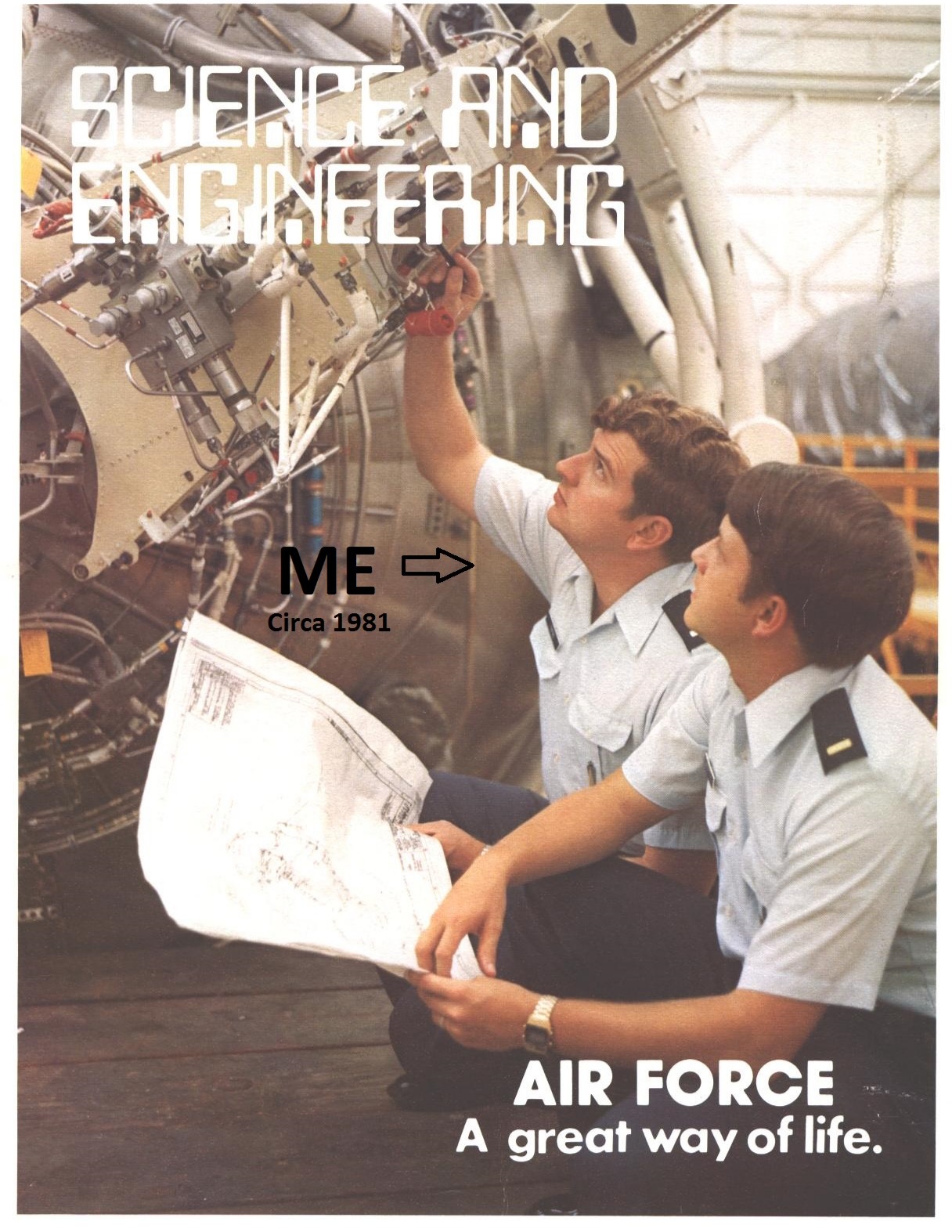
6595 • U.S. Air Force • 1981

U.S. Air Force • 1981
