
Opening branch overview
Building the branch home surface
Loading branch highlights, featured unit context, and gallery moments.
Overview
Members
Units
Building the branch home surface
Loading branch highlights, featured unit context, and gallery moments.
Building the branch units surface
Loading unit filters, rankings, and the branch unit grid.

37 members•1 unit
Relive and share the memories of your service-time with your brothers and sisters in arms today. VetFriends.com can help you reconnect.
Did you proudly serve in the 93th FMS?
Are you looking for someone who is or was in the 93th FMS?
Do you have 93th FMS photos you'd like to share?
Then join a community with your brothers and sisters of the 93th FMS.
Branch
U.S. Air Force
Members
37
The 93rd Field Maintenance Squadron (93rd FMS) was a vital support unit within the U.S. Air Force, primarily stationed at Castle Air Force Base, California. Established during the Cold War, the squadron was responsible for providing maintenance and logistical support to the 93rd Bombardment Wing, which operated B-52 Stratofortress bombers and KC-135 Stratotanker refueling aircraft. The 93rd FMS played a key role in ensuring the operational readiness and effectiveness of the Strategic Air Command's nuclear deterrence mission. The unit was eventually inactivated following the end of the Cold War and the subsequent restructuring of the U.S. Air Force in the 1990s.
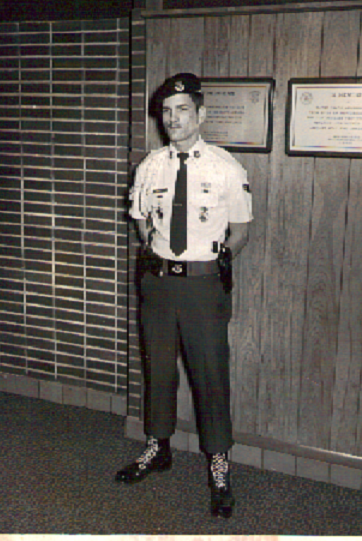
6960th • U.S. Air Force • 1982
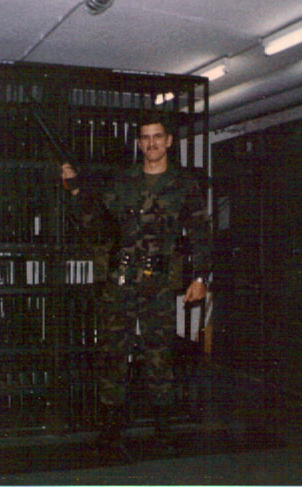
6913th • U.S. Air Force • 1983
6960th • U.S. Air Force • 1981

661st Air Force Band ( AFLC ) • U.S. Air Force • 1972