
Opening branch overview
Building the branch home surface
Loading branch highlights, featured unit context, and gallery moments.
Overview
Members
Units
Building the branch home surface
Loading branch highlights, featured unit context, and gallery moments.
Building the branch units surface
Loading unit filters, rankings, and the branch unit grid.

37 members•1 unit
Relive and share the memories of your service-time with your brothers and sisters in arms today. VetFriends.com can help you reconnect.
Did you proudly serve in the 922 ACWS?
Are you looking for someone who is or was in the 922 ACWS?
Do you have 922 ACWS photos you'd like to share?
Then join a community with your brothers and sisters of the 922 ACWS.
Branch
U.S. Air Force
Members
37
The 922nd Airborne Command and Control Squadron (922 ACWS) was a unit of the United States Air Force specializing in airborne command and control operations. Activated during the Cold War, the squadron was tasked with providing airborne surveillance, early warning, and command capabilities to support U.S. and allied air defenses. Equipped with advanced radar and communications systems, the 922 ACWS played a crucial role in monitoring airspace and coordinating responses to potential threats. Over the years, the squadron participated in numerous exercises and real-world missions before its eventual inactivation as part of broader Air Force restructuring efforts.
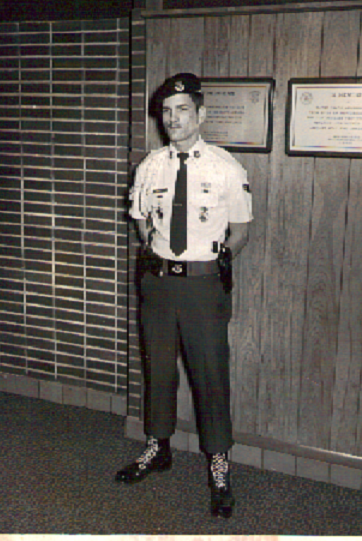
6960th • U.S. Air Force • 1982
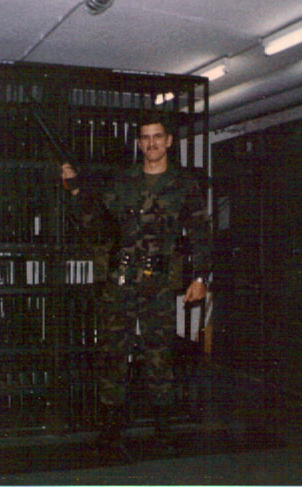
6913th • U.S. Air Force • 1983
6960th • U.S. Air Force • 1981
661st Air Force Band ( AFLC ) • U.S. Air Force • 1972