
Opening branch overview
Building the branch home surface
Loading branch highlights, featured unit context, and gallery moments.
Overview
Members
Units
Building the branch home surface
Loading branch highlights, featured unit context, and gallery moments.
Building the branch units surface
Loading unit filters, rankings, and the branch unit grid.

4 members•1 unit
Relive and share the memories of your service-time with your brothers and sisters in arms today. VetFriends.com can help you reconnect.
Did you proudly serve in the 872nd ACW Constantina Spain?
Are you looking for someone who is or was in the 872nd ACW Constantina Spain?
Do you have 872nd ACW Constantina Spain photos you'd like to share?
Then join a community with your brothers and sisters of the 872nd ACW Constantina Spain.
Branch
U.S. Air Force
Members
4
The 872nd Aircraft Control and Warning Squadron (872nd ACW) was a United States Air Force radar unit stationed at Constantina Air Station, Spain, during the Cold War era. Activated in 1958 as part of the USAF's broader effort to provide early warning and air defense for NATO forces in Western Europe, the squadron operated advanced radar systems to detect and track potential aerial threats. The 872nd worked closely with both American and Spanish military authorities, integrating its operations into the broader NATO air defense network. The unit was inactivated in 1961 as part of a realignment of U.S. radar assets in Europe.
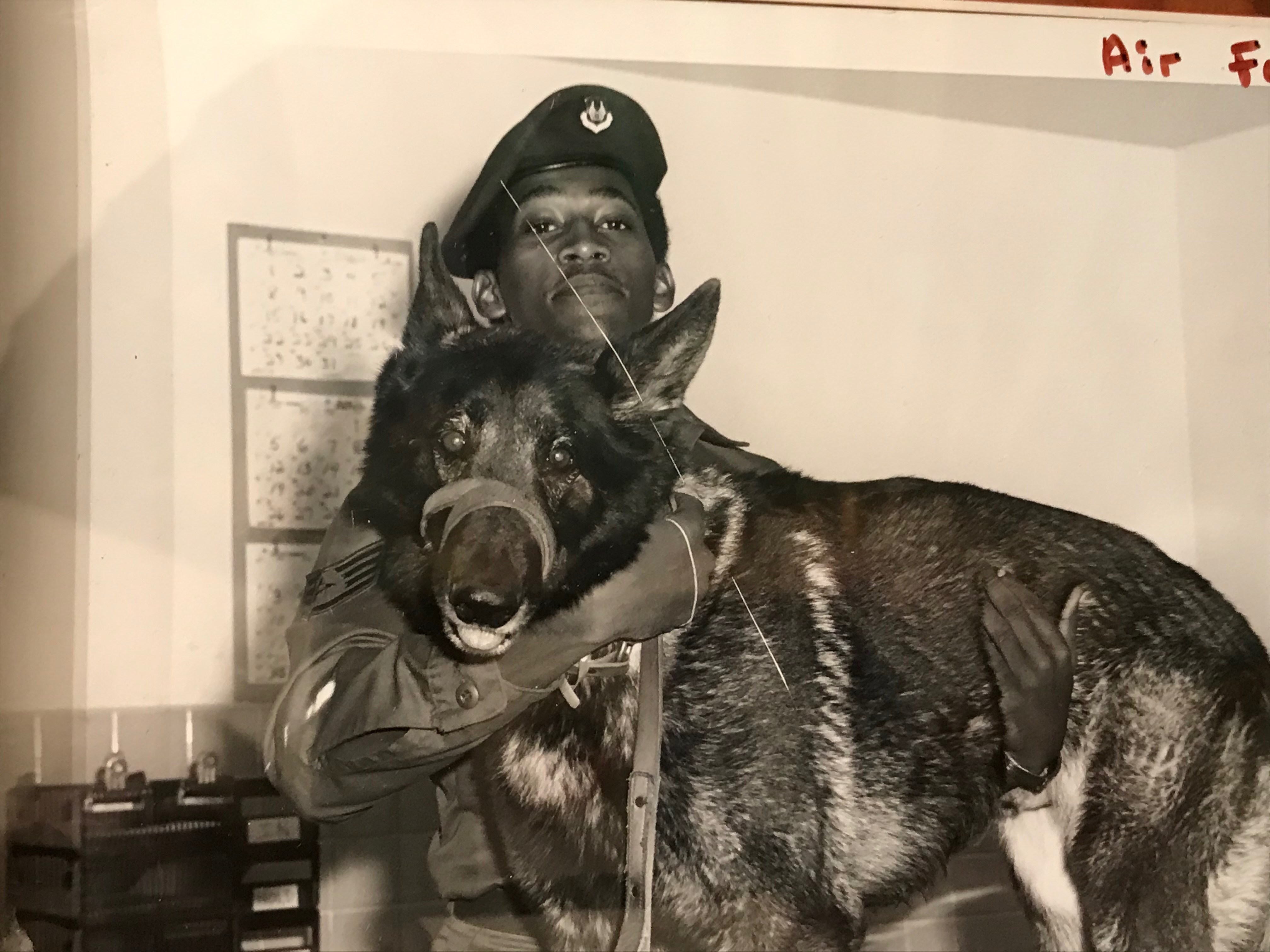
U.S. Air Force
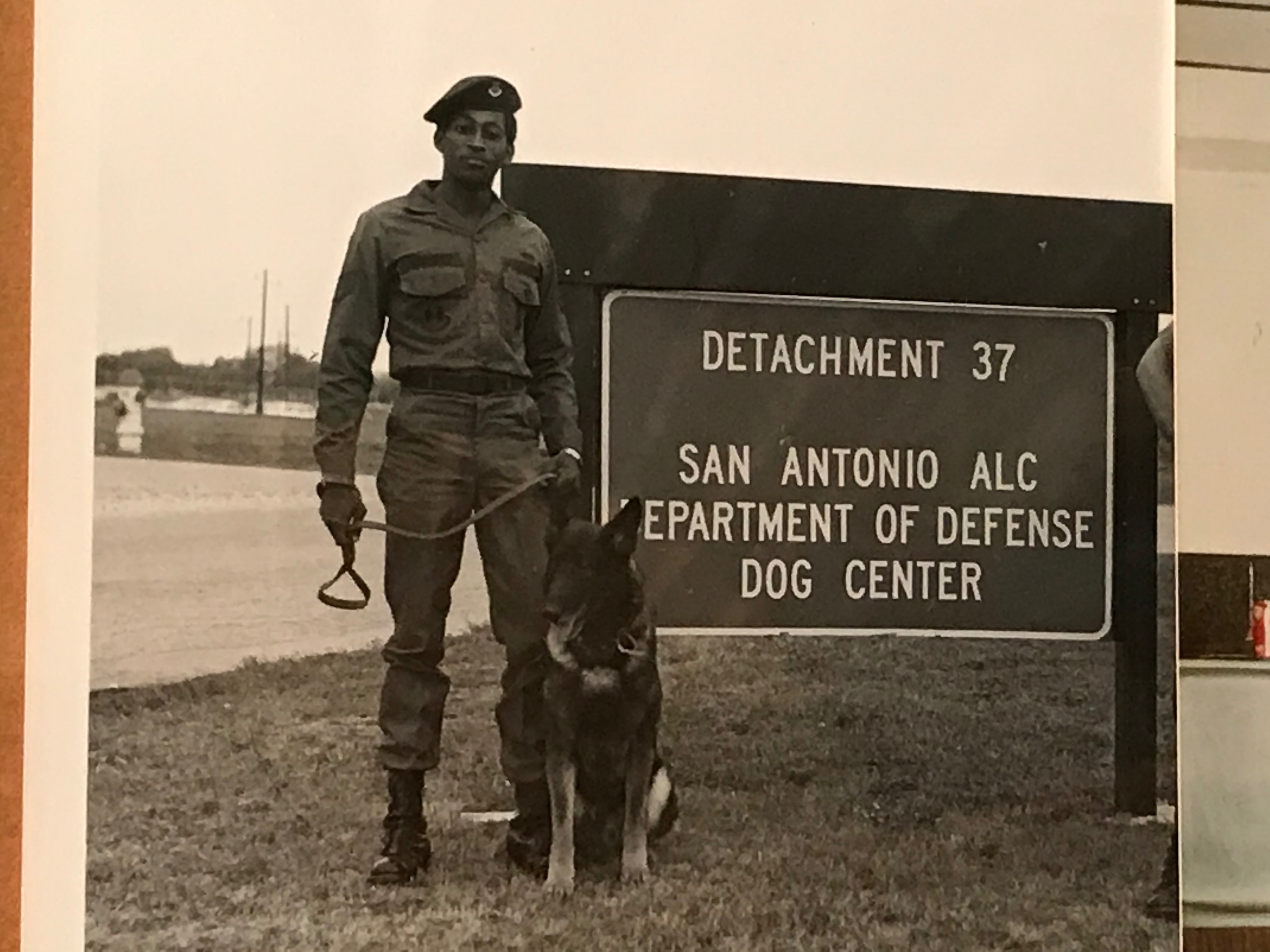
U.S. Air Force
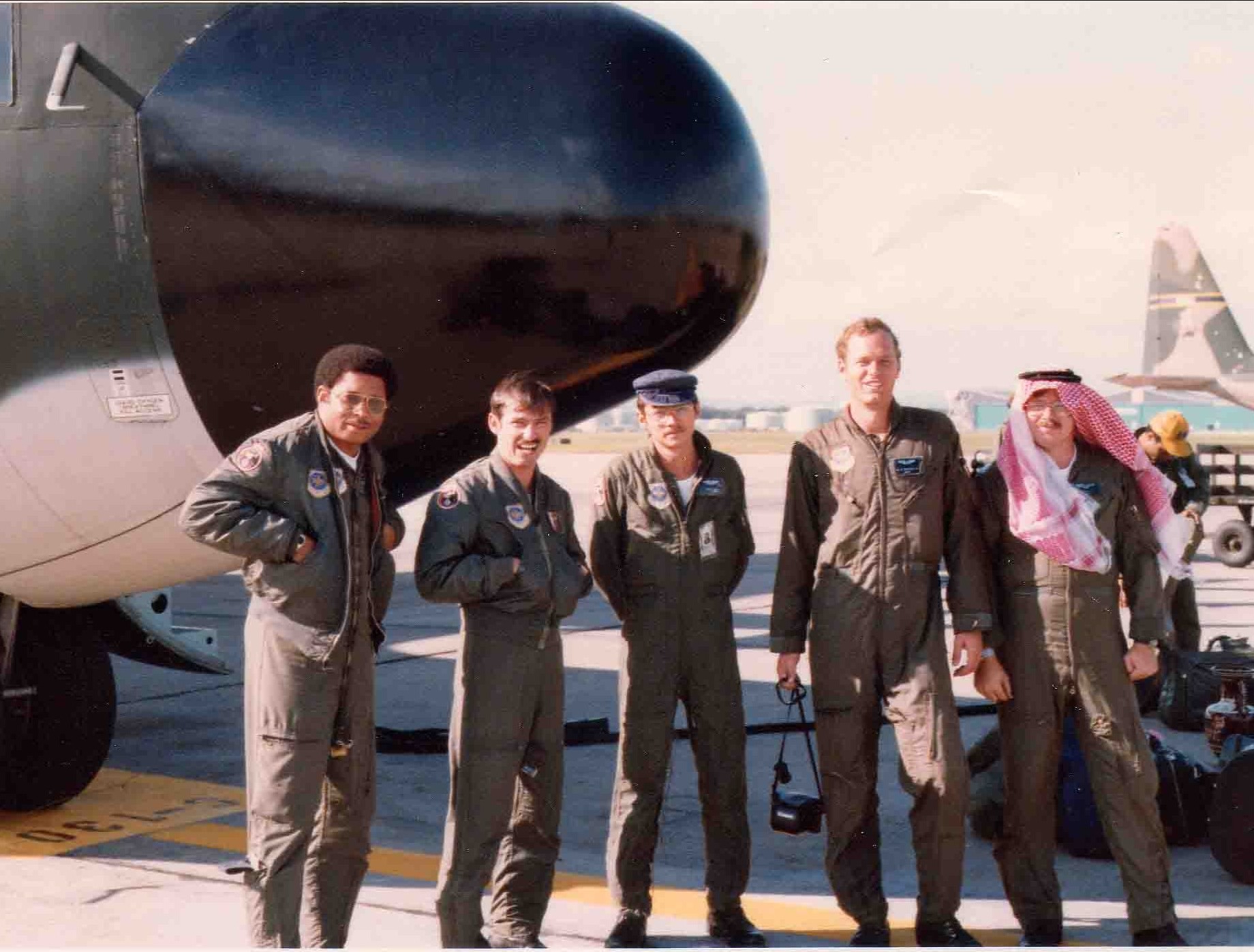
773 TAS • U.S. Air Force • 1979
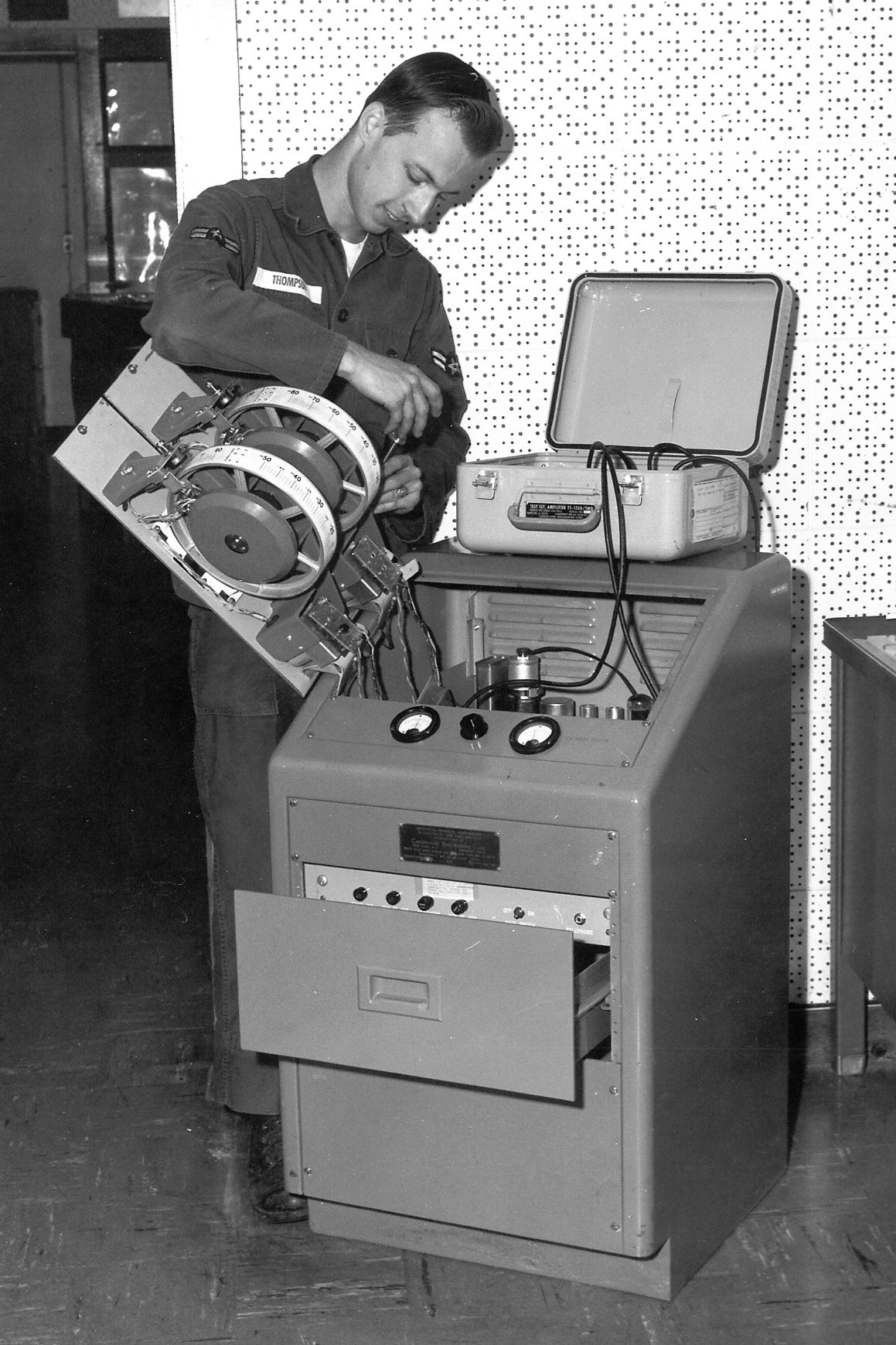
Air Weather Service • U.S. Air Force • 1962