
Opening branch overview
Building the branch home surface
Loading branch highlights, featured unit context, and gallery moments.
Overview
Members
Units
Building the branch home surface
Loading branch highlights, featured unit context, and gallery moments.
Building the branch units surface
Loading unit filters, rankings, and the branch unit grid.

10 members•1 unit
Relive and share the memories of your service-time with your brothers and sisters in arms today. VetFriends.com can help you reconnect.
Did you proudly serve in the 84 FIS CASTLE AFB?
Are you looking for someone who is or was in the 84 FIS CASTLE AFB?
Do you have 84 FIS CASTLE AFB photos you'd like to share?
Then join a community with your brothers and sisters of the 84 FIS CASTLE AFB.
Branch
U.S. Air Force
Members
10
The **84th Fighter-Interceptor Squadron (84 FIS)** was an active unit of the United States Air Force, stationed at Castle Air Force Base (AFB), California, during the height of the Cold War. Originally activated in World War II, the squadron was reactivated at Castle AFB in 1955 as part of the nation’s air defense network, tasked with intercepting potential Soviet bomber threats over the western United States. While at Castle, the 84 FIS operated aircraft such as the Northrop F-89 Scorpion and later the Convair F-106 Delta Dart, reflecting advances in interceptor technology. The unit remained at Castle AFB until its inactivation in 1968, contributing significantly to continental air defense during a critical period of American military history.

831st Services Squadron • U.S. Air Force • 2026
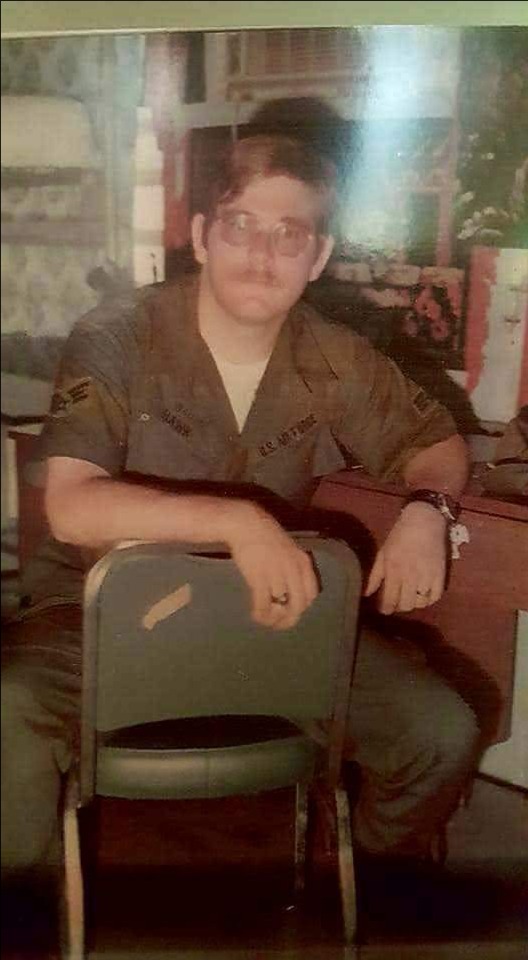
U.S. Air Force
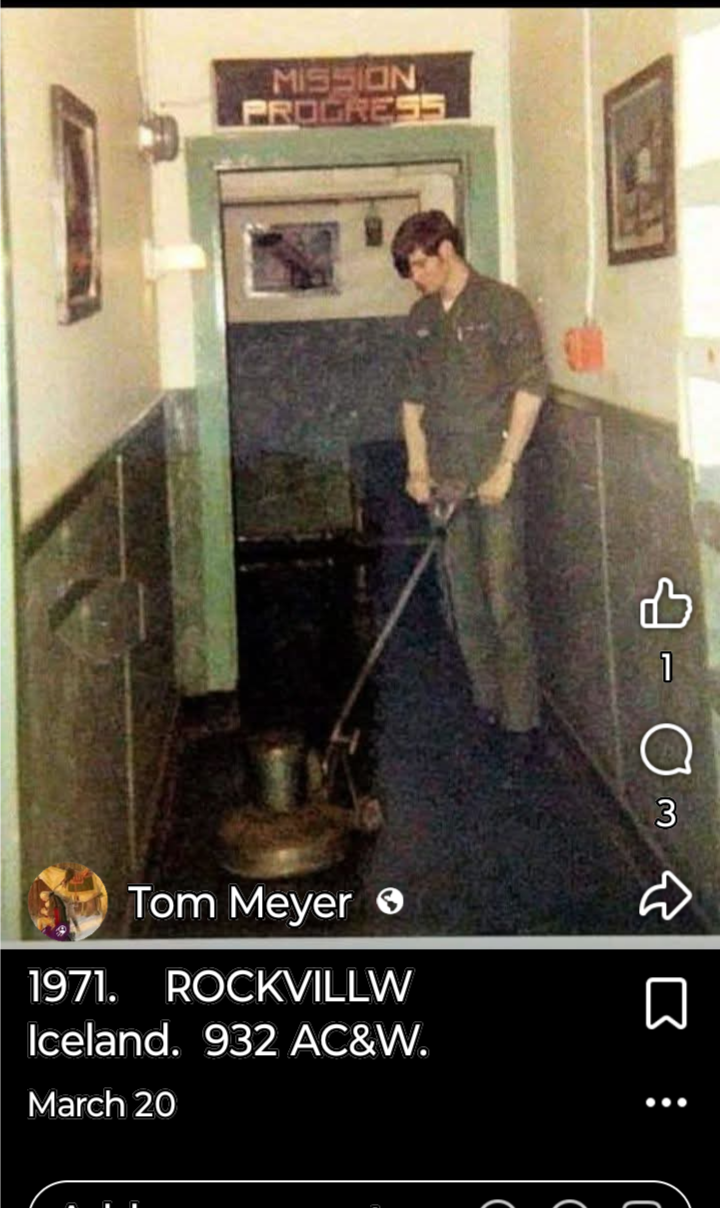
U.S. Air Force • 1971
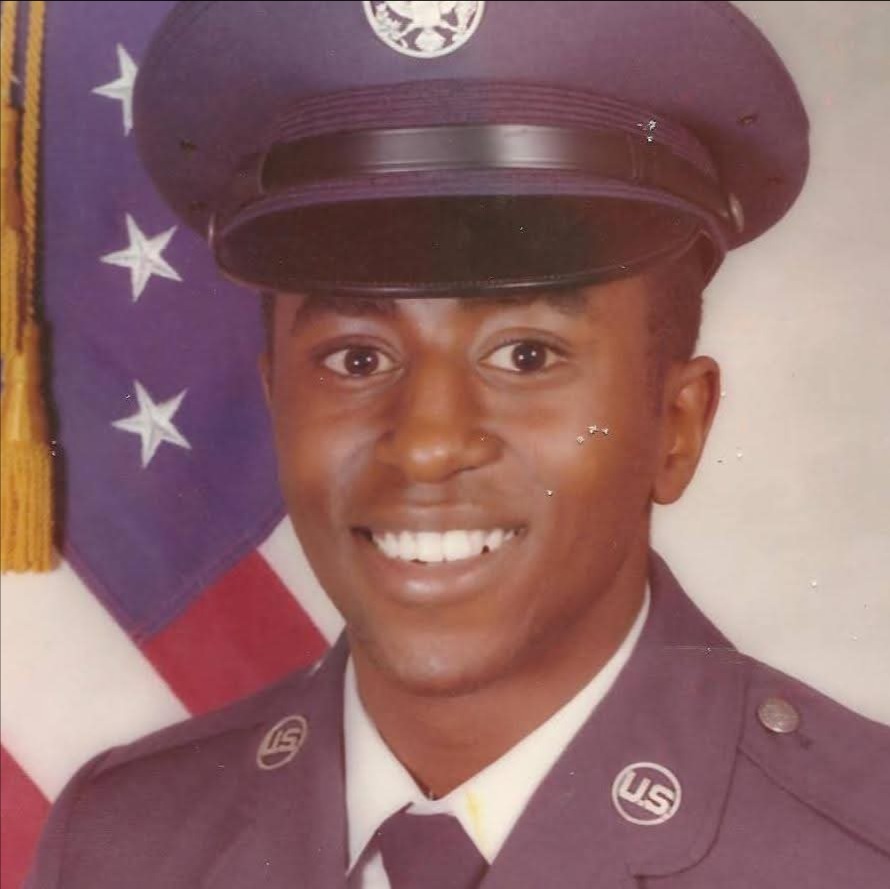
U.S. Air Force