
Opening branch overview
Building the branch home surface
Loading branch highlights, featured unit context, and gallery moments.
Overview
Members
Units
Building the branch home surface
Loading branch highlights, featured unit context, and gallery moments.
Building the branch units surface
Loading unit filters, rankings, and the branch unit grid.

1 members•1 unit
Relive and share the memories of your service-time with your brothers and sisters in arms today. VetFriends.com can help you reconnect.
Did you proudly serve in the 7th Aeromedical evacuation Squadron?
Are you looking for someone who is or was in the 7th Aeromedical evacuation Squadron?
Do you have 7th Aeromedical evacuation Squadron photos you'd like to share?
Then join a community with your brothers and sisters of the 7th Aeromedical evacuation Squadron.
Branch
U.S. Air Force
Members
1
The 7th Aeromedical Evacuation Squadron (7th AES) was a United States Air Force unit established to provide rapid aeromedical evacuation for wounded and ill military personnel. Activated in the early years of the Cold War, the squadron played a critical role in transporting patients from forward operating areas to higher-level medical facilities, often under challenging conditions. Based primarily in Europe, the 7th AES supported both peacetime and contingency operations, contributing significantly during crises and exercises throughout its service. The squadron was eventually inactivated as part of broader organizational restructuring, but its legacy endures in the development of modern aeromedical evacuation capabilities.
U.S. Air Force

U.S. Air Force
U.S. Air Force • 1972
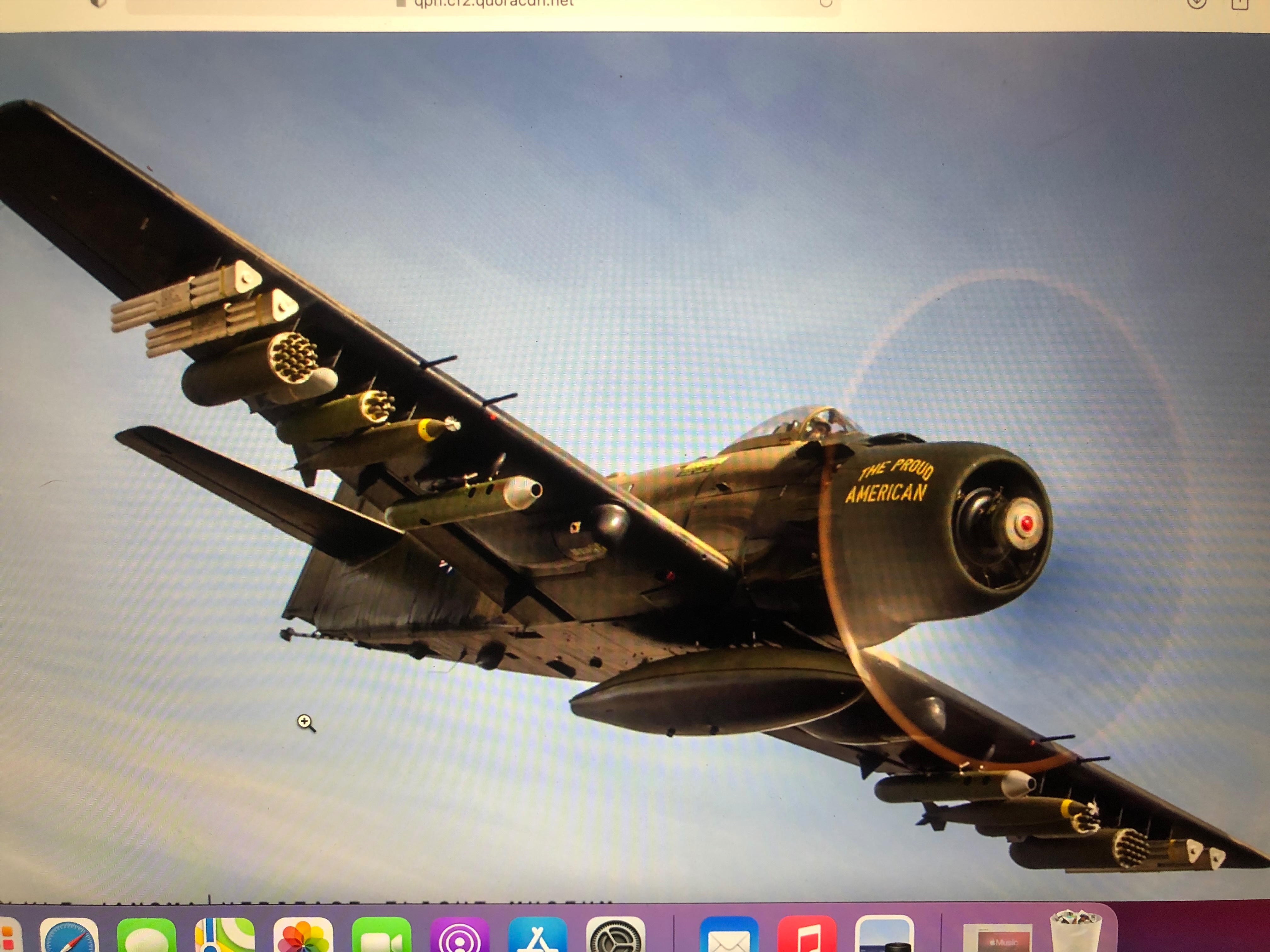
56th Fighter Wing • U.S. Air Force • 1970