
Opening branch overview
Building the branch home surface
Loading branch highlights, featured unit context, and gallery moments.
Overview
Members
Units
Building the branch home surface
Loading branch highlights, featured unit context, and gallery moments.
Building the branch units surface
Loading unit filters, rankings, and the branch unit grid.

3 members•1 unit
Relive and share the memories of your service-time with your brothers and sisters in arms today. VetFriends.com can help you reconnect.
Did you proudly serve in the 76th TAC Fighter Squadron?
Are you looking for someone who is or was in the 76th TAC Fighter Squadron?
Do you have 76th TAC Fighter Squadron photos you'd like to share?
Then join a community with your brothers and sisters of the 76th TAC Fighter Squadron.
Branch
U.S. Air Force
Members
3
The 76th Tactical Fighter Squadron (TFS) traces its origins to the famed "Flying Tigers" of World War II, originally activated as the 76th Pursuit Squadron in 1941. During WWII, the unit gained distinction in the China-Burma-India Theater, flying P-40 Warhawks against Japanese forces. Reactivated during the Cold War, the 76th TFS operated various aircraft, including the F-4 Phantom II and A-10 Thunderbolt II, participating in numerous NATO exercises and providing close air support capabilities. The squadron has been recognized for its combat effectiveness and continues to honor its storied legacy within the United States Air Force.
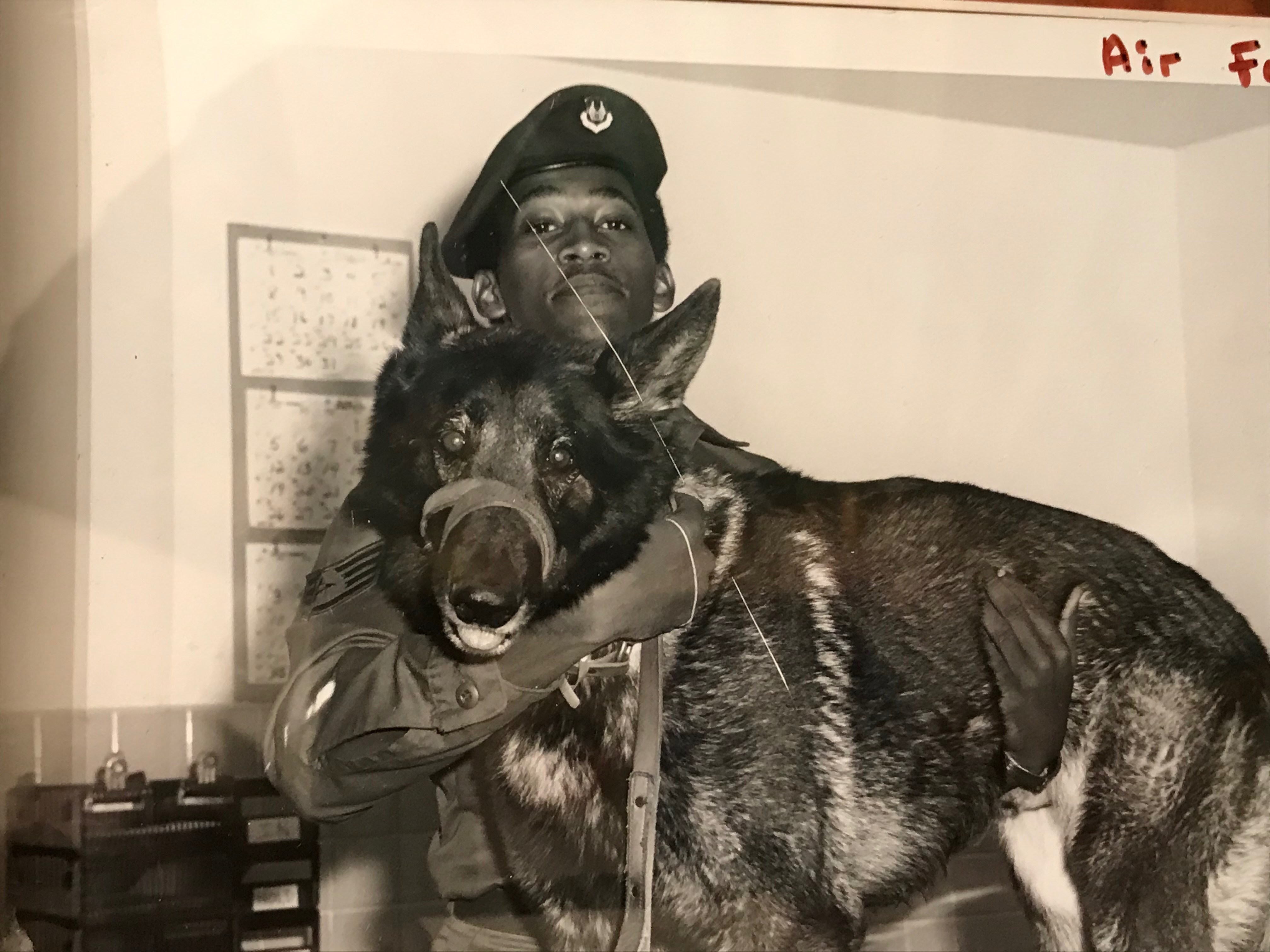
U.S. Air Force
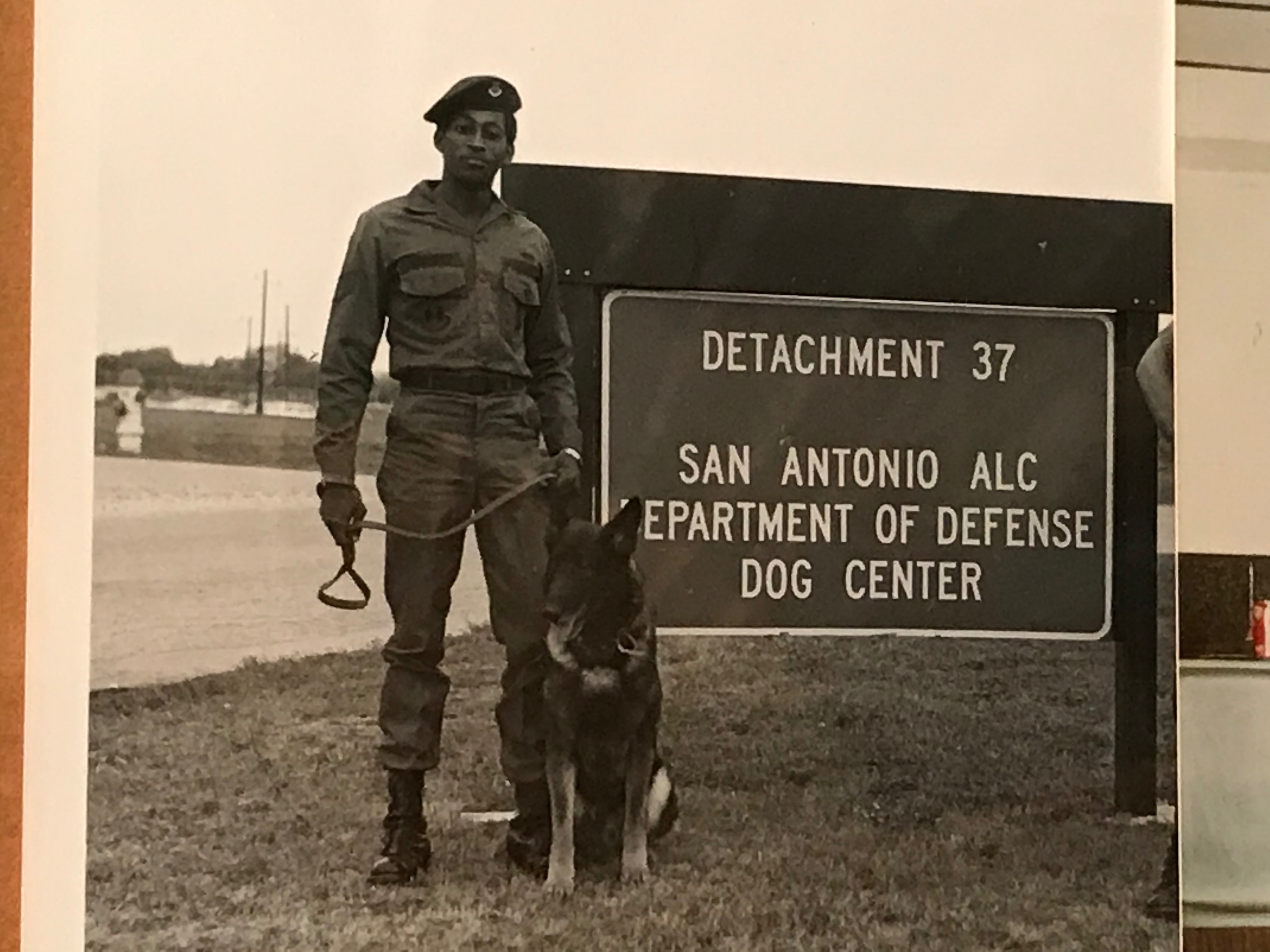
U.S. Air Force
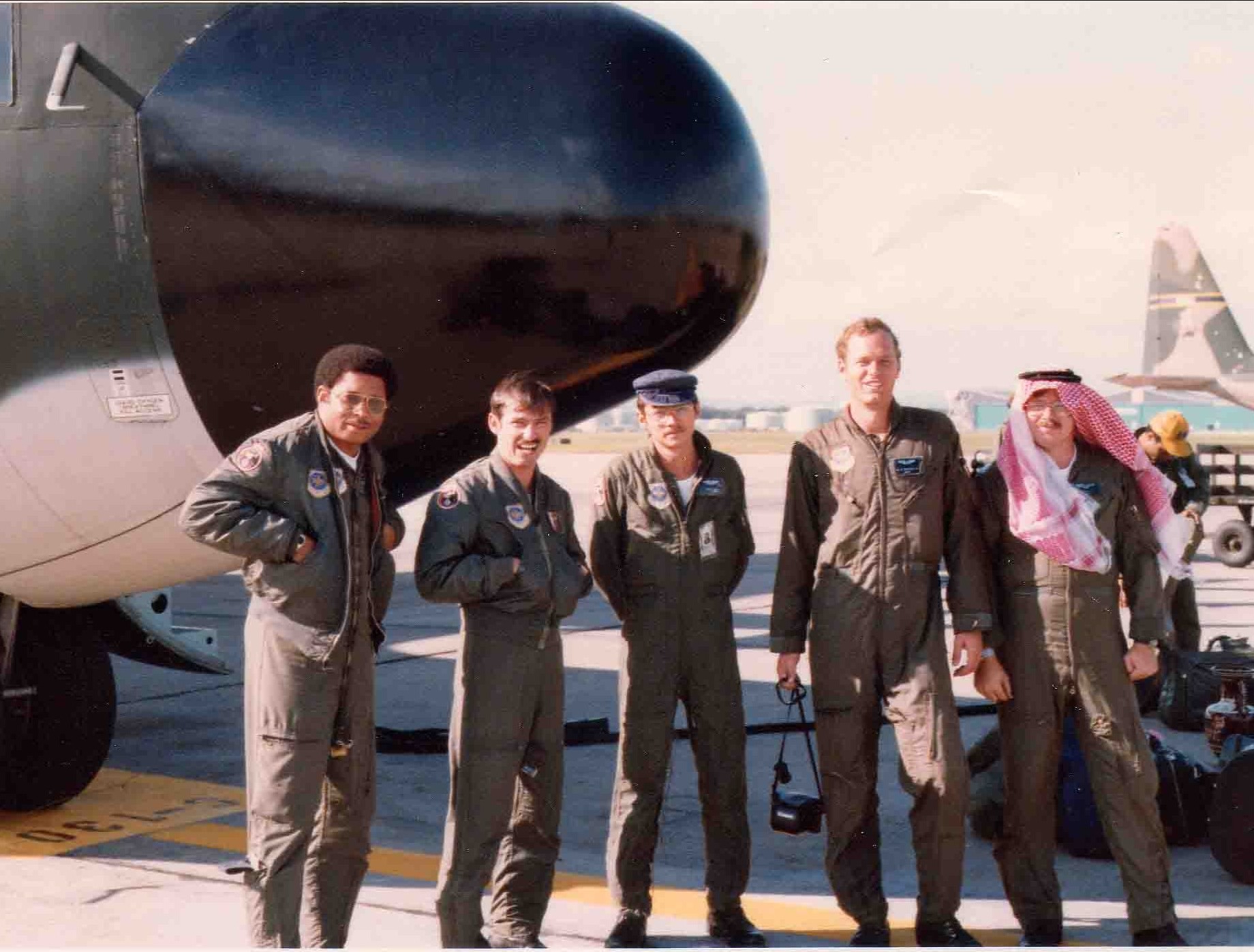
773 TAS • U.S. Air Force • 1979
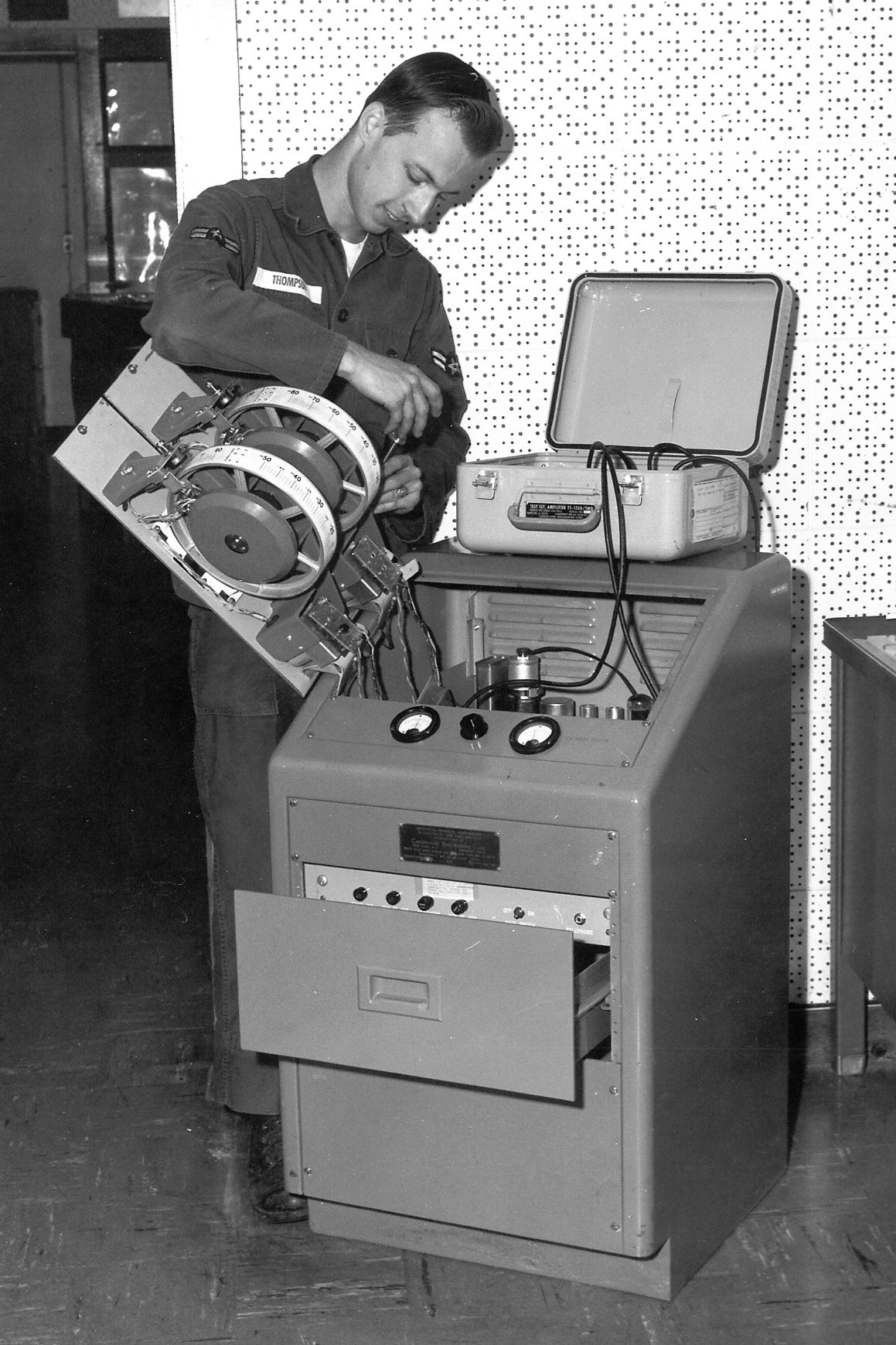
Air Weather Service • U.S. Air Force • 1962