
Opening branch overview
Building the branch home surface
Loading branch highlights, featured unit context, and gallery moments.
Overview
Members
Units
Building the branch home surface
Loading branch highlights, featured unit context, and gallery moments.
Building the branch units surface
Loading unit filters, rankings, and the branch unit grid.

4 members•1 unit
Relive and share the memories of your service-time with your brothers and sisters in arms today. VetFriends.com can help you reconnect.
Did you proudly serve in the 7101st Tactical Squad?
Are you looking for someone who is or was in the 7101st Tactical Squad?
Do you have 7101st Tactical Squad photos you'd like to share?
Then join a community with your brothers and sisters of the 7101st Tactical Squad.
Branch
U.S. Air Force
Members
4
The 7101st Tactical Squad was a specialized unit formed during the late stages of the Korean War, primarily composed of U.S. Air Force personnel. Activated in 1952, the squad focused on rapid-response tactical operations, including reconnaissance and close air support missions along the Korean Peninsula’s front lines. The unit distinguished itself by pioneering new night-time air strike techniques and integrating advanced communication systems to coordinate with allied ground forces. After the armistice in 1953, the 7101st Tactical Squad continued to serve in a training and advisory capacity before being deactivated in 1955 as part of post-war restructuring.
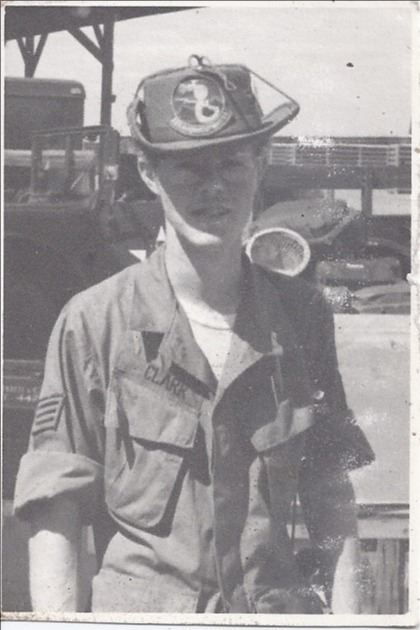
388 AMS • U.S. Air Force • 1972

831st Services Squadron • U.S. Air Force • 2026
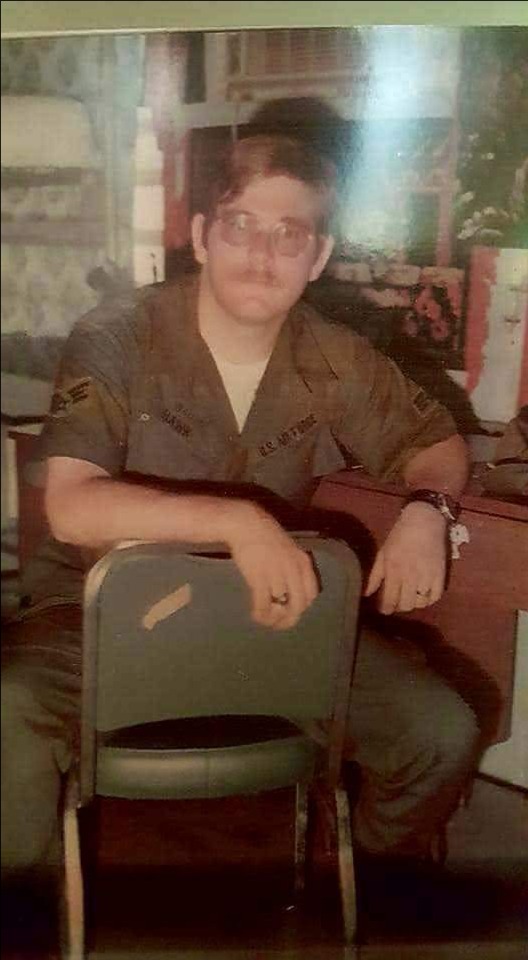
U.S. Air Force
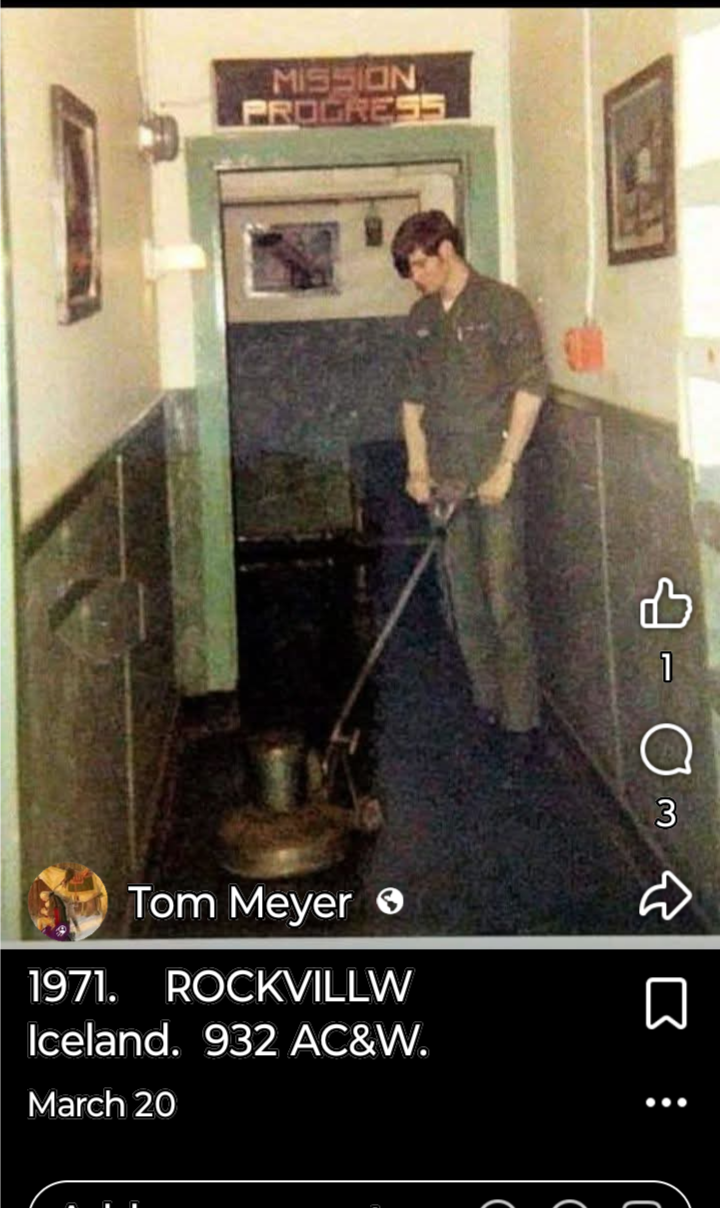
U.S. Air Force • 1971