
Opening branch overview
Building the branch home surface
Loading branch highlights, featured unit context, and gallery moments.
Overview
Members
Units
Building the branch home surface
Loading branch highlights, featured unit context, and gallery moments.
Building the branch units surface
Loading unit filters, rankings, and the branch unit grid.

U.S. Air Force•1 members
Relive and share the memories of your service-time with your brothers and sisters in arms today. VetFriends.com can help you reconnect.
Did you proudly serve in the 6thMASS?
Are you looking for someone who is or was in the 6thMASS?
Do you have 6thMASS photos you'd like to share?
Then join a community with your brothers and sisters of the 6thMASS.
The 6th Massachusetts Volunteer Infantry, commonly referred to as the 6th MASS, is renowned for its pivotal role in the early days of the American Civil War. Mustered into federal service in April 1861, the regiment gained national fame when its troops were attacked by a pro-secession mob while passing through Baltimore, Maryland, resulting in the first Union casualties of the war. Throughout its service, the 6th MASS participated in various operations, including the defense of Washington, D.C., and the occupation of key Southern territories. The unit's actions exemplified swift mobilization and dedication, marking it as one of the most notable early-war regiments in Union history.
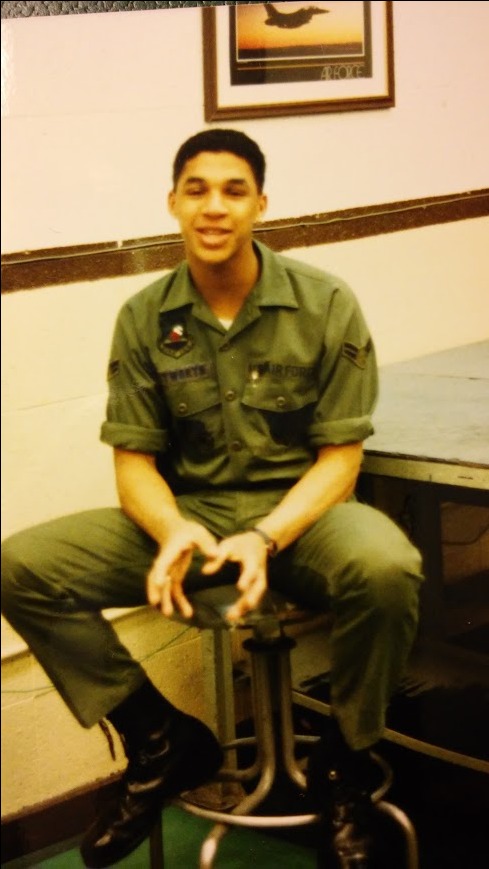
U.S. Air Force • 1987
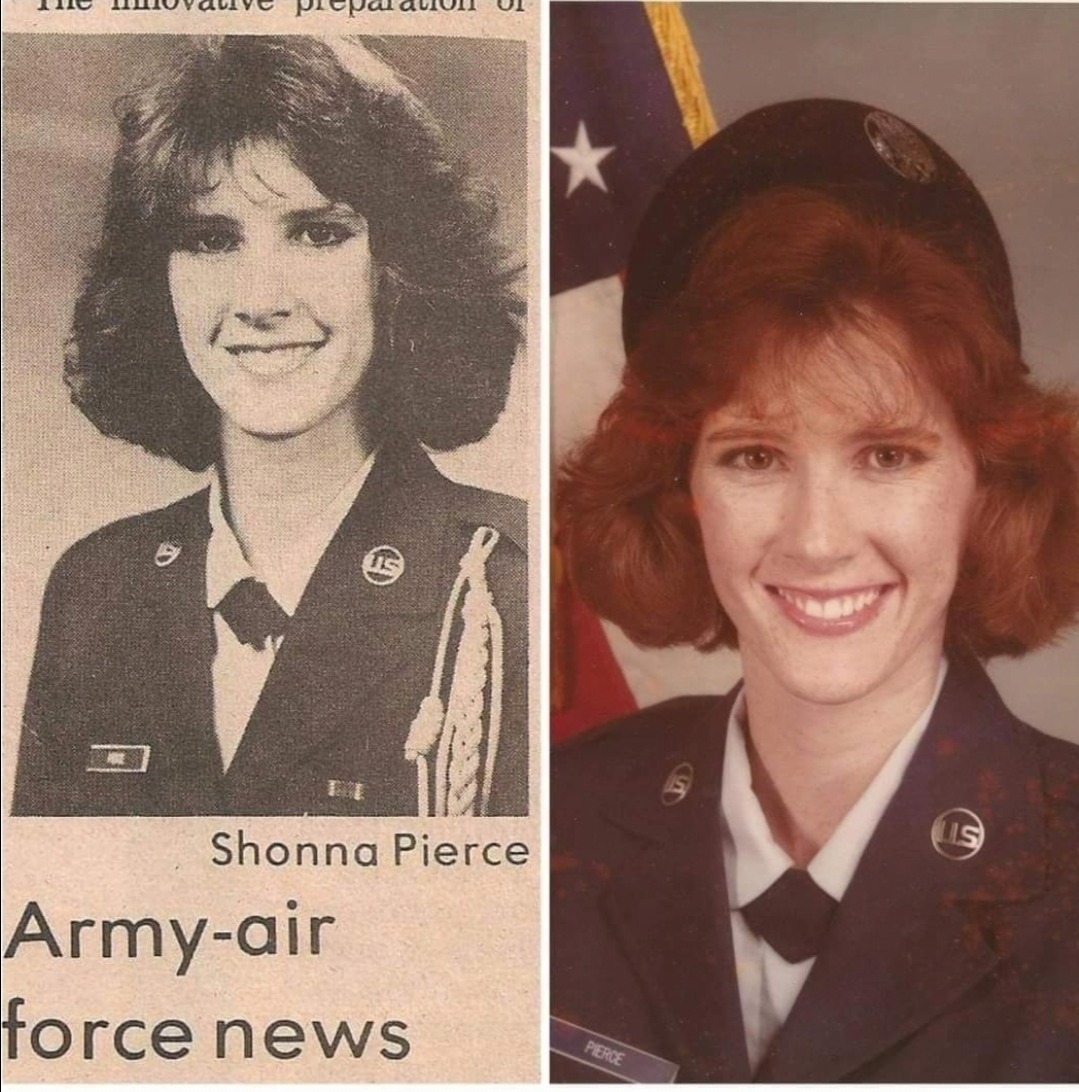
U.S. Air Force
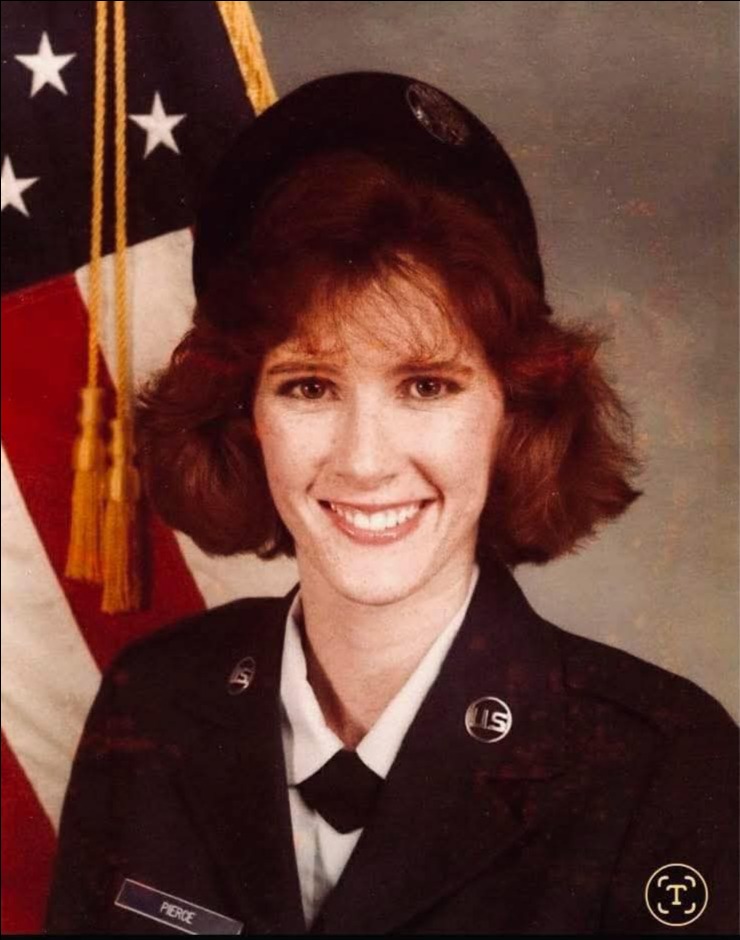
U.S. Air Force

U.S. Air Force • 2026