
Opening branch overview
Building the branch home surface
Loading branch highlights, featured unit context, and gallery moments.
Overview
Members
Units
Building the branch home surface
Loading branch highlights, featured unit context, and gallery moments.
Building the branch units surface
Loading unit filters, rankings, and the branch unit grid.

5 members•1 unit
Relive and share the memories of your service-time with your brothers and sisters in arms today. VetFriends.com can help you reconnect.
Did you proudly serve in the 6th Bomb Wing?
Are you looking for someone who is or was in the 6th Bomb Wing?
Do you have 6th Bomb Wing photos you'd like to share?
Then join a community with your brothers and sisters of the 6th Bomb Wing.
Branch
U.S. Air Force
Members
5
The 6th Bomb Wing, originally activated in 1951, is a distinguished unit of the United States Air Force. Initially stationed at Walker Air Force Base, New Mexico, the wing played a critical role in Strategic Air Command’s deterrence mission during the Cold War, operating B-29 and later B-52 bombers. Over the decades, the wing has undergone several redesignations and mission changes, including roles in air refueling and conventional bomber operations. Today, the 6th Bomb Wing’s legacy endures through its contributions to national defense and global strike capabilities.
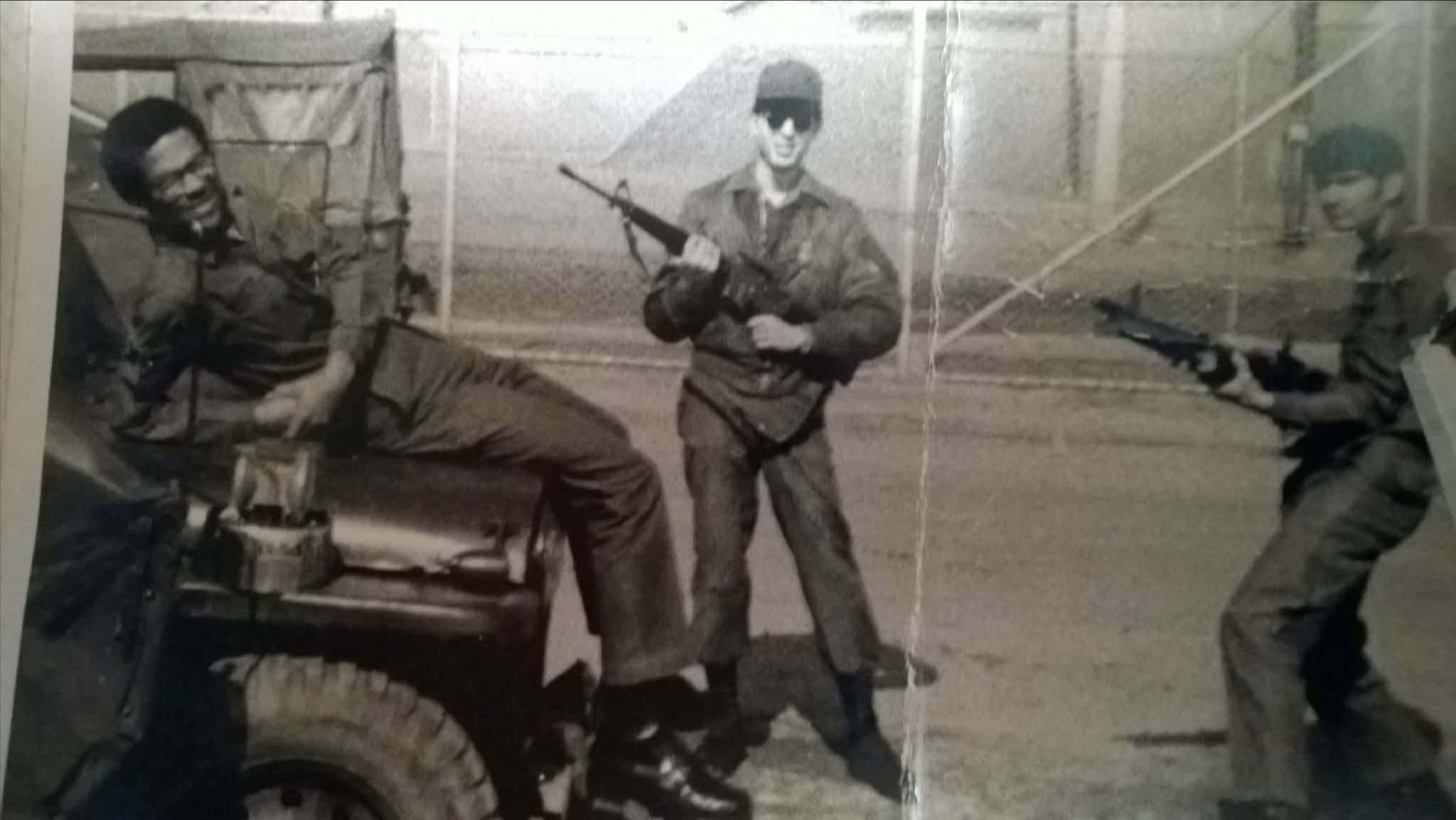
U.S. Air Force • 1972

U.S. Air Force
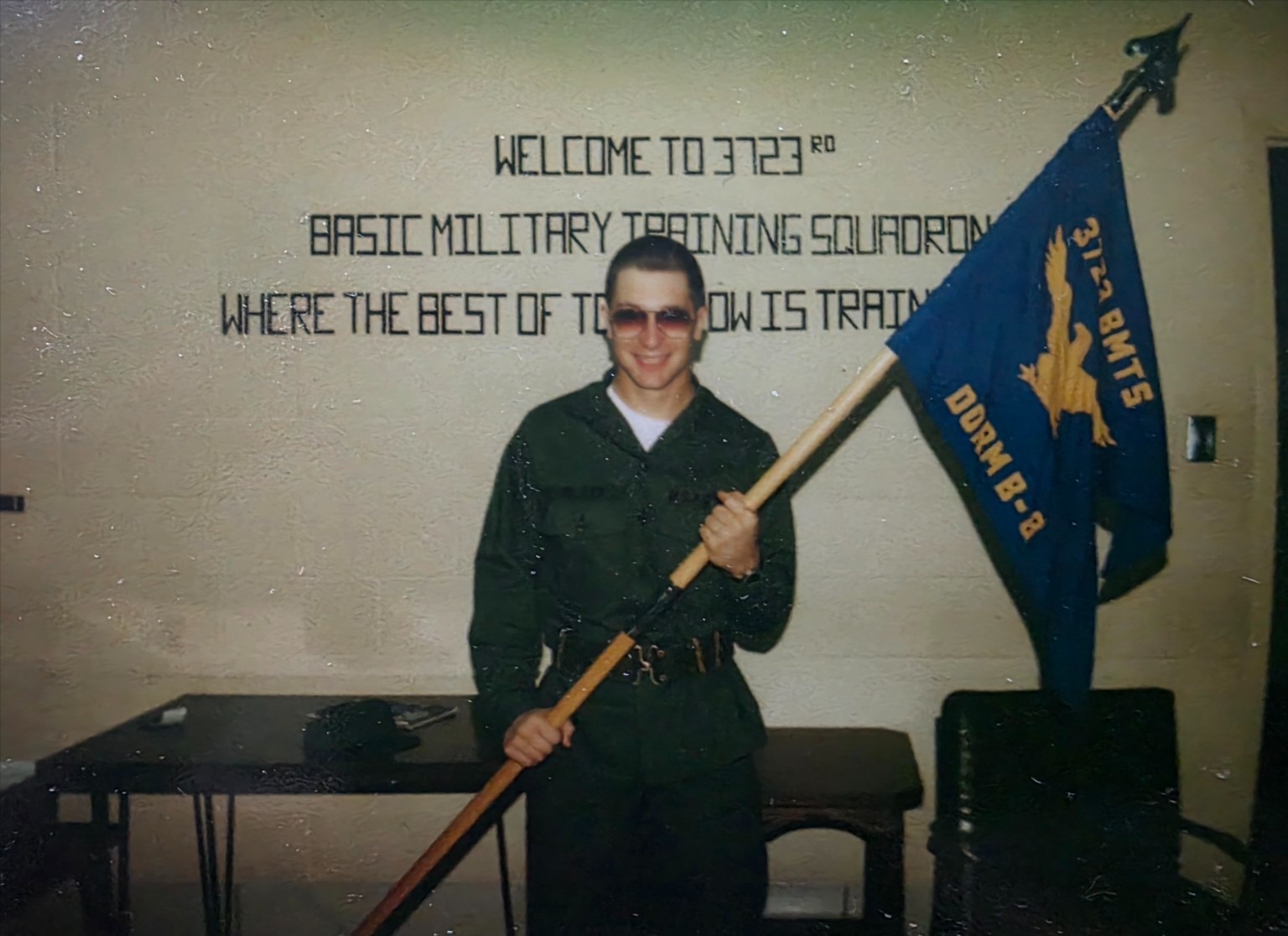
U.S. Air Force

HQ Air University • U.S. Air Force • 2024