
Opening branch overview
Building the branch home surface
Loading branch highlights, featured unit context, and gallery moments.
Overview
Members
Units
Building the branch home surface
Loading branch highlights, featured unit context, and gallery moments.
Building the branch units surface
Loading unit filters, rankings, and the branch unit grid.

1 members•1 unit
Relive and share the memories of your service-time with your brothers and sisters in arms today. VetFriends.com can help you reconnect.
Did you proudly serve in the 6968EIS?
Are you looking for someone who is or was in the 6968EIS?
Do you have 6968EIS photos you'd like to share?
Then join a community with your brothers and sisters of the 6968EIS.
Branch
U.S. Air Force
Members
1
The 6968th Electronic Instrumentation Squadron (6968EIS) was a United States Air Force unit primarily responsible for supporting test and evaluation missions through advanced instrumentation and telemetry services. Activated during the Cold War era, the squadron played a crucial role in gathering and analyzing data from weapons tests and missile launches, contributing to the development and refinement of U.S. aerospace technology. Stationed at various locations, including Eglin Air Force Base, Florida, the 6968EIS worked closely with other test and evaluation units, ensuring the reliability and effectiveness of critical defense systems. The unit’s technical expertise in electronic instrumentation was instrumental in advancing the Air Force’s research and development capabilities until its eventual inactivation.
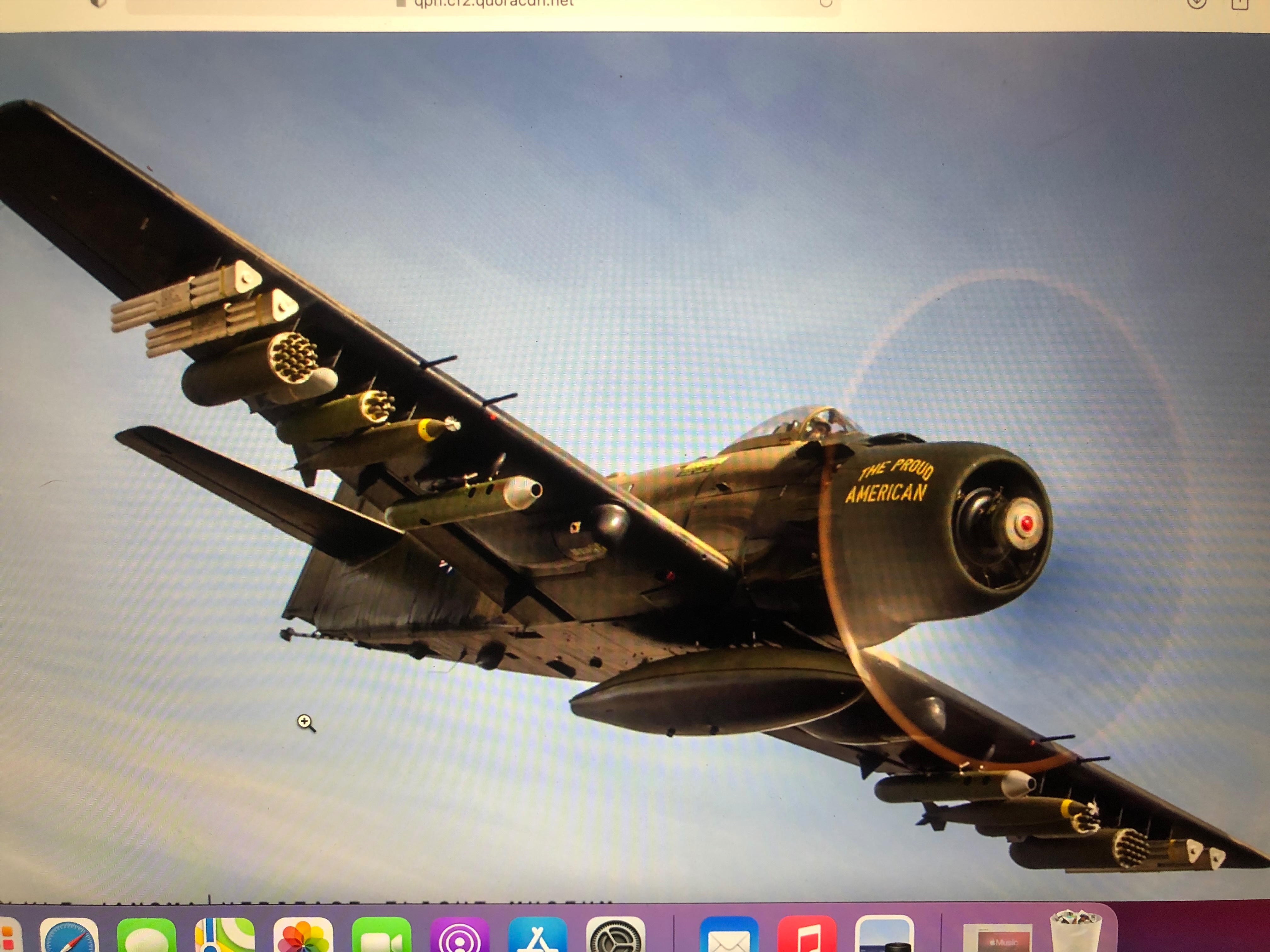
56th Fighter Wing • U.S. Air Force • 1970
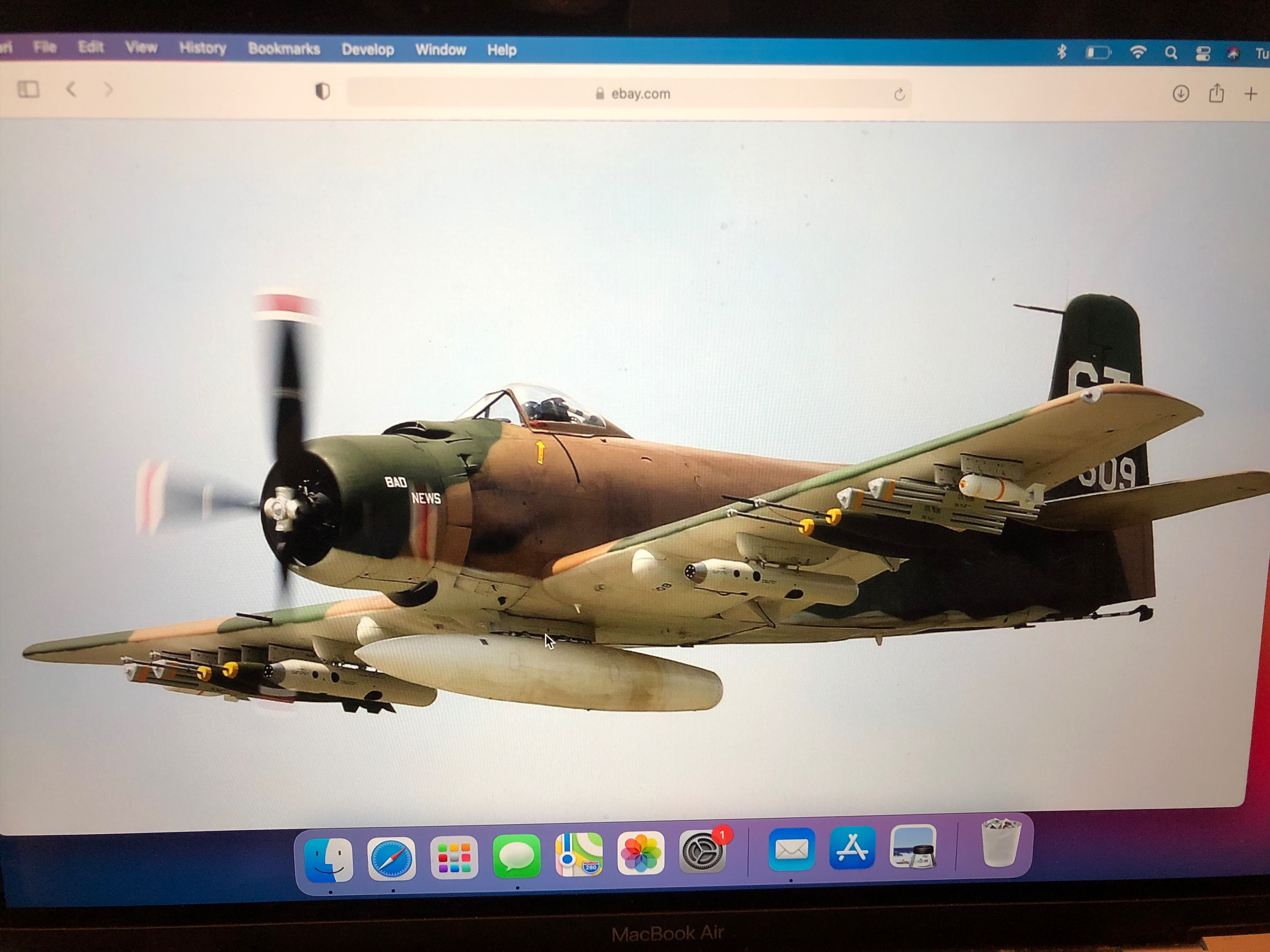
56th Fighter Wing • U.S. Air Force • 1970
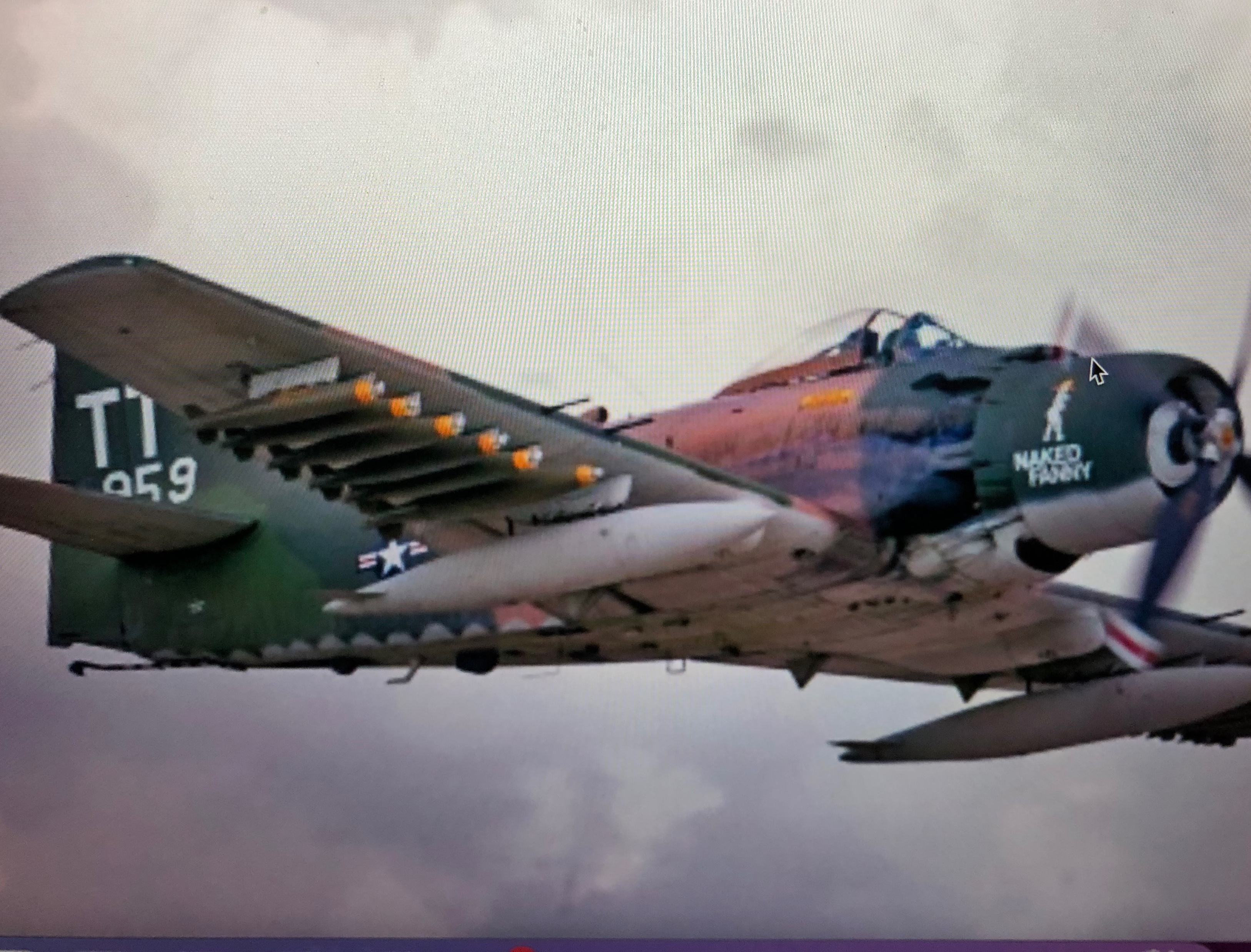
56th Fighter Wing • U.S. Air Force • 1970

U.S. Air Force • 2014