
Opening branch overview
Building the branch home surface
Loading branch highlights, featured unit context, and gallery moments.
Overview
Members
Units
Building the branch home surface
Loading branch highlights, featured unit context, and gallery moments.
Building the branch units surface
Loading unit filters, rankings, and the branch unit grid.

U.S. Air Force•22 members
Relive and share the memories of your service-time with your brothers and sisters in arms today. VetFriends.com can help you reconnect.
Did you proudly serve in the 6933rd Security Wing?
Are you looking for someone who is or was in the 6933rd Security Wing?
Do you have 6933rd Security Wing photos you'd like to share?
Then join a community with your brothers and sisters of the 6933rd Security Wing.
The **6933rd Security Wing** was a United States Air Force unit primarily engaged in signals intelligence (SIGINT) operations during the Cold War. Activated in the late 1970s, the unit was stationed at Karamürsel Air Station in Turkey, where it played a pivotal role in monitoring Soviet and regional communications. The 6933rd worked closely with the National Security Agency (NSA) and contributed significantly to US and NATO intelligence gathering efforts in the Eastern Mediterranean region. The wing was eventually inactivated as part of broader USAF restructuring and changes in intelligence priorities in the late 1970s and early 1980s.
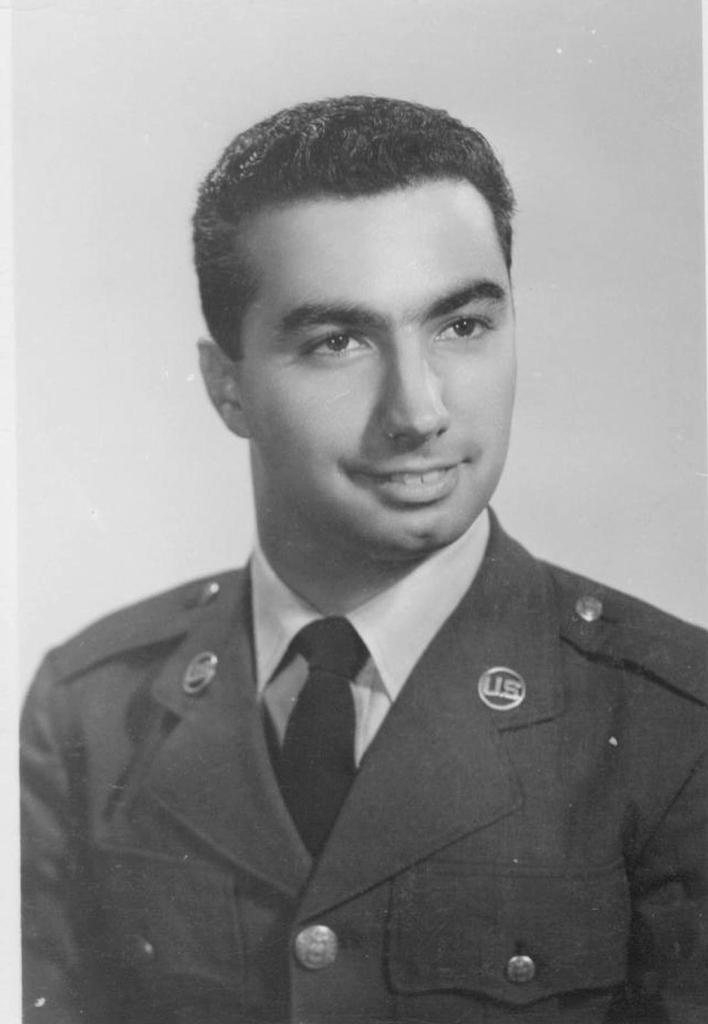
U.S. Air Force